31 Sewing Safety Rules That’ll Keep You in Stitches
There’s something about a sewing room that feels calm and creative — until you realize you’ve been sitting in the same position for four hours, your iron is still hot, and there are 10 pins somewhere on the floor… waiting.
So, sewing rooms can be low-key danger zones disguised as cozy craft caves. Because the floor? It’s sprinkled with pins that somehow escaped the pincushion. The iron? Still plugged in since breakfast. And those piles of fabric? They’ve been growing taller each week, just waiting for someone to open the wrong drawer and trigger an avalanche.
That’s why we need rules. Not boring ones with laminated signs — real, useful safety rules with a healthy dose of sarcasm and cat hair. Because sometimes the only thing standing between you and disaster is a well-placed warning… or your cat.
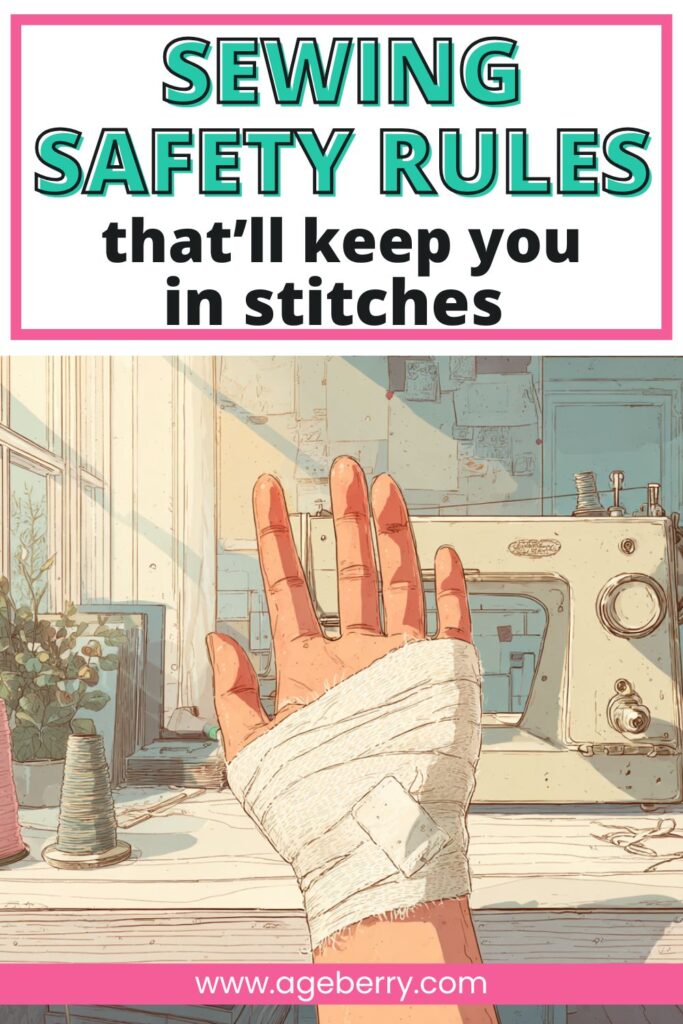
This isn’t about creating drama. It’s about staying upright, unburned, and only mildly tangled in thread.
So I’ve put together a few safety rules — the kind you won’t find in your machine’s manual. These are for real-life sewists. The ones who’ve tripped over a foot pedal, stitched through their nail (just once), or accidentally tried to iron a snack because they were thinking about seam allowances.
Let’s talk safety. Let’s talk sewing. And let’s do it in the only way I know how — with a lot of slightly unhinged laughter.
By the way — the rule numbers in this post? Completely random.
This isn’t a ranking system. Rule #1 isn’t the golden rule, and Rule #17 isn’t less important just because it showed up late. They’re all equally unpredictable, slightly chaotic, and based on real experiences… usually involving dropped scissors or emotional damage from bobbin tangles.
So here are 31 safety rules that’ll keep you stitching instead of… well, getting stitches.
Note: Some of the links on this page are affiliate links. This means I will receive a commission if you order a product through one of my links. I only recommend products I believe in and use myself.
1. Light It Up Like Your Life Depends On It
Because guess what? Your eyeballs DO depend on it! Get proper lighting in your sewing space. I’m talking “airport runway” bright, not “romantic dinner” dim.
You know you need better lighting when you’ve been sewing navy thread on black fabric or wondering why your machine sounds angry. That’s not your machine being moody – that’s you sewing your project to your machine cover.
Proper lighting isn’t a luxury in the sewing room – it’s basic survival. If your sewing setup is lit like a rainy Tuesday in November, your seams are in danger. You know things are dim when you’ve threaded your needle 5 times and still missed the eye.
You need bright, shadow-free, eye-saving light. Your seams will look better. Your unpicking will happen less. And you might finally stop sewing things to your sleeve.


✅ Related tutorial: Sewing room lighting ideas
2. Respect the Rotary Cutter
That thing looks innocent until you forget to close it. Then suddenly you’re holding the sewing version of a circular saw. Close the blade when you’re done! Every. Single. Time. If it can slice 6 layers of denim, it can slice your thumb.
You know what’s embarrassing? Explaining to the ER doctor that you injured yourself with a “fabric cutting device.”
✅ Related tutorial: How To Accurately Cut Fabric For Quilting With A Rotary Cutter
3. Iron While Conscious
Hot iron + sleepy sewist = disaster. If you’re tired enough to iron your finger instead of your seam, it’s bedtime. Put the iron away, step away from the pressing board, and go watch Netflix like a normal person. Your fabric will still be wrinkled tomorrow, but at least you won’t have fingerprint-shaped burns.

4. Keep the Iron Cord on a Leash
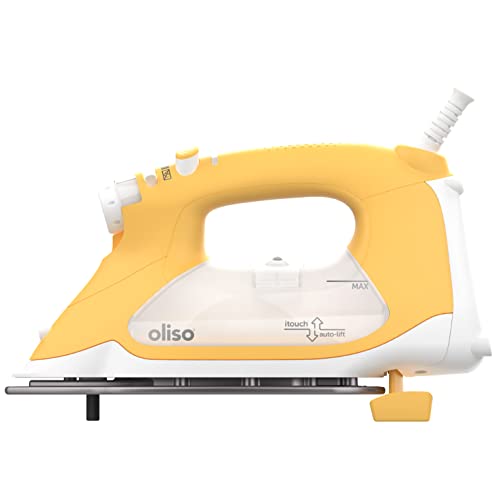
That cord has only one job – and it’s not sweeping your coffee off the table. Keep it away from your elbow, your chair, and any curious cats. And from the iron (isn’t that ironic), it doesn’t need ironing!
Hot irons don’t bounce. They also don’t apologize when they land face-down on your fabric.
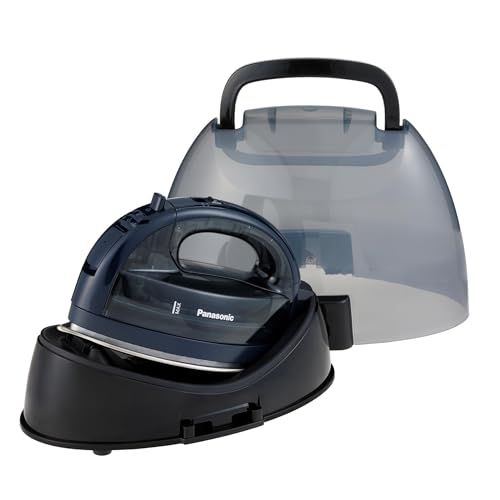
Or get a cordless iron like this Panasonic iron.
5. Tame the Tools Before They Turn on You (Yes, All 147 of Them)
Scissors, pins, needles, seam rippers, rotary cutters – we collect these sewing weapons like we’re preparing for a very crafty apocalypse! Get a magnetic pin holder, use pincushions, invest in proper storage. Because stepping on a needle? That’s not character-building. That’s just painful.


✅ Related tutorial: 17 Sewing Tools You’re Not Using (But Absolutely Should Be)
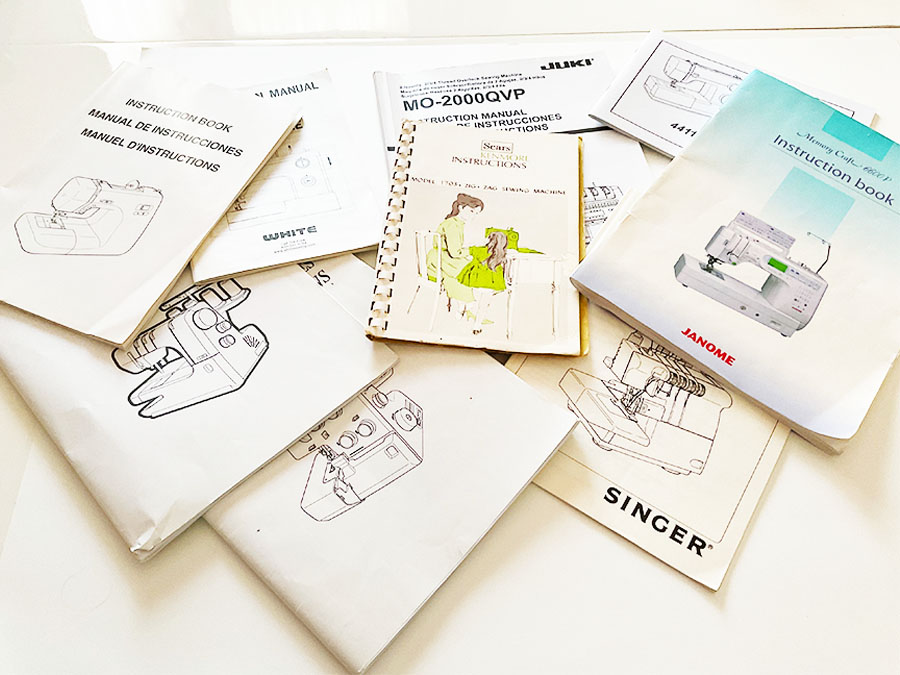
6. Read Your Machine Manual (I Know, Revolutionary!)
That mysterious booklet that came with your sewing machine? It’s not just there to prop up the wobbly corner of your table. Inside those pages lives actual wisdom – it’s actually your first line of defense against sewing-related injuries and machine meltdowns.
Knowing how to thread your machine properly or adjust the tension could save you from snapping needles, tangled threads, and the sudden urge to throw things. Plus, using your machine the wrong way can turn a routine project into a mini mechanical hazard. So read the manual. It’s the least dangerous thing in the room.
✅ Related tutorial: Sewing Machine Maintenance: Essential Tips for Optimal Performance
7. The Floor Is Not Storage
If your sewing room floor looks like a fabric store exploded, you’re creating a tripping hazard. I know, I know – that’s “organized chaos” and you “know where everything is.” But when you’re carrying hot coffee and trip over that bolt of flannel you’ve been meaning to put away since 2019, your organized chaos becomes actual chaos.
✅ Related tutorial: IKEA Sewing Room Ideas for small spaces
8. Ventilation Is Your Friend
Nobody talks about this, but sewing rooms can get stuffy. Fabric dust, spray adhesives, fabric glue fumes – it adds up. Sewing might seem harmless, but between fabric fuzz, spray starch, and that mystery smell coming from the fusible interfacing, your lungs are doing more work than you think. A stuffy sewing room isn’t just uncomfortable — it’s how accidental sleeve sandwiches happen.
Open a window, get a fan, do something! You’re sewing a blouse, not testing your limits in a glue-scented escape room.


9. Take Breaks
Sewing posture is like typing posture’s awkward cousin. We hunch, we crane our necks, we contort into positions that would make a chiropractor weep. Set a timer, stand up, stretch. Do some questionable dancing to your favorite song. Your spine shouldn’t feel like a question mark by the end of the day.
✅Related tutorial: How To Stay Fit At Home {Simple Exercises To Stay In Shape For Sewers}
10. Keep a First Aid Kit Handy
Because let’s be honest – we’re going to have accidents. A box of bandages and some antiseptic cream should be as essential as your fabric scissors. And no, that ancient box of Hello Kitty band-aids from 2003 doesn’t count. Get the good stuff. You’re worth more than cartoon cat adhesive.


11. Know When to Stop
Sometimes projects fight back. When you’ve ripped the same seam three times, sewn something backwards twice, and your machine is making sounds like an angry robot, it’s time to walk away. The fabric will still be there tomorrow, but your sanity might not be if you keep pushing through.
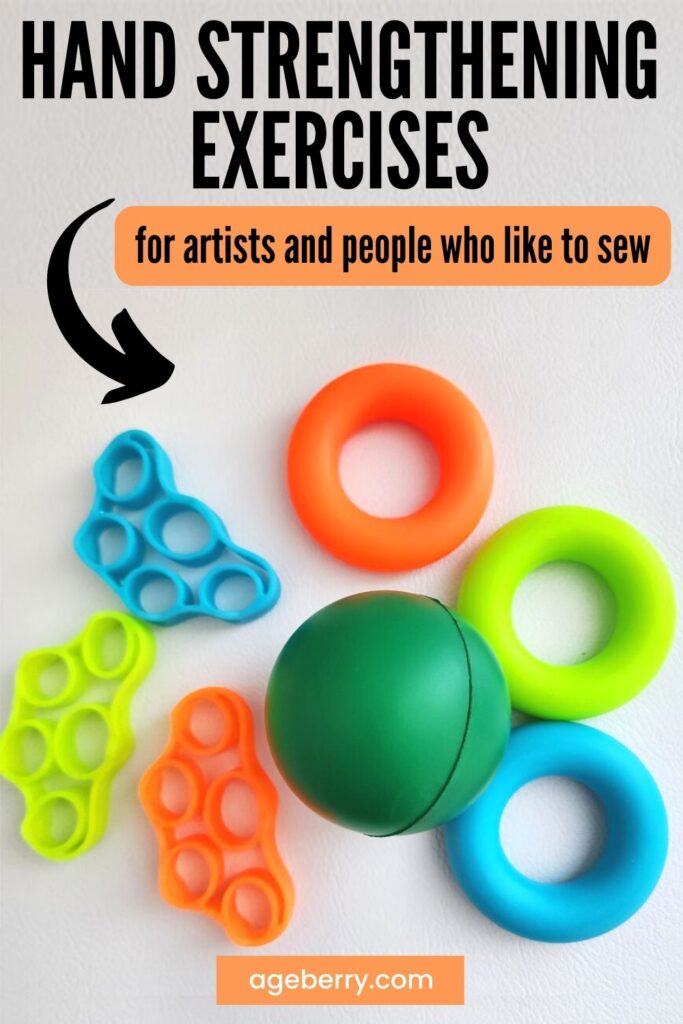
✅ Related tutorial: Hand strengthening exercises for artists and people who like to sew


12. Welcome to my sewing room – a cat will be with you shortly
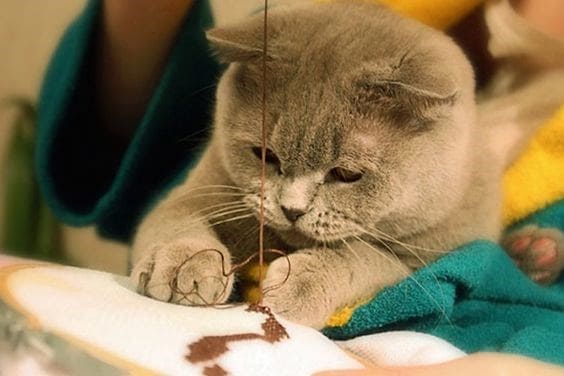
And by “shortly,” I mean the exact moment you sit down at your machine! Bobbin has a sixth sense for when you’re about to start something important. Cutting delicate silk? HERE’S MY BUTT IN YOUR FACE! Threading a needle? TIME FOR AGGRESSIVE HEAD BUMPS!
And by “with you,” I mean on your fabric, under your presser foot, and inside your thread drawer. I don’t care how perfectly Fluffy is lying across your fabric. I don’t care that she’s exactly the right weight to hold down that slippery silk. She’s a CAT, not sewing equipment!
Plus, try explaining to your vet why Mr. Whiskers has cuts in his fur arranged in a suspiciously straight line. “Well doc, he wouldn’t get off my cutting mat and I really needed to finish that seam…”
Safety tip: check for tails before stepping, stitching, or sitting. Especially sitting.
13. The Thimble Is Not Optional – It’s Finger Insurance
I know, it’s not cute. It feels awkward. And yes, it looks like something you’d find in your great-aunt’s button tin. But skipping the thimble is all fun and games until you stab yourself mid-whipstitch and suddenly you’re part of a forensic sewing drama.
Thimbles may not be glamorous, but neither is bleeding on your project. So slide it on. Pretend you’re powerful, not poked. Protect those fingertips. You need them to finish your quilt. And perhaps for other things, even if I can’t imagine what they are.


✅ Related tutorial: How to Use a Thimble: The Ultimate Guide
14. Steam Is Not Your Spa Treatment
That burst of steam from your iron? It’s 200+ degrees of “NOPE!” Don’t lean over it like you’re getting a facial at some fancy resort. This isn’t aromatherapy – this is potential second-degree burns with a side of regret. Keep your face away from the steam, unless you’re going for that “lobster chic” look for the holidays.
✅ Related tutorial: Sundu Pro Steam Station with Ceramic Soleplate Review: Iron-y Good?


15. Your Seam Ripper Is Not a Multi-Tool
It rips seams. That’s it! It’s not a screwdriver, it’s not a letter opener, and it’s definitely not something to clean under your nails with. I once watched someone try to open a Amazon package with their seam ripper. THE HORROR! That’s like using your grandmother’s china as frisbees!

✅ Related tutorial: Why Does Your Seam Ripper Have a Red Ball? Discover Its Purpose!
16. Fabric Scissors Don’t Cut Everything (But They’ll Try)
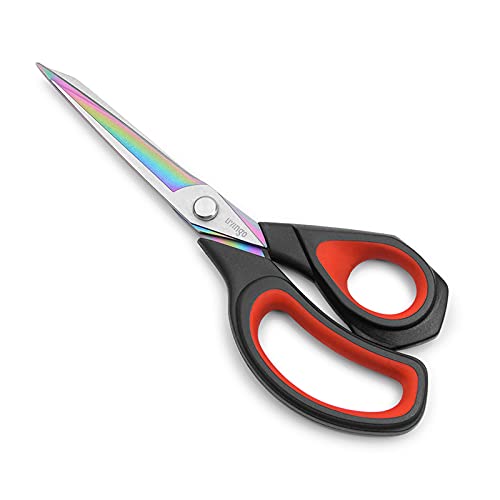
We all have that ONE pair of fabric scissors that we guard like Gollum guards his precious ring. Fabric scissors are fabric scissors. Not for paper. Not for zip ties. Definitely not for opening snack bags. If your family can’t remember, label them “FABRIC ONLY” in letters so big they can be seen from space!
Believe me, with a little effort, your significant other can be trained to remember this. It only took me about 10 years.

17. Pin Cushions Are Not Stress Balls
Stop stabbing your pin cushion like it owes you money! I know that difficult pattern has you feeling stabby, but your poor little pin cushion didn’t write those confusing instructions. It’s just trying to hold your pins, not absorb your rage. Save the aggressive stabbing for when you’re pinning through four layers of denim – THEN it’s personal.
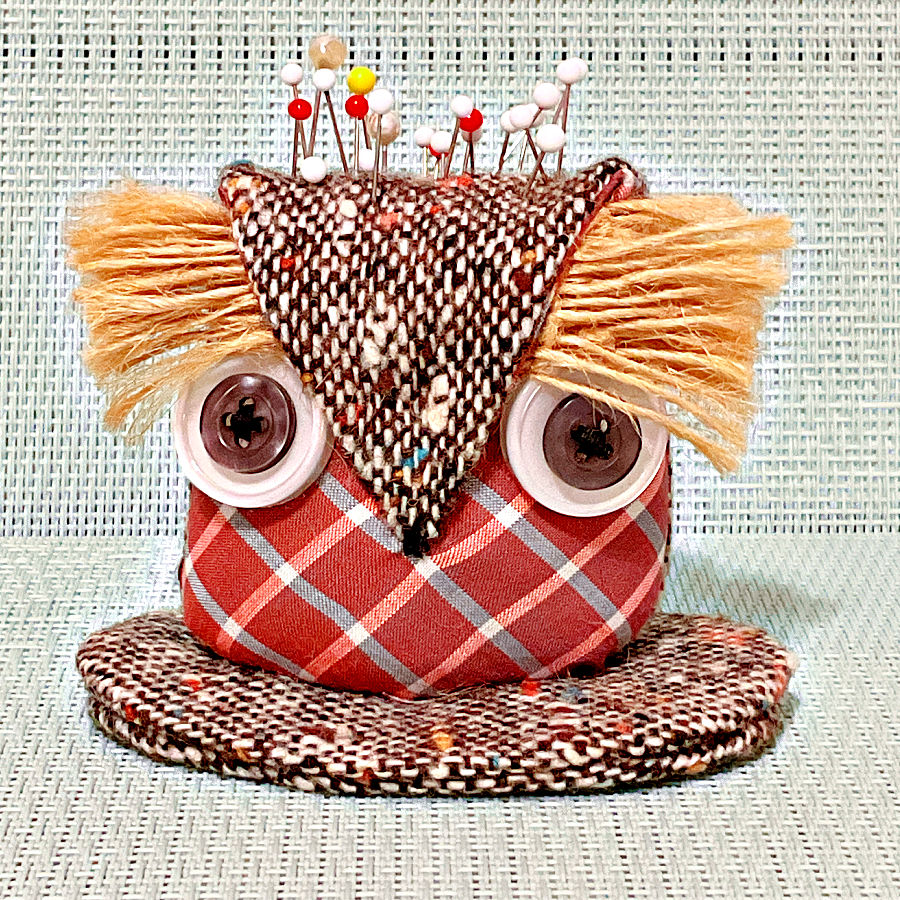
✅ Related tutorial: Cute owl pincushion: sewing tutorial plus free pattern
18. Extension Cords Are Not Sewing Room Decor
Your sewing room shouldn’t look like an octopus made of electrical cords had a fight with a power strip! All those cords stretched across the floor aren’t “rustic industrial chic” – they’re a lawsuit waiting to happen.
Get proper outlets installed, or at least route properly those cords and get some cord covers. Because face-planting into your fabric stash isn’t the kind of diving into your hobby we’re going for.


19. Hot Glue Guns Are Not Friendship Bracelets
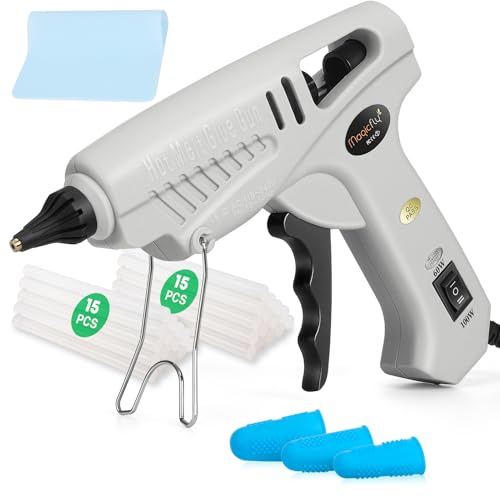
That string of hardened hot glue connecting your finger to your project? That’s not mixed-media art – that’s you being impatient! Hot glue guns are like tiny dragons that spit molten plastic. Respect the dragon! And don’t try to peel off hot glue while it’s still hot. That’s not bravery, that’s stupidity with a craft store receipt.
Don’t ask me how I know this. Please.

20. Measuring Twice, Cutting Once (Not Measuring Never, Crying Always)
We’ve all been there.
“Eh, that looks about right.”
NARRATOR VOICE: “It was not about right.”
Measure your fabric! Use a ruler! Don’t just hold up the piece and squint at it like you’re some kind of fabric psychic. You’re not. You’re just someone who’s about to cut their XL into a crop top for a toddler.


21. Your Sewing Machine Is Not a Race Car
Just because your machine CAN sew at warp speed doesn’t mean it SHOULD! Slow down, Speed Racer! This isn’t a NASCAR pit stop — it’s a delicate operation involving sharp needles and emotional investment. Treat it like surgery, not street racing.


22. Approach “Easy” Patterns with Protective Gear and Low Expectations
When a pattern says “easy,” proceed with caution. That word has injured more sewists than hot irons and dull rotary blades combined. “Easy” often means 14 steps crammed into two diagrams and a fabric meltdown waiting to happen. This is how pins go flying, tempers flare, and innocent seam rippers end up embedded in drywall. For your safety (and everyone else’s), treat “easy” like a suspicious label – it means you’ll only cry twice and throw your seam ripper at the wall once. Maybe twice if it’s a Friday.
✅ Related tutorial: A Guide to Choosing the Right Sewing Pattern for Your Body
23. Warning: Objects in Fabric Stash Are Larger Than They Appear
You thought you bought “a little bit.” Just a yard here, a fat quarter there. But now your closet door won’t close and your cutting table has disappeared under what can only be described as a soft, colorful landslide. Fabric defies the laws of physics. It expands. It stacks itself. It welcomes more fabric without your permission. For safety’s sake, proceed with caution when opening drawers — the stash might be waiting to attack. And honestly? It’s got the yardage to do it.
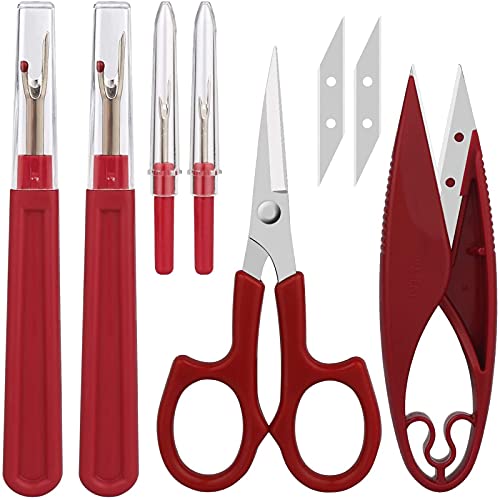
22. Alert: Seam Ripper Has Gone Rogue – Approach with Extreme Caution
Don’t let its size fool you. That tiny tool? It holds more destructive potential than your worst rotary cutter accident. One wrong rip – and your carefully stitched seam is gone… along with your patience, your progress, and your will to keep going. It doesn’t just remove stitches — it unravels confidence. Use it wisely. Whisper kind words to it. And for the love of thread, don’t leave it within arm’s reach when you’re frustrated.

✅ Related tutorial: Master the Seam Ripper: Your Ultimate Guide to Precision Stitch Removal
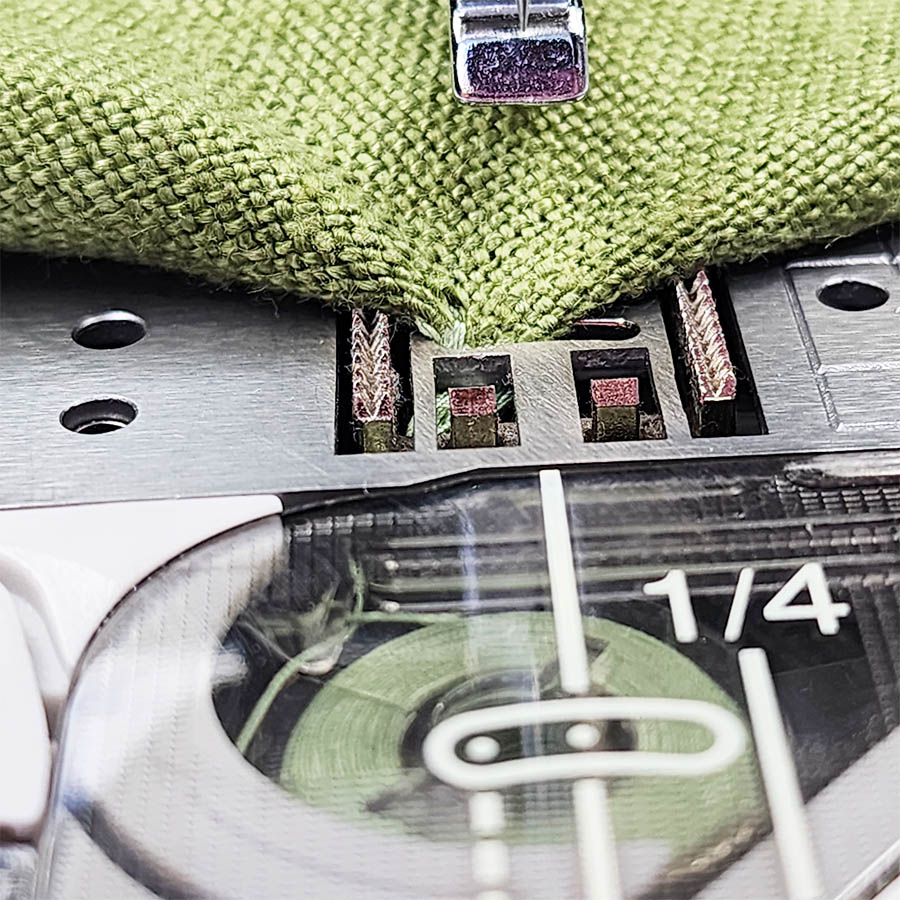
23. Attention: Thread Nest Formation in Progress – Proceed with Caution
When your fabric refuses to move and you hear that chunk-chunk-chunk noise, do not panic — but also, do not yank. That’s not a malfunction – that’s your sewing machine’s attempt at modern art!
Yanking it free could break your needle, bend your machine parts, or launch your presser foot across the room. Instead, turn off your machine, breathe through the rage, and gently remove the fabric like you’re defusing a tiny, bobbin-powered bomb. This is not the time for bravery. It’s the time for tweezers.
✅ Related tutorial: Troubleshooting Common Sewing Machine Problems (+ Solutions)
24. Warning: Time Distortion Field Active — Hydrate and Set a Timer
You meant to sew for an hour. Now it’s midnight, your iron is still hot, your spine is permanently curved, and you’ve eaten exactly one cracker since breakfast.
Time doesn’t exist in a sewing room. That’s how backs get strained, stitches go rogue, and zippers get attached inside out while you’re too tired to notice. For your safety (and basic human function), set a timer, drink some water, and maybe stand up once every 45 minutes.


25. Know Where the Power Is — and Turn It Off Before It Bites You
Look, your sewing machine has a light, but is not a nightlight. And your iron? That thing could sear a steak. Leaving them powered on while you step out “just for a minute” is how innocent bobbins become charred artifacts. It doesn’t take much — one distracted moment, one frisky pet, or one rogue elbow — and suddenly your sewing room is starring in its own cautionary tale.
Always unplug your iron. Turn off your machine. Don’t leave the room with things humming. This isn’t just about saving energy. It’s about saving your fabric, your table, your eyebrows… and maybe your entire house. Sewing rooms aren’t crime scenes waiting to happen, but they do love to flirt with danger. The only sparks flying should be from inspiration, not your outlet.
26. Don’t Drink and Draft
A glass of wine may feel like a reward for finishing a tricky sleeve. But if you’re tracing a pattern or cutting into that pricey linen while tipsy, that’s not couture, it’s chaos. Sewing buzzed turns princess seams into Frankenstein darts.
Tipsy sewing leads to wobbly lines, misread grainlines, and bold creative choices that sober-you will deeply regret. And don’t even try pinning with a buzz. That’s how you end up sewing your pants to your shirt and wondering why you can’t stand up straight.
If you must celebrate, do it after the scissors are down and the iron is unplugged. Draft sober. Sew focused. Toast when it’s safe to step away from the pattern pieces — and not while balancing a rotary cutter in one hand and a wine glass in the other.
27. Watch the Chair Wheels — They’re Not on Your Side
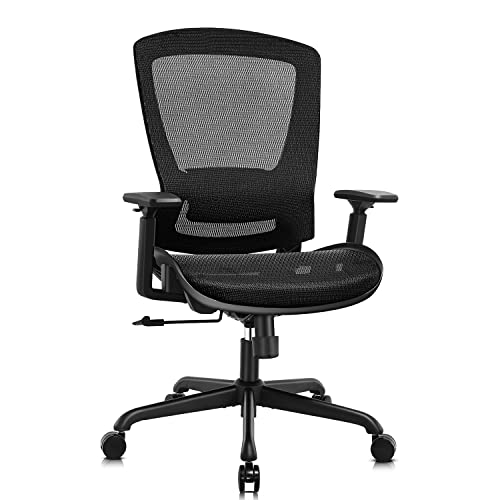
Sewing chairs may look innocent, but don’t trust them. You lean in to adjust a seam, and the next thing you know, the chair shoots backward. Suddenly you’re halfway across the room, holding your fabric in one hand and your dignity in the other.
Rolling chairs plus hardwood floors? That’s a recipe for a slow-motion wipeout. Not to mention the stubbed toes, bruised shins, and crushed fabric that happen when your chair decides it wants to freestyle while you’re threading a needle.
Safety tip: put a rug under your workspace or wear socks with some grip. Or both. Because nothing derails a precise hem faster than having to chase your own chair across the room while dragging your project behind you.
✅ Related tutorial: Best Sewing Chairs For Comfort In Your Sewing Room

28. Cover Your Machine — It Deserves Better Than Dust and Confusion
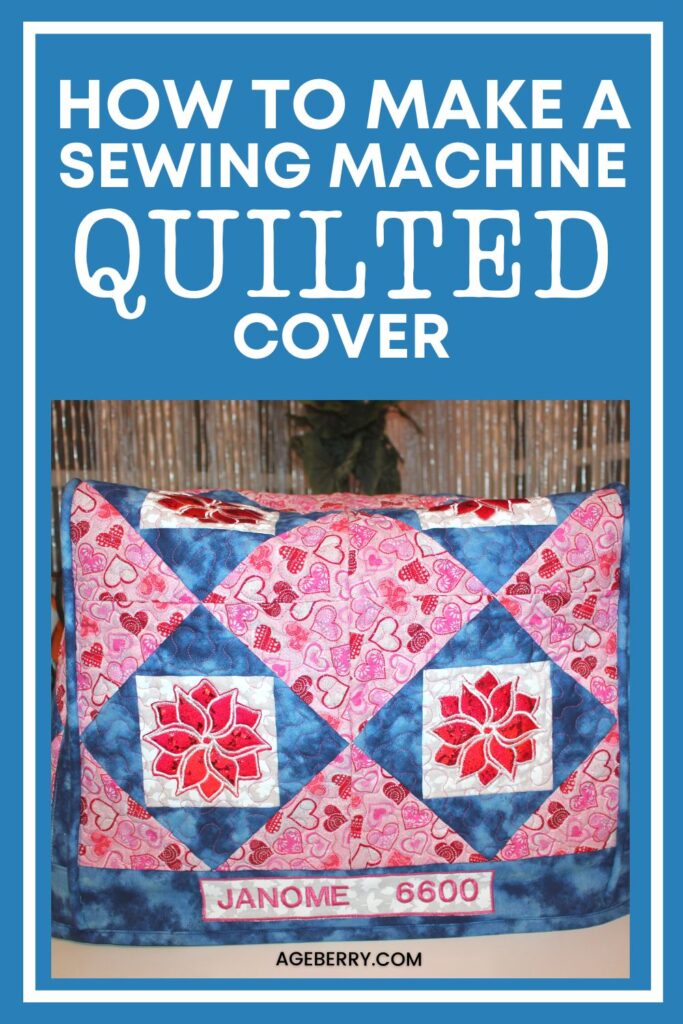
Your sewing machine works hard. The least you can do is protect it from the chaos that happens when you’re not around. That cover isn’t just there to look tidy — it’s a fabric forcefield against dust bunnies, mystery threads, stray buttons, and whatever snack you absentmindedly set down last week.
Leave your machine uncovered for too long and you’ll be pulling lint out of places lint was never meant to be. And if you’ve ever discovered a random button or a bent pin jammed in the bobbin area? That’s not a surprise. That’s a warning.
Bonus safety perk: covering your machine keeps it safe from curious toddlers, inquisitive cats, and well-meaning guests who assume it’s a printer and start poking buttons. Protect your machine like it’s the crown jewel of your sewing room — because it basically is.
✅ Related tutorial: Sewing machine cover tutorial: quilted cover with piecing in the hoop
29. Keep Your Hair (and Scarf) Out of the Machine’s Business
That messy bun might be Pinterest-worthy, and the scarf adds flair, but your sewing machine doesn’t care about your aesthetic. If anything dangling gets caught in the feed dogs, your stylish moment ends with a scream.
Safety first — tie it back, tuck it in, and keep all flowing accessories well away from the moving parts. The only thing under the presser foot should be fabric. Not your bangs, not your braid, and definitely not your favorite silk scarf.
✅ Related tutorial: Sew headband DIY sewing pattern
30. Respect the UFO Pile… But Don’t Let It Take Over
Your stack of Unfinished Fabric Objects? It has history. It has character. It might even have dust from three zip codes ago. And that’s fine — every sewist has one. But if that pile starts creeping onto your cutting table, occupying your chair, or blocking access to the iron… we’ve moved from “work in progress” to “fabric uprising.”
Left unchecked, your UFOs will organize, multiply, and possibly develop a social hierarchy. Respect the pile — but reclaim your space. Pick one. Finish it. Remind the rest who’s boss before they apply for zoning permits and start collecting rent.
✅Related tutorial: 21 Scrap Fabric Projects to Transform Your Textile Trash into Treasure
31. “It Just Needs Hemming” Is Sewing Code for “See You Next Year”
We’ve all said it. That innocent little phrase: “It just needs hemming.” But let’s be honest — that hem is going to wait. And wait. And eventually become part of your home decor, draped across a chair, blocking your ironing board, or lurking on the floor like a judgmental puddle of fabric guilt.
Meanwhile, it’s not just unfinished — it’s unsafe. Tripping over that half-done skirt while carrying scissors? That’s a sewing room stunt no one wants to perform.
Safety tip: bag it up, label it clearly, and stash it somewhere until you’re emotionally ready. Suggested tag: “Warning: Unfinished Potential. Approach with snacks and patience.”
✅ Related tutorial: I started a 10-minute sewing project yesterday. I hope to finish it tomorrow.
So, are you guilty of breaking any of these rules?
Let me know your biggest sewing room blooper or the safety rule you learned the hard way. We’ve all been there – probably more than once.
Remember folks: the only thing that should be in pieces in your sewing room is your fabric – not your fingers, your patience, or your marriage.
Look, sewing is supposed to be fun! It’s creative, it’s relaxing, it’s cheaper than therapy. But it’s only fun if you can keep all your fingers attached.
Stay safe, stay stitching, and may all your seams be straight and your thread never tangle!
Did you find this guide helpful, or at least mildly entertaining? If so, save this pin (see below) on your sewing board so that you can easily access the article later whenever you need this information on sewing safety, and follow me on Pinterest for more tips, tutorials, inspiration and entertainment!

latest posts
- 10 Easy-to-Miss Features on Sewing Supplies You Should Be Using
- Twin Needle Sewing: My First Try Was a Mess, But Here’s What Worked
- 10 Rules That Made Me a Better Sewist
- How to Make a Lightweight Summer Neck Scarf with a Lettuce Hem
- What Sewists Hate About Sewing: Common Complaints and Practical Fixes
- Knit Presser Foot: How It Works, How to Use It, and My Sewing Tests
- How to Sew Neat Mitered Corners at Acute Angles
- Sewing Machine Needle Organization: A Clever System I Tried
- DIY Car Armrest Organizer: Sewing Tutorial