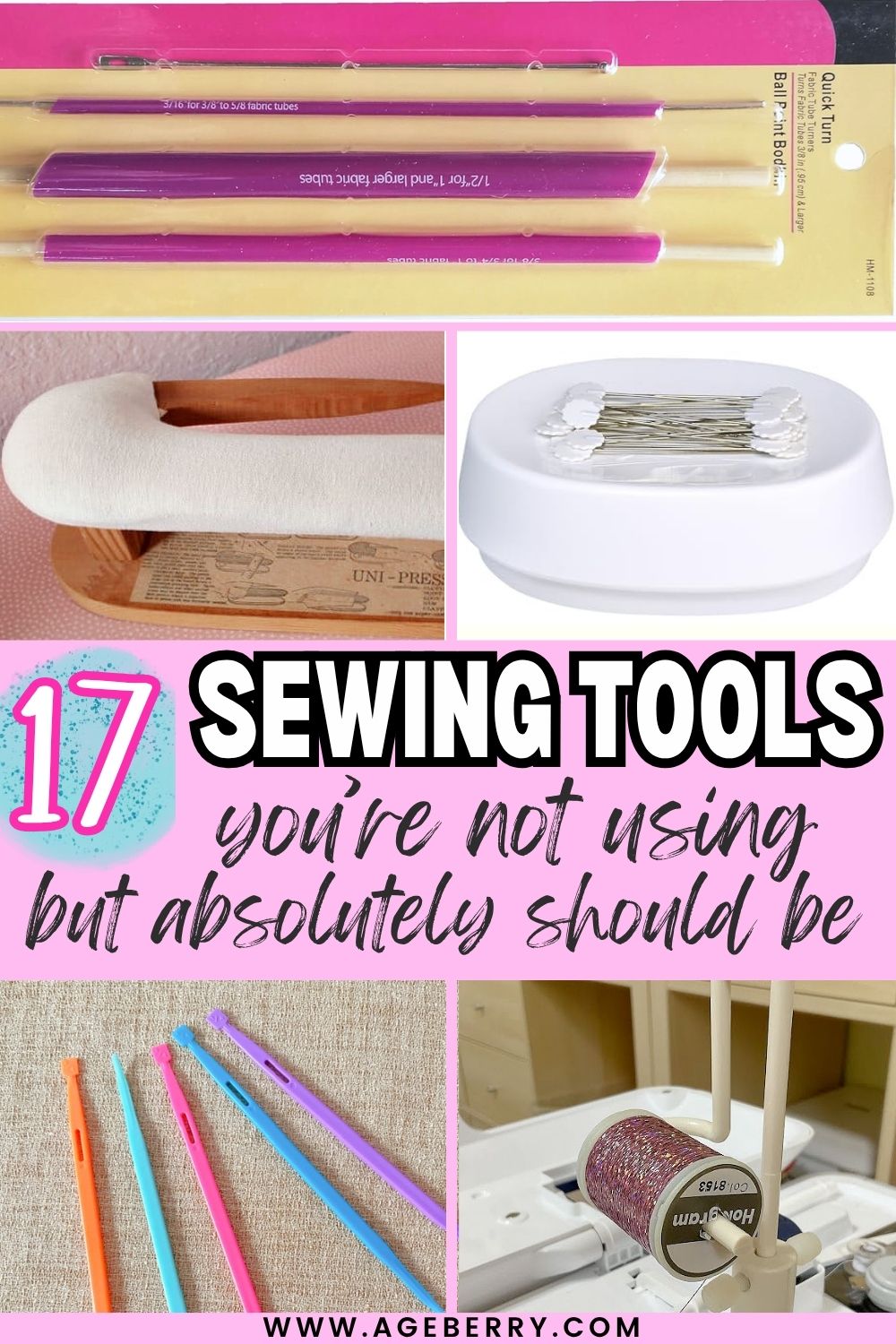
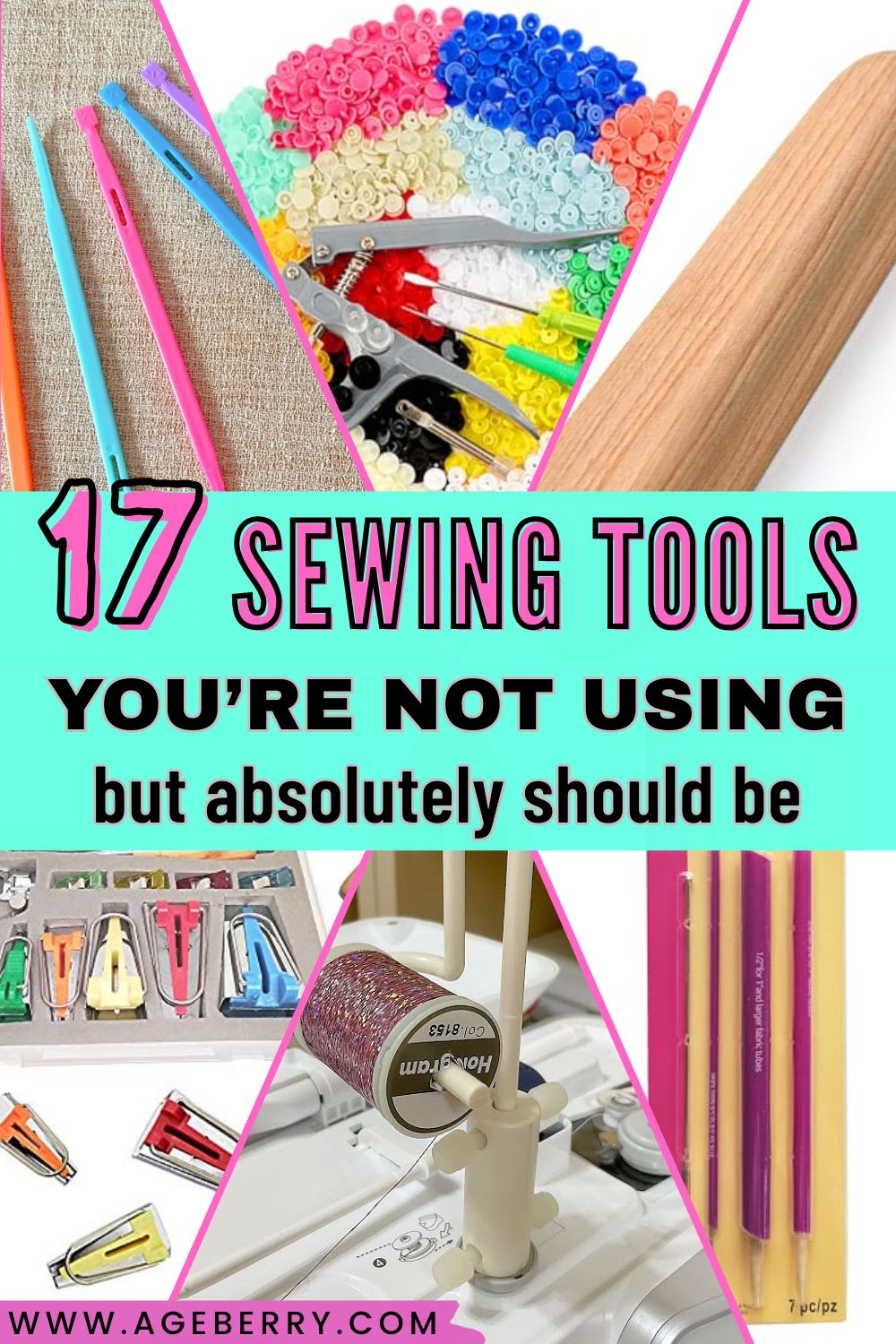
17 Sewing Tools You’re Not Using (But Absolutely Should Be)
You’ve got your pins, your scissors, measuring tape, your trusty seam ripper (a little too trusty, sometimes)… but what about the rest of the sewing toolbox? There’s a whole world of clever tools out there — tools that quietly solve problems, speed things up, or make sewing just a little more fun (and a lot less frustrating).
This list isn’t about the usual suspects. It’s about the underappreciated, often-overlooked notions that don’t get the spotlight — the ones you think you don’t need until you try them. Then suddenly you’re wondering how you ever sewed without them.
Prefer to read without ads?
I created a PDF version of this guide for anyone who likes to keep sewing guides saved, printed, or easy to read without ads. It includes the same helpful information in a simple format you can download and use whenever you need it.
The PDF is available in my shop for a small fee. It’s a nice option if you want to support my work and keep this tutorial close to your sewing machine.
I love finding these kinds of tools — the ones that make you stop mid-project and say, “Wait… why didn’t I have this before?” I try them all so you don’t have to waste time (or money) on the duds.
From tools that press seams without plugging in an iron, to tape that clings without sticking, to thimbles that don’t feel like medieval punishment — these 17 sewing notions might just become your new favorites.
Let’s dig in — and don’t be surprised if you end up adding a few of these to your cart “just to try.”
1. Knee Lifter
Sometimes I wish I had an extra hand while sewing. You probably do too. A knee lifter basically is your extra hand.
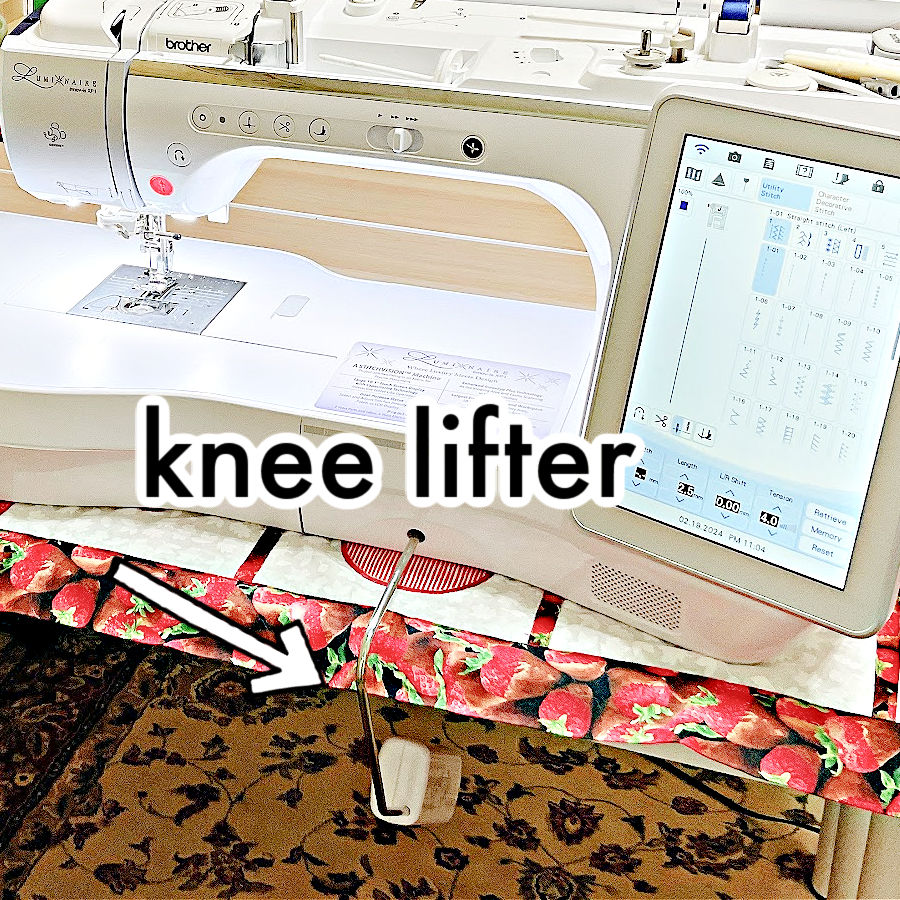
It’s a simple lever that attaches to your sewing machine, and with just a nudge of your knee, you can raise or lower your presser foot instantly. Why is this so useful? Because it means you can keep both hands exactly where you want them — holding slippery silk in place, guiding tricky topstitching, or coaxing fabric neatly around curves without losing control.
It’s also a lifesaver when you need to stop and pivot, or quickly whip out a pin before disaster strikes. Once you get used to it, you’ll wonder how you ever survived those clumsy moments of letting go to lift the foot. No, it won’t make your seams straighter by magic — but it will make you feel like a sewing ninja.
Here’s the funny part: a knee lifter often comes with your sewing machine — and still ends up living in the closet or original box for years. How do I know? Because mine sat there, untouched, for five years before I finally pulled it out and started using it with my Janome. And once I did, I couldn’t believe I’d been lifting the presser foot by hand all these years.
Note: Some of the links on this page are affiliate links. This means I will receive a commission if you order a product through one of my links. I only recommend products I believe in and use myself.


This tool is specific for every type of machine, here is what Amazon offers. If it did not come with your machine but you want one, make sure you buy the one that fits your machine.
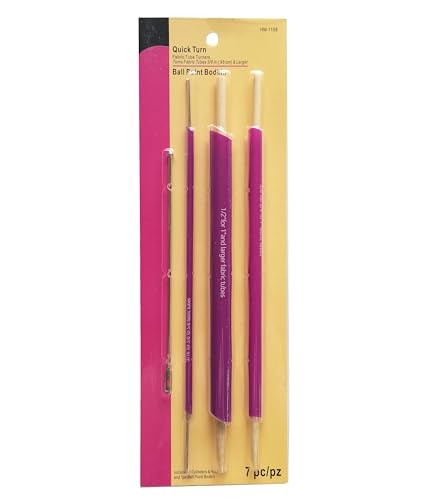
2. Fabric Tube Turner
Turning narrow fabric tubes can feel like a battle you didn’t sign up for. You poke, you prod, you twist — and the fabric just laughs at you. A fabric tube turner makes the whole ordeal … pleasantly uneventful.
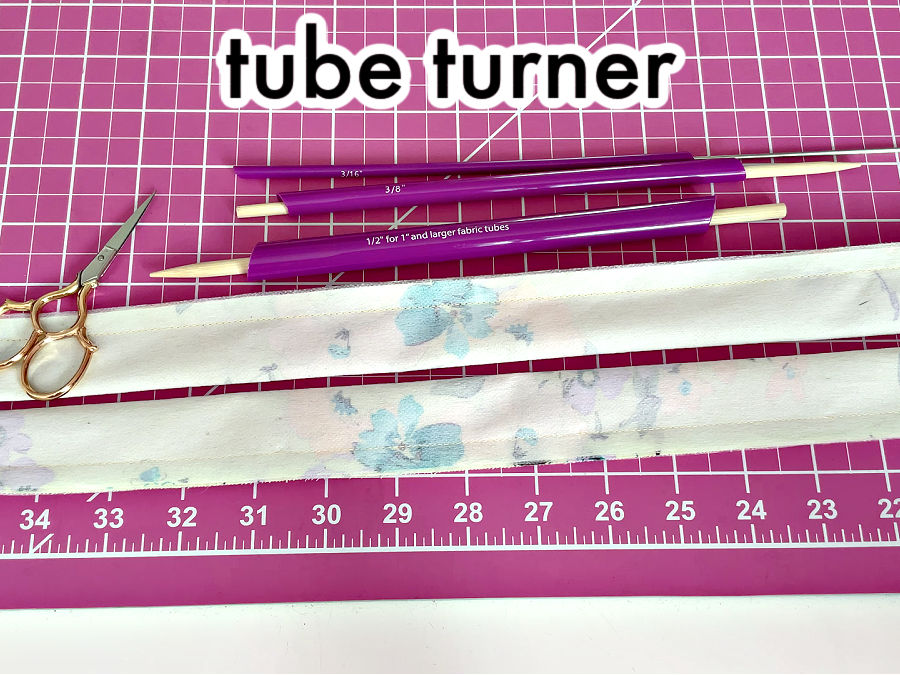
You just slip your fabric tube over the right‑sized plastic cylinder, insert the matching rod, and push. The fabric flips neatly in seconds — no more mangled safety pins, no more fabric stuck halfway like a stubborn cork.
Whether you’re making spaghetti straps, ties, belt loops, or drawstrings, this little gadget turns an annoying chore into a quick, no‑drama step you barely have to think about. It’s one of those tools you’ll keep close and wonder why you didn’t start using it sooner.

3. Mini Iron
Mini irons come in all shapes and styles — some look like shrunken travel irons, others have a sharp, pointed tip for precise pressing, and some are shaped like a wedge for getting into awkward seams. You can find steam versions, dry‑heat models, cordless designs, and even models with interchangeable tips so you can swap between different shapes for different tasks.
Why use one when you already have a full‑size iron? Because sometimes a big iron is overkill. Mini irons are perfect when you’re working in small areas — pressing quilt block seams, prepping bias tape, or getting crisp edges on doll clothes. They slip into corners your regular iron can’t reach and let you press without flattening the surrounding fabric.
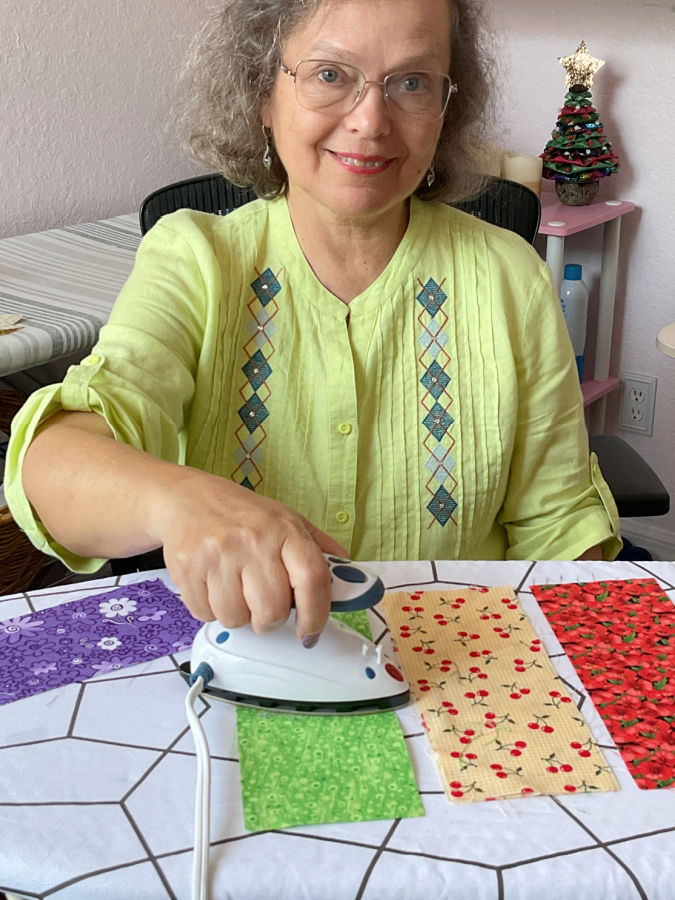
They’re also easier to control for delicate work. A mini iron heats just the area you need, so you’re less likely to distort fabric, stretch bias edges, or accidentally press a wrinkle into your project. Once you start using one for detailed sewing, you’ll see why they’ve become a favorite among quilters and garment sewists alike.


I have a full guide on mini irons here: Mini Irons For Sewing And Quilting — it covers different types, features to look for, and my recommendations for the best models.
4. Ironing Station
Speaking of irons — let’s talk about the serious kind. A basic steam iron is fine for everyday pressing, but if you sew, those little water tanks just don’t cut it. You press two seams, and suddenly it’s back to the sink to refill. That’s where ironing stations come in — and once you try one, there’s no going back.
Ironing stations hold way more water, which means continuous steam for long stretches of time without constantly stopping to refill. More steam means faster pressing, smoother seams, and fewer wrinkles laughing in your face. You get consistent heat, stronger steam bursts, and often better glide across fabric — all of which matter when you’re pressing interfacing, flattening bulky seams, or working with delicate materials.

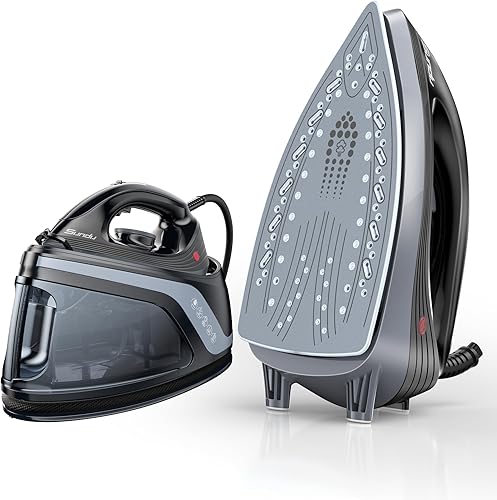
I use the Sundu Pro steam station.
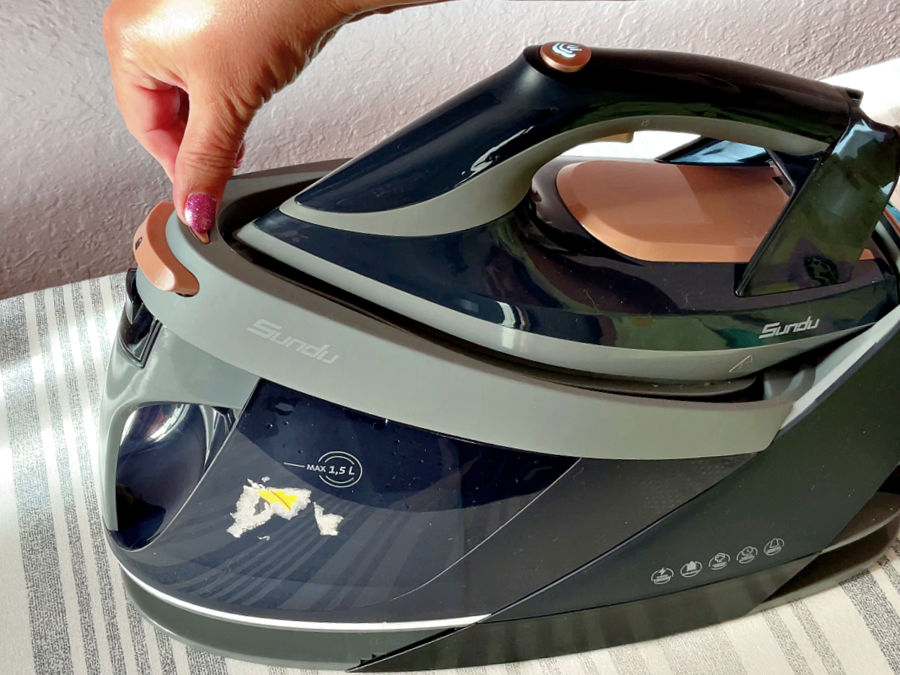
But there are other great options too, including gravity feed irons — a favorite among professional sewists and tailor shops. They have a large water bottle suspended above, so gravity keeps the steam flowing without electronic pumps. Either way, you’ll spend less time refilling and more time actually sewing.
You can read my full review of the Sundu iron here: Sundu Pro Steam Station with Ceramic Soleplate Review: Iron-y Good?
5. Bias Tape Maker
Store-bought bias tape is fine… if you’re into stiff polyester in three shades of beige. Making your own? That’s where the fun begins — especially if you have a bias tape maker. This little gadget folds in the edges of your fabric strip perfectly while you press, so you get smooth, even tape without burnt fingertips or uneven folds.
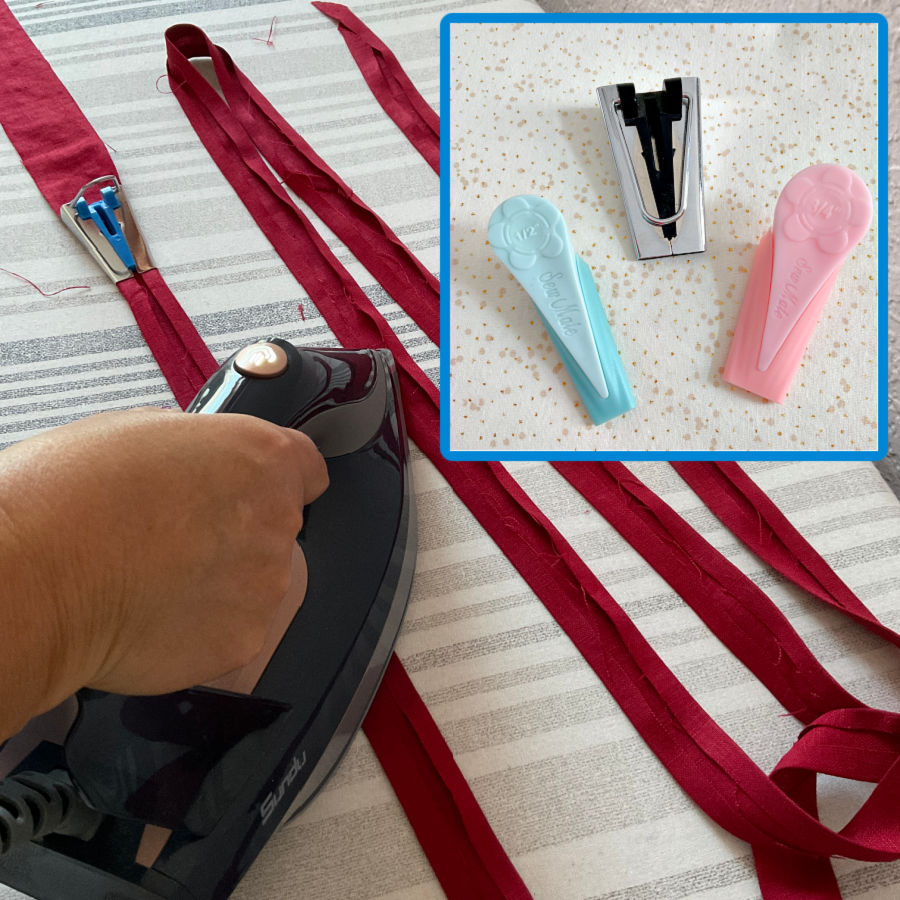
They come in different sizes — 1/4″, 1/2″, 3/4″, etc. — and once you find the size you like, it’s dangerously satisfying. Just feed in your fabric, give it a little encouragement with the iron, and out comes bias tape that actually matches your project. Suddenly, binding necklines, armholes, and quilt edges becomes less of a chore and more of a “look what I made!” moment.
It’s also a great way to use up fabric scraps that are too pretty to toss but too small for much else. Want to learn exactly how to use one? I’ve got a full step-by-step guide on my site: Bias tape tutorial: how to use a bias tape maker.


6. Washaway Wonder Tape
Pinning knits, zippers, or shifty fabrics can feel like trying to nail jelly to a wall. Washaway Wonder Tape makes it a lot less frustrating. It’s a narrow, double-sided adhesive tape that holds fabric layers together exactly where you want them — no pins, no shifting, and no extra fingers needed.
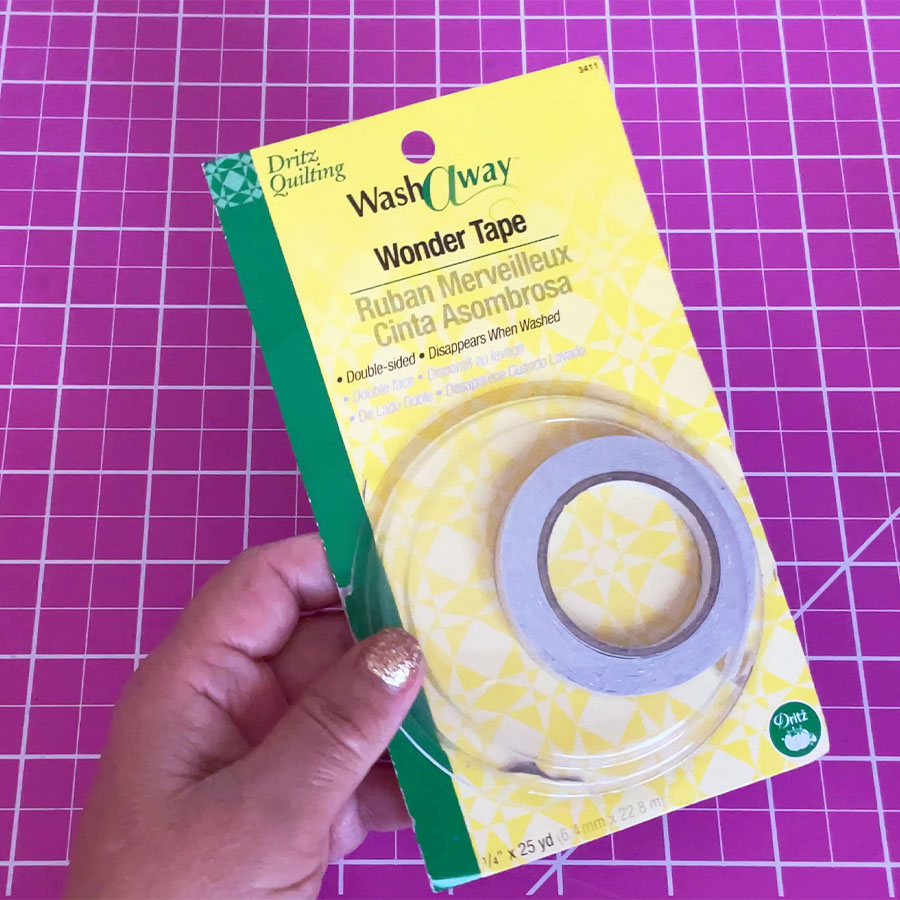
It’s especially handy for hems, pockets, zippers, and tricky seams. You stick it on, sew right through it, and then it washes away in the laundry like it was never there. It doesn’t gum up your needle, doesn’t stretch your fabric out of shape, and doesn’t leave a residue — which is more than we can say for some fusible tapes out there.

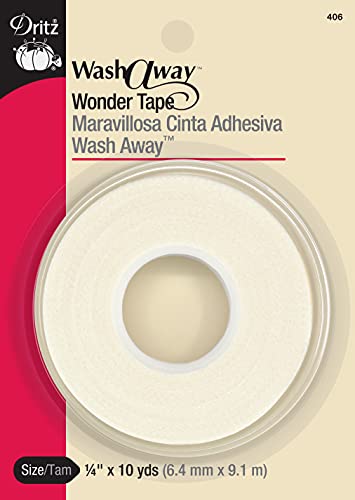
If you’ve ever wanted an extra set of hands but didn’t want the commitment, this is the next best thing. Use it once and you’ll keep a roll near your machine at all times.
Want to see it in action? I have a full tutorial here: How to put in an invisible zipper using Wonder tape for sewing
7. Seam Guide
Sewing a straight line sounds simple — until your fabric starts drifting like it has its own opinion. That’s your cue to bring in a seam guide and stop the wandering for good.
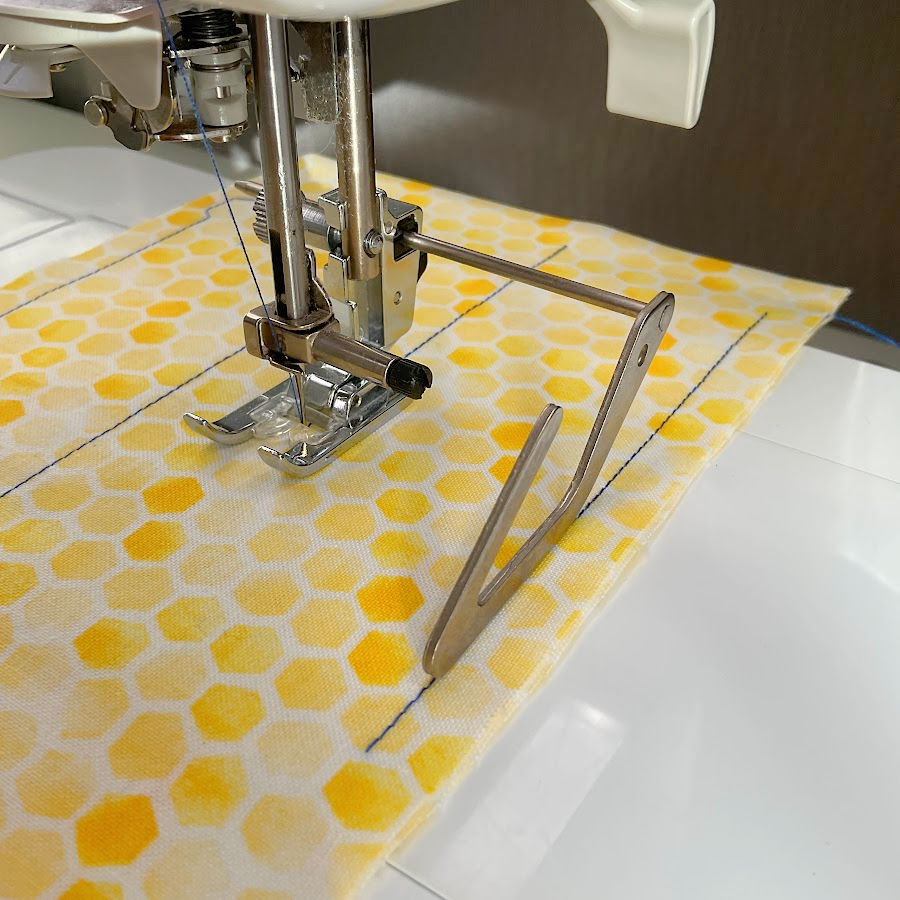
Whether it’s a clip-on attachment, a screw-in guide, a magnetic block, or even a bit of painter’s tape on your throat plate, the idea is the same: give your fabric a physical edge to follow so your seam allowances stay consistent from start to finish.
It’s especially helpful when sewing long seams, topstitching, or piecing quilt blocks — anywhere a wobbly line can throw off the whole project. Plus, it takes the pressure off constantly watching your needle or measuring while you sew. You just line up the fabric and go.
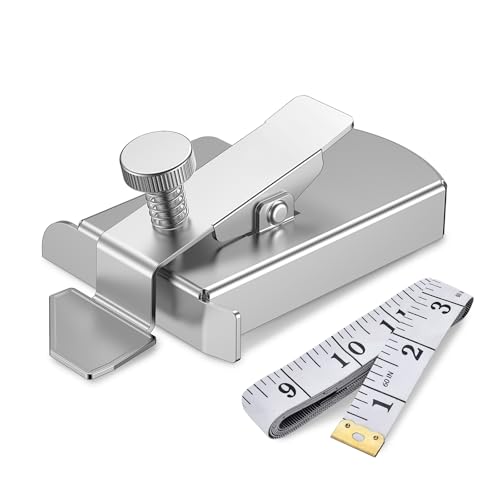

I have a full tutorial where I show all the different types and how to use them:Seam Guide Tutorial: how to sew a straight line and keep seam allowances equal.
8. Purple Thang
Yes, it’s actually called a Purple Thang — and yes, it really is that useful. Despite the name, your Purple Thang might not actually be purple — they come in other colors too: blue, pink, green.
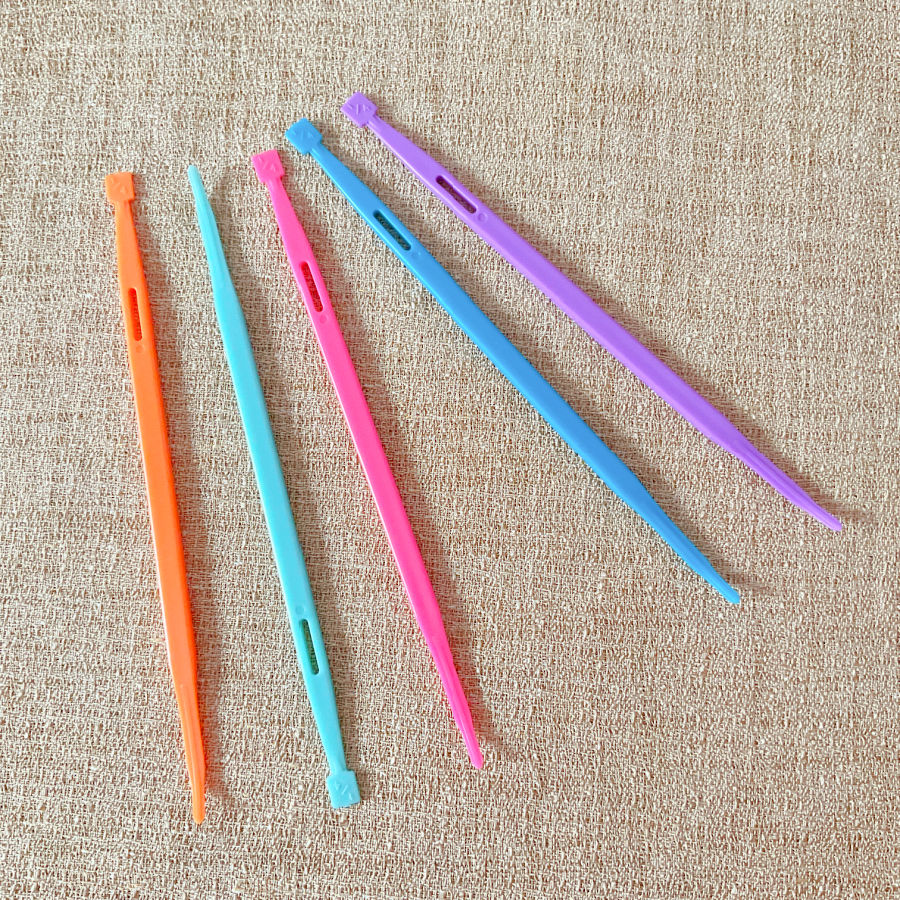
This odd-looking plastic stick has a surprising number of talents: it pushes out corners without poking through the fabric, helps guide fabric under the needle, turns tubes, and handles a bunch of other small but surprisingly helpful jobs along the way.
It’s one of those tools that doesn’t look like much but ends up doing the work of five different gadgets. You can use it like a point turner, a stiletto, or just a general-purpose poker when your fingers can’t quite reach. It won’t scratch your fabric, it won’t roll off the table, and it won’t stab you when you’re digging through your notions bin. Not bad for something called a “Thang.”


Curious how it works? I’ve got a full guide here: You can use WHAT for sewing? A Thang?
9. Hera Marker
If you’ve ever marked your fabric with chalk or pen only to have the line vanish before you finished sewing, meet the Hera Marker — the tool that leaves a crease instead of a mess. It’s a simple plastic tool that glides across fabric to make a sharp, temporary fold you can actually follow while sewing or quilting. No ink, no residue, no panic when you realize your marking pen “disappeared” a little too early.
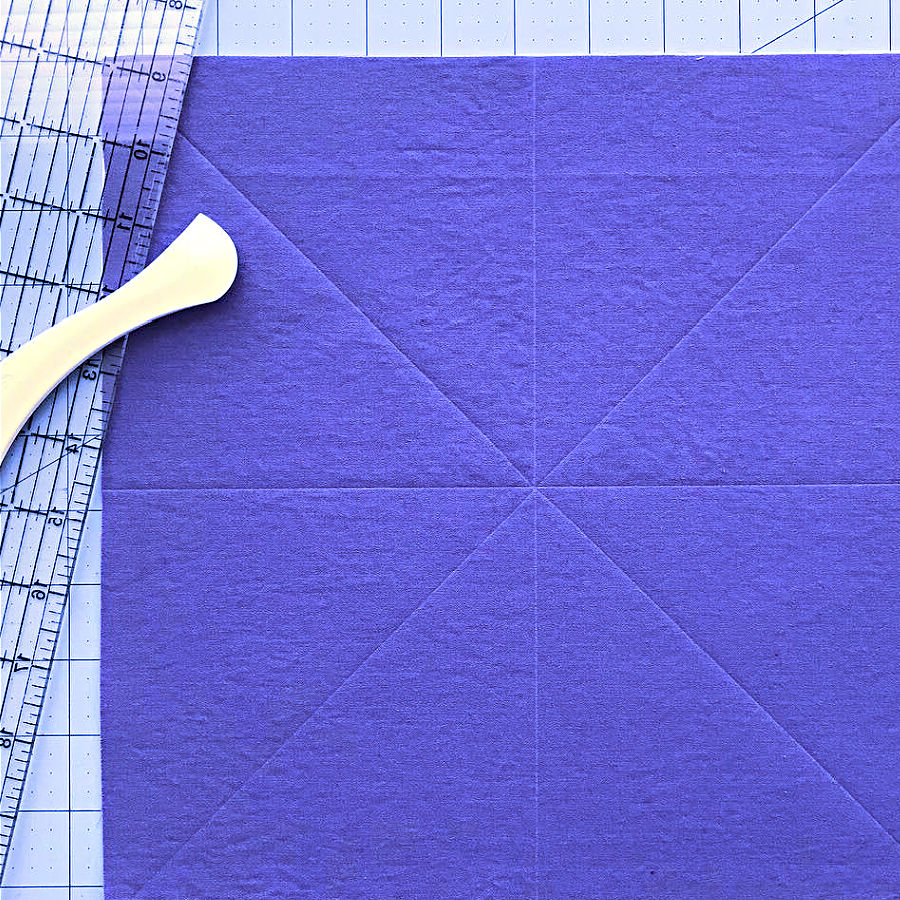


It’s especially great for marking darts, pleats, fold lines, or quilting lines. And because it doesn’t rely on pigment, it works on literally any fabric — even those tricky ones that hate chalk, laugh at washable pens, and scoff at heat-erase markers.
Plus, it looks just fancy enough that people might assume you know what you’re doing. You don’t need to correct them.
10. Point Presser & Tailor’s Board
This tool looks like something from a medieval woodshop, but it’s one of the best pressing tools a garment sewist can own. The point presser and tailor’s board combo is designed to help you press in all the weird, tight, and awkward places your iron just can’t reach — like inside collars, under lapels, inside sleeve cuffs, and between seams.
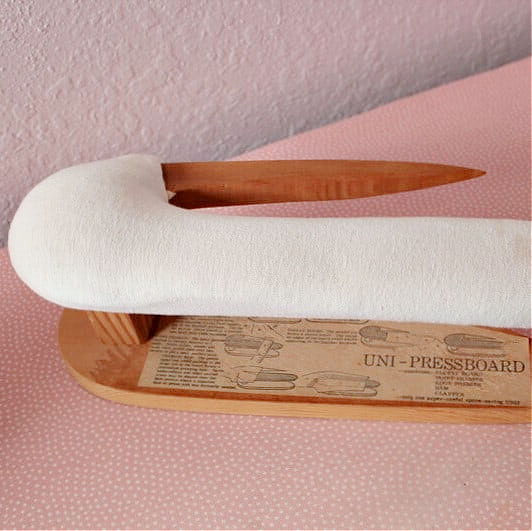
One side has a narrow, pointed edge that’s perfect for getting crisp edges in corners and hard-to-reach spots. The other side usually includes curved surfaces and flat sections for shaping darts, pressing open seams, or molding fabric into shape — all without crushing everything around it in the process.
It’s not flashy. It doesn’t beep or steam or light up. But it quietly helps your garments look a whole lot more professional — with smoother collars, sharper corners, and less swearing at your iron. Once you get used to it, you’ll wonder how you ever pressed a collar without it.
I was not able to find anywhere this exact tool I have, seems it is a vintage tool. But similar tools are available.


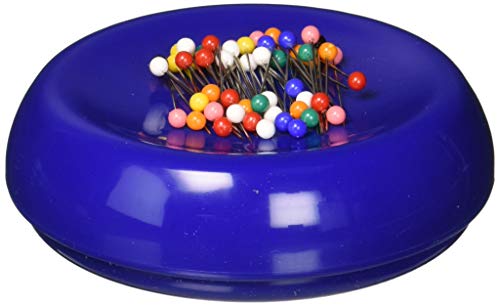
11. Magnetic Pin Wand (or Pincushion)
Pins have a way of escaping — falling off the table, hiding in carpet, or somehow ending up in your sleeve. A magnetic pin wand is the fastest way to round them up before your foot does. Just wave it over your sewing table (or the floor), and click — all those runaway pins snap back like well-trained pets.
It’s also great for clean-up after a project, or mid-project when your pincushion has mysteriously vanished under a pile of fabric.
Not into wands? Try a magnetic pincushion instead. Same idea. Either way, your feet will thank you.

So one day, my twin needle broke mid-stitch — which, if you’ve ever used one, isn’t exactly headline news. They’re dramatic little things. I found one piece of the needle right away, but the other? Completely vanished. Gone like a sock in the dryer.
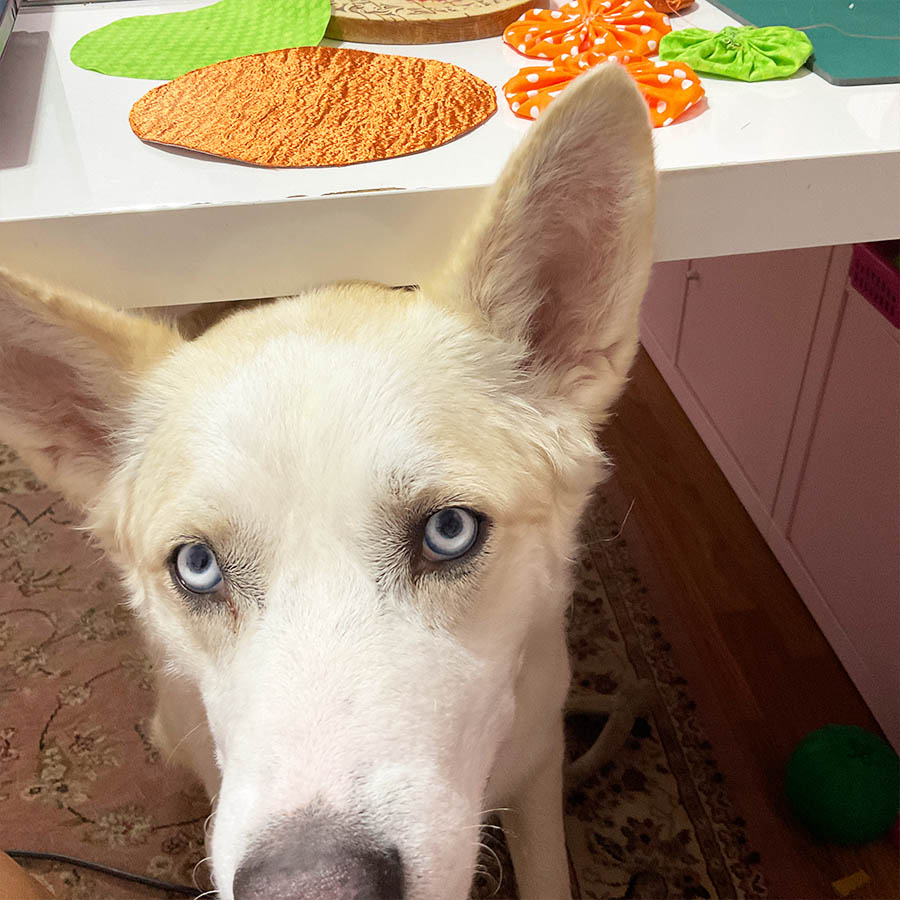
I checked everything: my clothes, my chair, the carpet — nothing. Then I looked over at my dog, who had been sitting suspiciously close while I was sewing, and thought: What if it flew into his ear?? Cue a very gentle, very thorough inspection of a confused dog. No metal found, but he did get extra treats for cooperating with the investigation.
Finally, I grabbed my magnetic pincushion and did a sweep of the floor. Click. There it was — that tiny needle fragment clinging to the magnet like it had never caused an incident in my sewing room.
12. Seam Roller or Finger Presser
This isn’t about skipping the iron — it’s about making the ironing way easier. A seam roller or finger presser is the tool you reach for right after sewing a seam, especially when you’re piecing quilt blocks, making small fabric parts (like in toys or bags), or working with some heat-sensitive materials.


You use it to gently press the seam open or to one side before taking it to the iron. That first pass flattens things out just enough so when you finally hit it with heat, the fabric behaves. No lumpy seams, no stubborn folds, and no extra wrestling with the iron.
13. Tailor’s Clapper
A tailor’s clapper is just a block of wood — but don’t let its simplicity fool you. This tool helps you get the crispiest, flattest seams possible, especially when you’re pressing thick fabrics or aiming for sharp creases in collars, hems, pleats, or quilt blocks.
Here’s how it works: you press your seam with a hot iron and a good burst of steam, then immediately place the clapper over the seam and let it sit for a few seconds. The clapper traps the heat and moisture in the fabric and applies weight at the same time. When you lift it off — boom — your seam is flat like it means it.

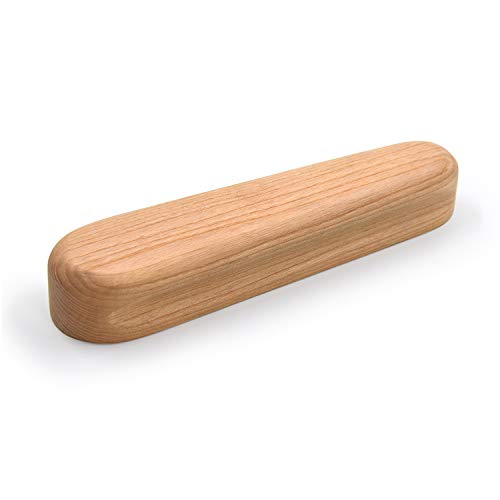
It’s especially helpful whenever you want your seams to behave and stay put. No shine, no scorching, no puffed-up seams. Just smooth, crisp results that look impressively polished — even if your actual sewing room is a chaotic mess.
14. New-Style Thimble (Not the Metal One)
If the word “thimble” makes you think of cold metal and sore fingers, it’s time to reconsider. Today’s thimbles come in silicone, flexible plastic, leather, or soft rubber — and they’re actually wearable. Some are open at the top (so your fingernail doesn’t feel suffocated), some are vented, and some even come in sizes so they fit without needing duct tape to hold them on.
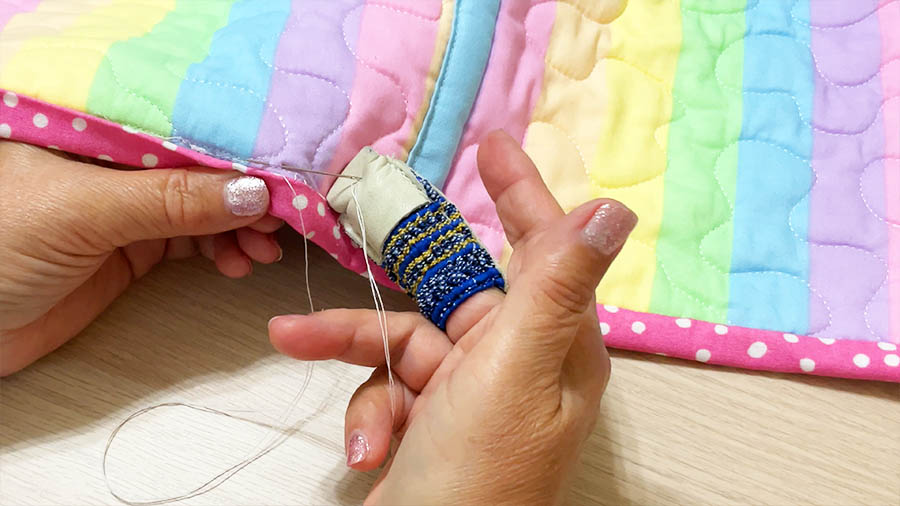
They’re great for hand quilting, sewing buttons, or stitching through thick layers where you need to push a needle without stabbing yourself. And unlike their slippery metal ancestors, modern thimbles grip the needle better and don’t fly off mid-stitch like startled bugs.


If you’ve been pinching your needle between your fingers and hoping for the best, a modern thimble will seriously upgrade your comfort. However, these thimbles are not for everybody – I have seen people who absolutely adore them, and some who can not bear wearing them.
Want to see the different types and how to actually use one without frustration? I’ve got you covered: How to Use a Thimble: The Ultimate Guide
15. KAM Snaps
Zippers are great until they jam. Buttons are fine until they fall off. Snaps? They’re underrated — especially KAM snaps, which are strong, colorful, and ridiculously easy to install. These plastic snaps attach with a satisfying click, using hand pliers that don’t require any strength training or hammering on your kitchen floor.
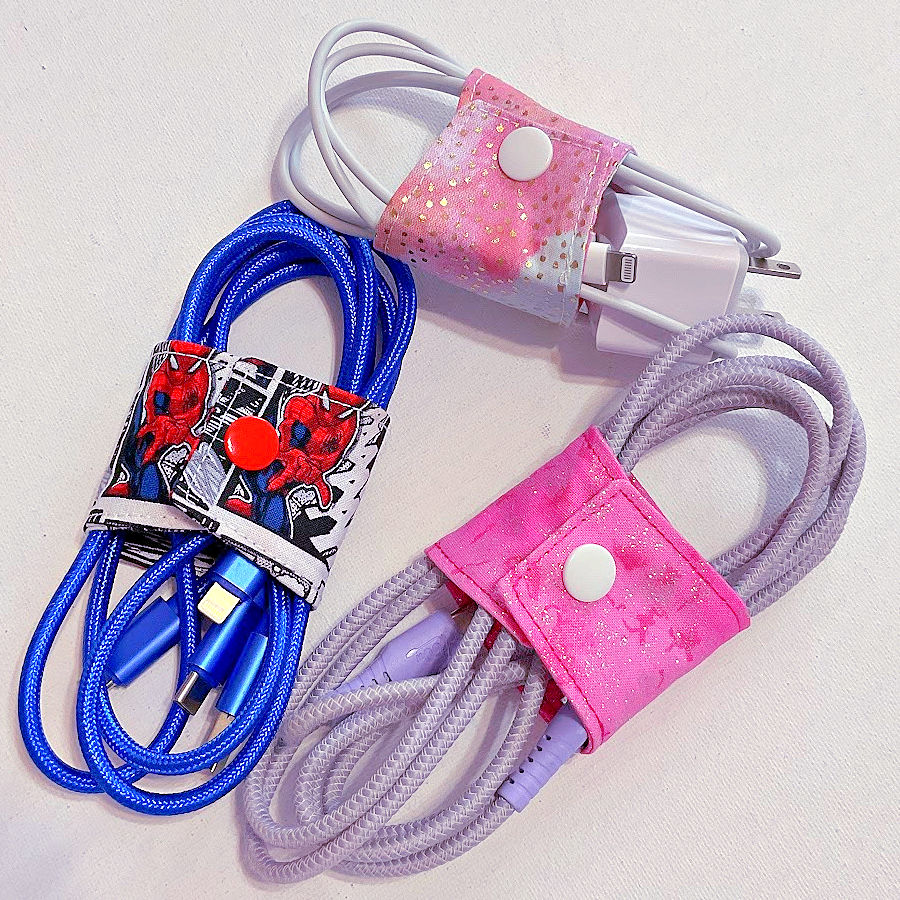
KAM snaps are perfect for baby clothes, bibs, bags, pouches, fabric storage bins, cloth pads, snack bags — basically anything you want to open and close quickly without sewing a closure. They’re washable, durable, and available in a rainbow of colors and shapes (yes, there are stars and hearts if you’re feeling cute).

Want to see exactly how they work? I’ve got a full walkthrough here: How to Install and Use KAM Snaps: A Step-by-Step Tutorial
16. Thread Spool Pin Adapter
Some sewing tools are flashy. This one isn’t, but quietly solves problems you didn’t realize had names. If you’ve ever dealt with thread that tangles, twists, or feeds unevenly — especially with parallel-wound spools (the ones where thread wraps straight across, not criss-cross) — the issue might be how your machine is feeding the thread, not with the thread itself.
That’s where a spool pin adapter comes in. It attaches to your machine’s existing spool pin and repositions the spool so it can rotate and unwind from the side — exactly how parallel-wound thread was designed to behave. This simple change keeps the thread path smooth, prevents tension issues, and stops those surprise knots that show up halfway through a seam.
Below is an image of the adapter mounted on my machine Brother Luminaire.
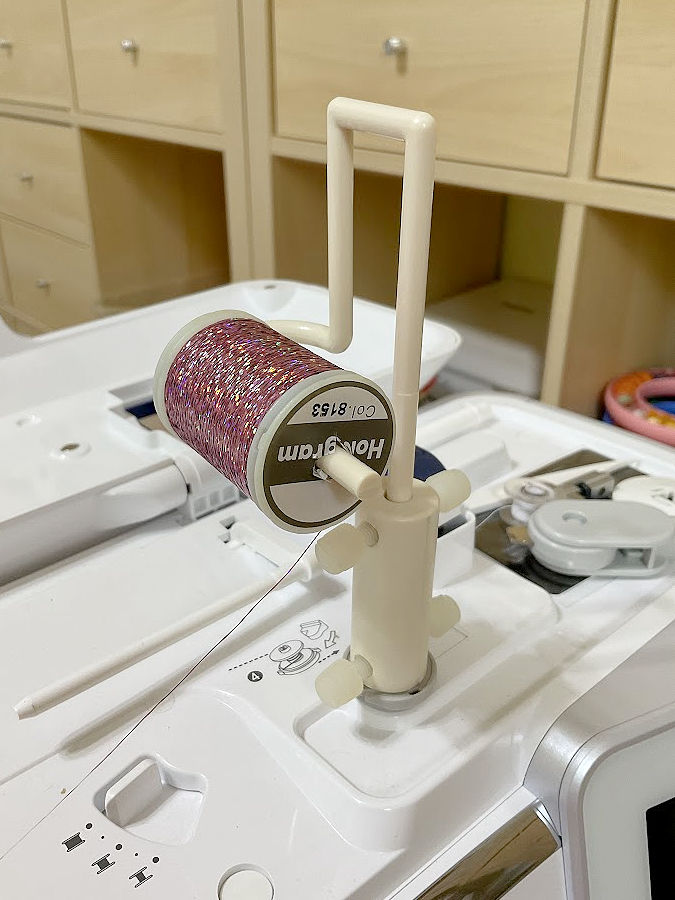


It’s a small fix with a big impact — especially on modern machines that weren’t built with this in mind. I’ve got a full breakdown on how and why to use one here: Unique Sewing Tool You Didn’t Know Existed: Thread Spool Pin Adapter
17. Hugo’s Amazing Tape
It’s not sticky. It’s not disposable. And it’s not your average tape. Hugo’s Amazing Tape is a clear, flexible tape that clings only to itself. It’s perfect for sewing rooms where thread spools unravel, cords coil like snakes, and stabilizer rolls go rogue.
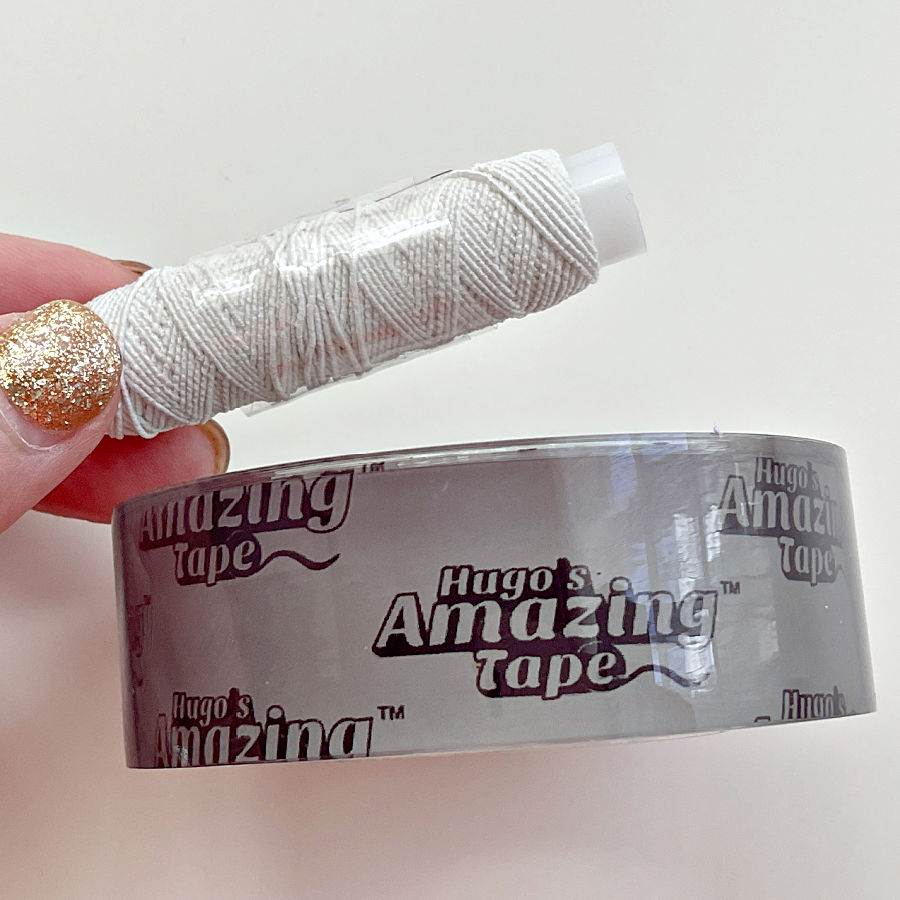
You can wrap it around thread cones to keep tails from tangling, bundle elastic or trims, secure your machine cord for travel — and then unwrap it without a single sticky mark. It’s reusable, easy to cut to size, and surprisingly strong for something that feels a bit like stretchy plastic wrap.
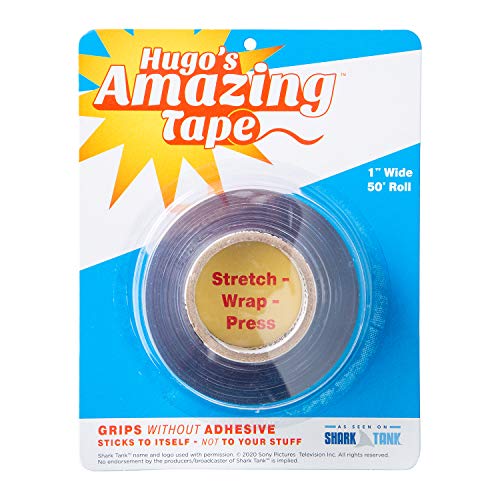

Is it technically a sewing notion? Debatable. Is it incredibly useful? Absolutely. Once you start using it, you’ll find yourself reaching for it constantly — and probably end up wrapping more things than you meant to. It’s like the sewing room equivalent of zip ties, but gentler and prettier.
Did you like this guide? Don’t forget to save this pin to your sewing Pinterest board so you can come back to it whenever you’re ready to try something new. These sewing tools might not be the ones you hear about all the time — but they’re the ones that make sewing smoother, faster, and honestly, more fun. Want more helpful tips, tutorials, and clever tools that actually work? Follow me on Pinterest and let’s keep sewing smarter!

latest posts
- Knit Presser Foot: How It Works, How to Use It, and My Sewing Tests
- How to Sew Neat Mitered Corners at Acute Angles
- Sewing Machine Needle Organization: A Clever System I Tried
- DIY Car Armrest Organizer: Sewing Tutorial
- Easy DIY Potholder Sewing Tutorial: Better Shape, Better Grip, Smart New Design
- How to Buy a Sewing Machine (Even If You Already Have 10)
- 23 Kitchen Items That Belong in Your Sewing Room
- What Is a Sewing Machine Piping Foot And How to Use It
- Fixing Sewing Mistakes: Repair an Accidental Cut in Fabric
Sticky notes so you never forget your previous machine setting! And a pincushion with a printed chart right on the fabric to store all those sewing machine needles so you remember what size and type you used last, and which machine (I have 3). Question – how do you de-magnetize those pins that become magnetized onto everything??…
Thank you; indeed, sticky notes are a must-have. And I use them. Just forgot to mention them. Regarding the pins, I did not notice them sticking to any steel objects (like scissors, for example), so I can say that the pins that I have did not become magnetic. I just looked, in case I simply didn’t notice before, and none of the pins in my magnetic holders (and I have a couple) is magnetic.