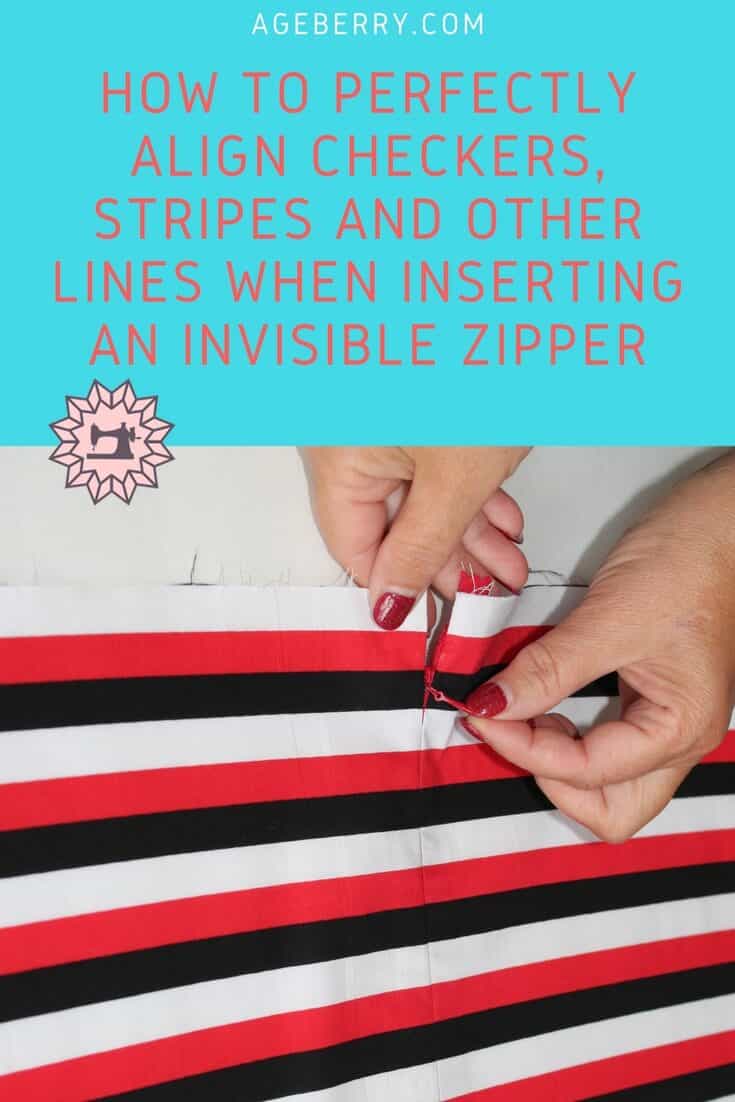
Are You Neglecting the Most Valuable Tool in Your Sewing Room? Discover 10 reasons self-care matters for sewists
They say wisdom comes with age, but apparently it also comes with a fever and a box of tissues. Actually, mine came with a side of COVID and a three-day sentence to bed rest.
There I was, horizontal and helpless, staring at my sewing room from across the hall like a fabric-starved exile. Suddenly, all those late-night sewing marathons seemed less like dedication and more like self-inflicted torture.
Isn’t it hilarious how we only discover wellness when we’re wrapped in tissues instead of fabric? It took a virus to make me realize I’d been treating my sewing machine better than my own body—at least the machine gets regular maintenance and oil changes!
So here I am, recovering and reflecting, sharing the wisdom that comes from being forced to sit still. Because apparently, sometimes it takes losing your health to find your sense.

I started asking: How can we, as sewists, take better care of ourselves — body, mind, and creativity — so we can keep doing what we love for years to come?
This article is my answer: ten reasons why self-care isn’t just important for sewists — it’s essential.
#1. Sewing is joyful, but it’s also physical labor
We often think of sewing as a peaceful, sit-down hobby — but the truth is, it’s physical work. You’re lifting sewing machines or sergers that weigh more than your cat, wrestling with your fabric stash, spending long periods pressing seams with an iron, or doing finger gymnastics that would impress a pianist. Your cutting hand gets more of a workout than most people’s biceps. Ever tried cutting through multiple layers of canvas?
Every motion adds up. And honestly, that’s not a bad thing! It keeps us moving, keeps our hands strong, and gives our bodies a purpose beyond screens and keyboards.
But here’s the catch — like any repetitive motion, it can build up strain if we don’t take care of ourselves. Hours of bending, lifting, and ironing without stretching or rest can lead to sore backs, stiff necks, and tired wrists.
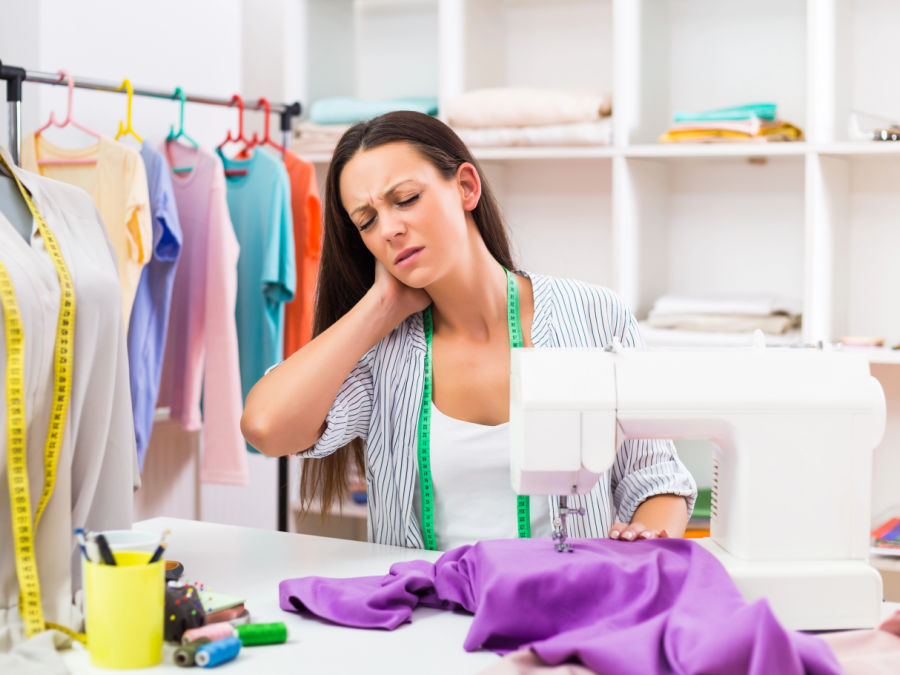
✅ Related tutorial: Sewing therapy for healthy living
The key is balance. The physical side of sewing can be good for us — as long as we treat it like exercise: warm up, pace ourselves, and listen to our bodies.
When you care for your body like the essential tool it is — stretching, adjusting your chair height, taking micro-breaks etc. — you protect the very muscles that make your creativity possible. Your hands, eyes, and back do more than you realize. Treating them with care ensures your joy in sewing doesn’t turn into discomfort or fatigue.
#2. Creative burnout is real (and rest fuels inspiration)
Even creativity has limits. When you push through fatigue to “just finish this one seam,” you drain the mental energy that fuels new ideas.
Rest is not wasted time — it’s where inspiration regenerates.
Taking a short break, walking away from a tricky project, or even sleeping on a problem gives your mind space to solve it. Many sewists say their best ideas come not while sewing but while doing something else entirely. Allow yourself that breathing room, and creativity will meet you halfway when you return to your machine.
#3. Your body is your best sewing tool — protect it
You can replace a needle or upgrade your presser foot, but not your hands, shoulders, or eyesight. Your body is more valuable than that fancy serger you’ve been eyeing. You can replace a broken sewing machine, but finding replacement parts for your spine is significantly more complicated and expensive.
Self-care for a sewist means maintenance — the same way you oil your machine. Gentle stretches, good lighting, ergonomic setup, and hydration are as vital as thread and fabric. Your posture, especially, shapes your sewing experience: shoulders relaxed, elbows close to your body, feet flat. This simple awareness keeps pain from sneaking up later. Sewing is a joy meant to last a lifetime — treat your body like the heirloom it is.
✅ Related tutorial: How To Stay Fit At Home {Simple Exercises To Stay In Shape For Sewers}
#4. Mental calm = fewer sewing mistakes
A clear mind makes cleaner seams. When stress builds up — from daily life or from that zipper that just won’t cooperate — your focus narrows and small mistakes multiply. When you’re mentally scattered, you’ll sew sleeves onto necklines and wonder why your shirt looks like abstract art. Anxiety turns your seam ripper into your best friend—and that’s not a healthy relationship.
Mental calm is like pressing seams after stitching: it makes everything smoother. A calm mind reads patterns correctly, measures twice (maybe even three times), and doesn’t confuse left and right armholes. Frazzled brains convince you that “close enough” is actually close enough, leading to garments that fit like they were designed for someone from another dimension.
Deep breathing, a stretch break, or even a few minutes of meditation can reset your mind. Sewing isn’t a race; it’s a rhythm. When you approach it calmly, you’ll not only sew better but enjoy every minute more.
#5. Physical comfort boosts sewing efficiency
We talk a lot about sewing machine tension but rarely about body tension. Sitting in a drafty room, hunching over a too-low table, or ignoring your lighting all sap your focus.
Uncomfortable sewists are inefficient sewists. When your back aches, you spend more time shifting around than actually sewing. When your feet go numb, you lose focus. When the chair digs into your legs or your neck stiffens from hunching, your creativity starts to fade too. Discomfort makes you rush through techniques just to escape the pain, leading to wonky topstitching and crooked hems.

✅ Related tutorial: Best Sewing Chairs For Comfort In Your Sewing Room
Comfort isn’t a luxury — it’s a tool, just like your scissors or thread. The better your body feels, the more easily your ideas flow. A well-lit space, a supportive chair, and a room that’s the right temperature don’t just make sewing pleasant — they make it productive. The more comfortable you are, the more energy goes toward your stitches, not toward enduring the process.
#6. Connection with other sewists reduces isolation
Sewing can be wonderfully solitary — just you, your thoughts, and the sound of the machine. But too much isolation can dull your motivation.
Sharing your wins (and fails) with fellow sewists reminds you that you’re not alone in your journey. Whether it’s through a local group, a Facebook community, or even commenting on someone’s project online, connection fuels enthusiasm.
Other sewists understand the pain of running out of bobbin thread mid-seam, the joy of finding the perfect button, and the tragedy of cutting fabric the wrong way. They’re your people, your tribe, your support group for fabric addiction. Connect with them – you’ll pick up tips, laughter, and that wonderful feeling of belonging to something creative and kind.
#7. Gratitude makes you love your projects again
When a project drags on or mistakes pile up, frustration creeps in. When you’re in the sewing trenches, battling a particularly stubborn zipper for the third time, gratitude feels as foreign as a metric pattern to an imperial sewist.
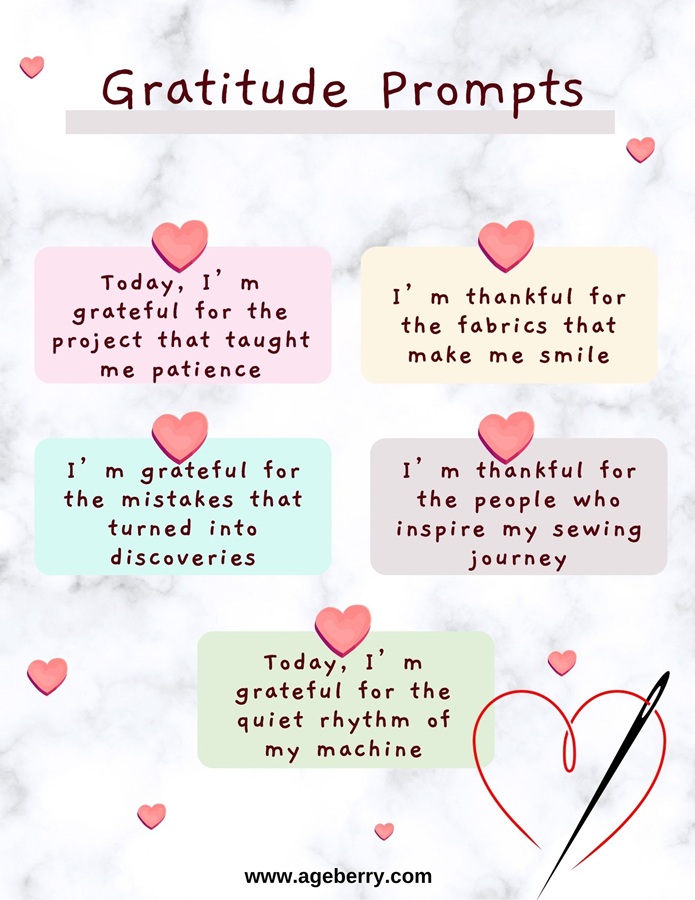
But taking breaks to appreciate what you’ve accomplished transforms your relationship with your craft. Gratitude shifts your focus. Instead of “this didn’t turn out,” try, “look how much I’ve learned.” Notice the textures, the colors, the comfort of creation itself.
Gratitude isn’t just an attitude; it’s a creative reset. It helps you fall in love with sewing again — not because it’s perfect, but because it’s yours. A small daily gratitude note — even “I’m thankful for sharp scissors today” — can work wonders. It reminds you why you started this journey—not to achieve perfection, but to create something with your own two hands. Plus, grateful sewists are less likely to throw scissors at innocent patterns.
#8. Stretching keeps you sewing longer and pain-free
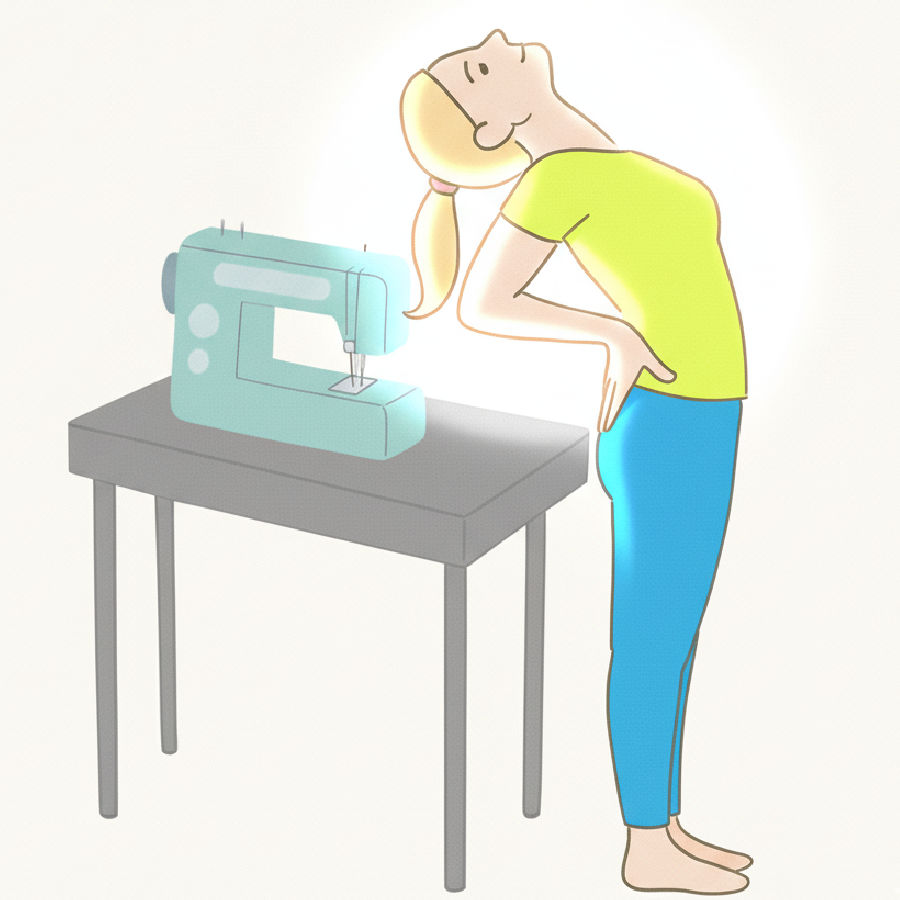
Stretching isn’t just for athletes — it’s the secret weapon of pain-free sewists. Simple wrist rolls, neck tilts, and shoulder stretches undo the tension that builds while you sew. Think of it as pressing out wrinkles from your own body. A two-minute stretch between projects keeps stiffness from turning into injury.
Think of it as preventive maintenance for your body, because nobody wants to explain to their doctor that they threw out their back wrestling with a particularly stubborn buttonhole. A few small movements now can save you days of discomfort later. Besides, the goal isn’t flexibility for its own sake — it resets your energy, clears your head, and makes returning to your project feel fresh again.
✅ Related tutorial: Hand strengthening exercises for artists and people who like to sew
#9. Mindfulness turns sewing into therapy
Mindful sewing transforms your craft room into a zen garden (well, minus the sand and plus the thread scraps everywhere). When you’re truly present, you notice the rhythm of your machine, the texture of fabric under your fingers, the satisfaction of a perfect seam. You stop rushing toward the finish line and start enjoying the journey.
Mindful sewists don’t rage-quit projects because they’re too busy being amazed by the magic of turning flat fabric into three-dimensional wearables. You begin to appreciate the process as much as the product. Your sewing becomes meditation in motion—peaceful, centering, and significantly less likely to result in emergency room visits from rage-induced rotary cutter accidents.
#10. You deserve care as much as your creations do
You spend hours obsessing over perfect topstitching, matching plaids, and precision piecing, then treat yourself like a discount mannequin. You’ll hand-wash delicate fabrics with the tenderness of a parent caring for a newborn, then ignore your own body’s pleas for basic maintenance. You research the perfect thread for every project but can’t remember the last time you researched ways to take care of yourself.
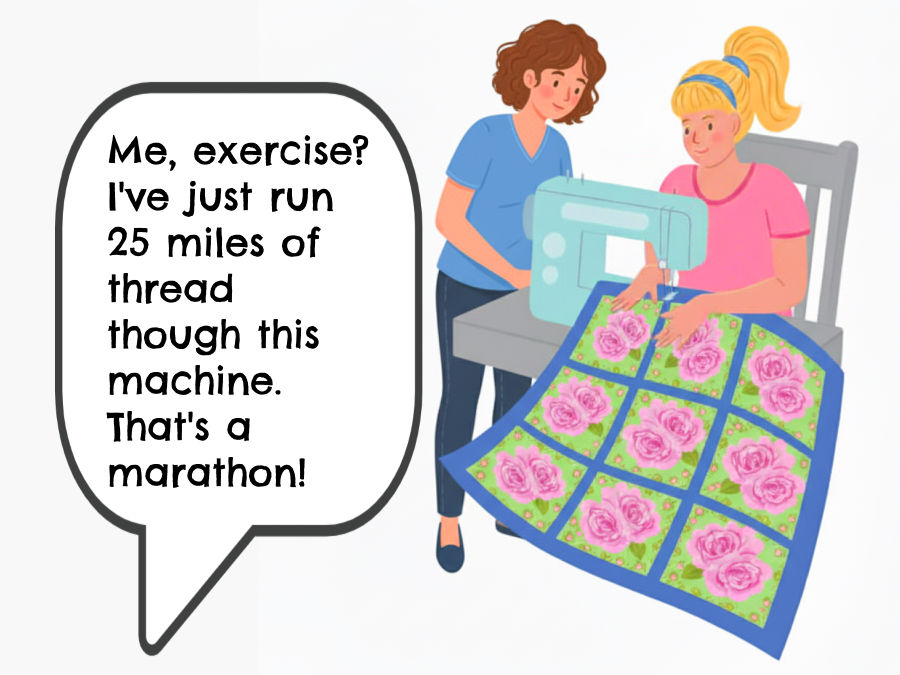
Here’s a radical concept: you’re more important than your projects. Your well-being matters more than perfectly matched stripes. You deserve the same careful attention you lavish on your handmade creations. Take breaks, rest, stretch, recharge—because the world needs you healthy and happy. The more you care for yourself, the more love you’ll naturally sew into everything you make.
✅ Related tutorial: I started a 10-minute sewing project yesterday. I hope to finish it tomorrow.
✂ ⋯ ⋯ ⋯ ⋯ ⋯ ⋯ ⋯ ⋯ ⋯ ⋯ ✂
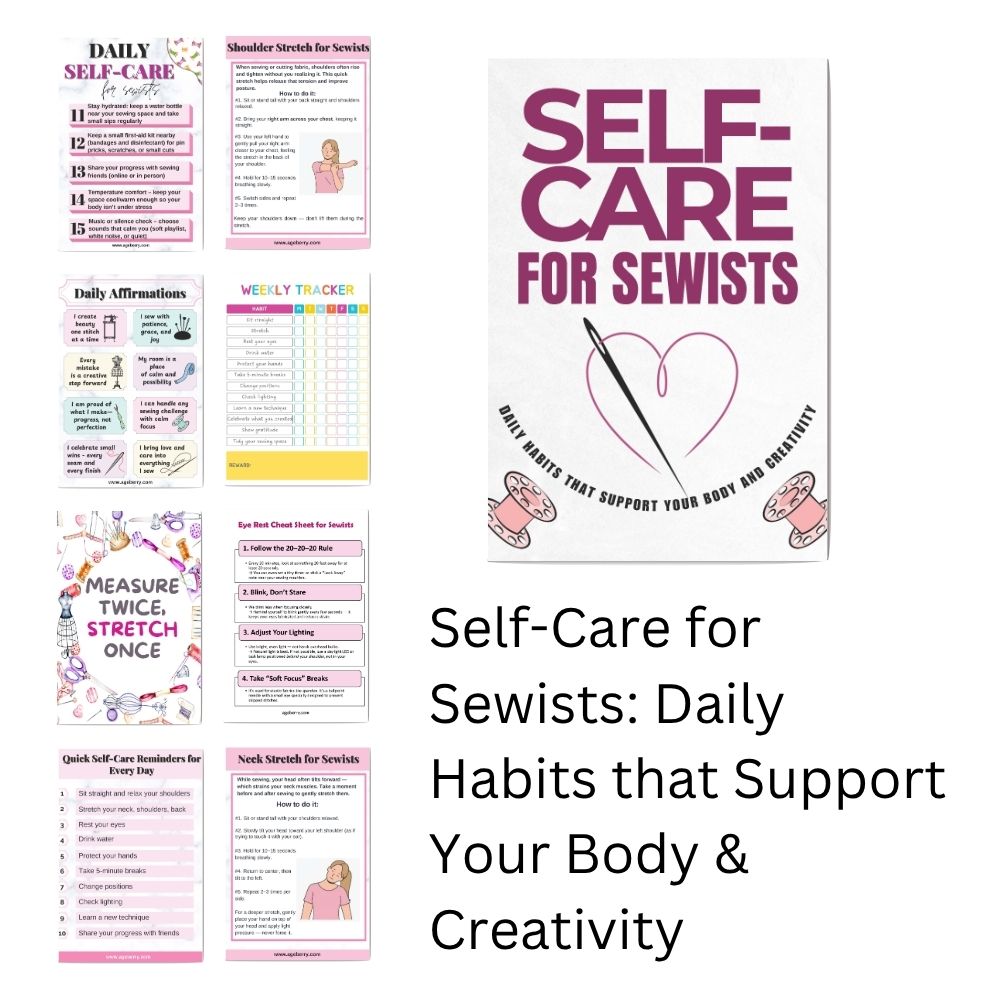
Self-care isn’t separate from sewing — it’s woven right into it. The more you nurture your body and mind, the more fulfilling your sewing becomes. If you’re ready to bring that balance into your creative routine, my Wellness for Sewists Kit is a gentle starting point — filled with stretch guides, affirmations, gratitude pages, and daily reminders designed just for sewists like you.
If you found this article helpful, save this pin below to your sewing board so you can come back to it anytime you need a reminder to care for yourself (not just your sewing machine!). And don’t forget to follow me on Pinterest for more helpful sewing tips, tutorials, and creative inspiration

latest posts
- Knit Presser Foot: How It Works, How to Use It, and My Sewing Tests
- How to Sew Neat Mitered Corners at Acute Angles
- Sewing Machine Needle Organization: A Clever System I Tried
- DIY Car Armrest Organizer: Sewing Tutorial
- Easy DIY Potholder Sewing Tutorial: Better Shape, Better Grip, Smart New Design
- How to Buy a Sewing Machine (Even If You Already Have 10)
- 23 Kitchen Items That Belong in Your Sewing Room
- What Is a Sewing Machine Piping Foot And How to Use It
- Fixing Sewing Mistakes: Repair an Accidental Cut in Fabric