Heat Resistant Batting for Sewing: What It Is, How It Works, and What Makes a Difference
Heat resistant batting shows up in sewing tutorials all the time, but most tips don’t explain what actually makes one type work better than another. Some materials look similar, feel similar — and perform very differently once heat is involved.
That difference comes down to how the material is made.
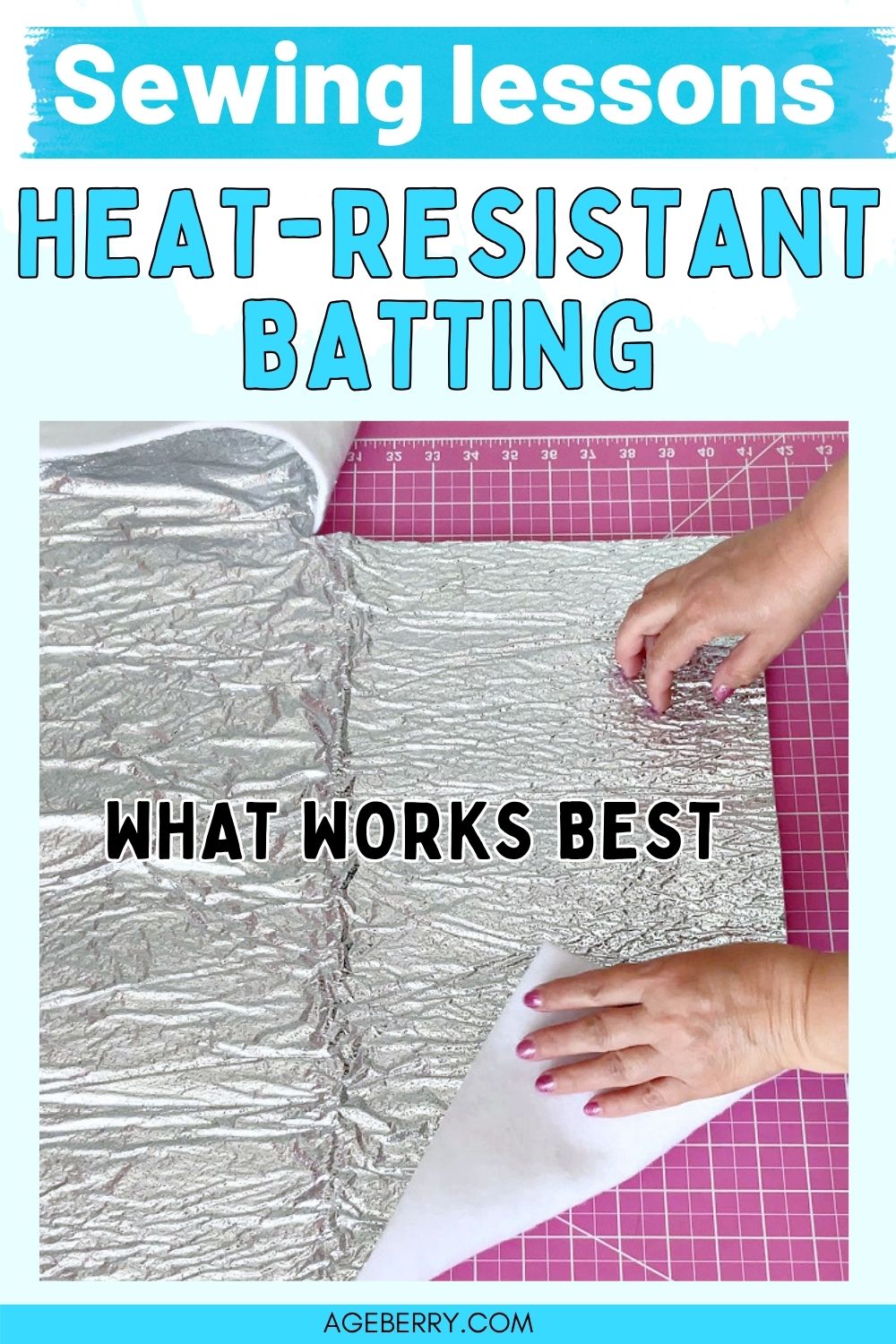
In this guide, I’ll break down the main types of heat resistant batting, how they work, and what to look for so you can choose the right one for your sewing projects.
What Is Heat Resistant Batting?
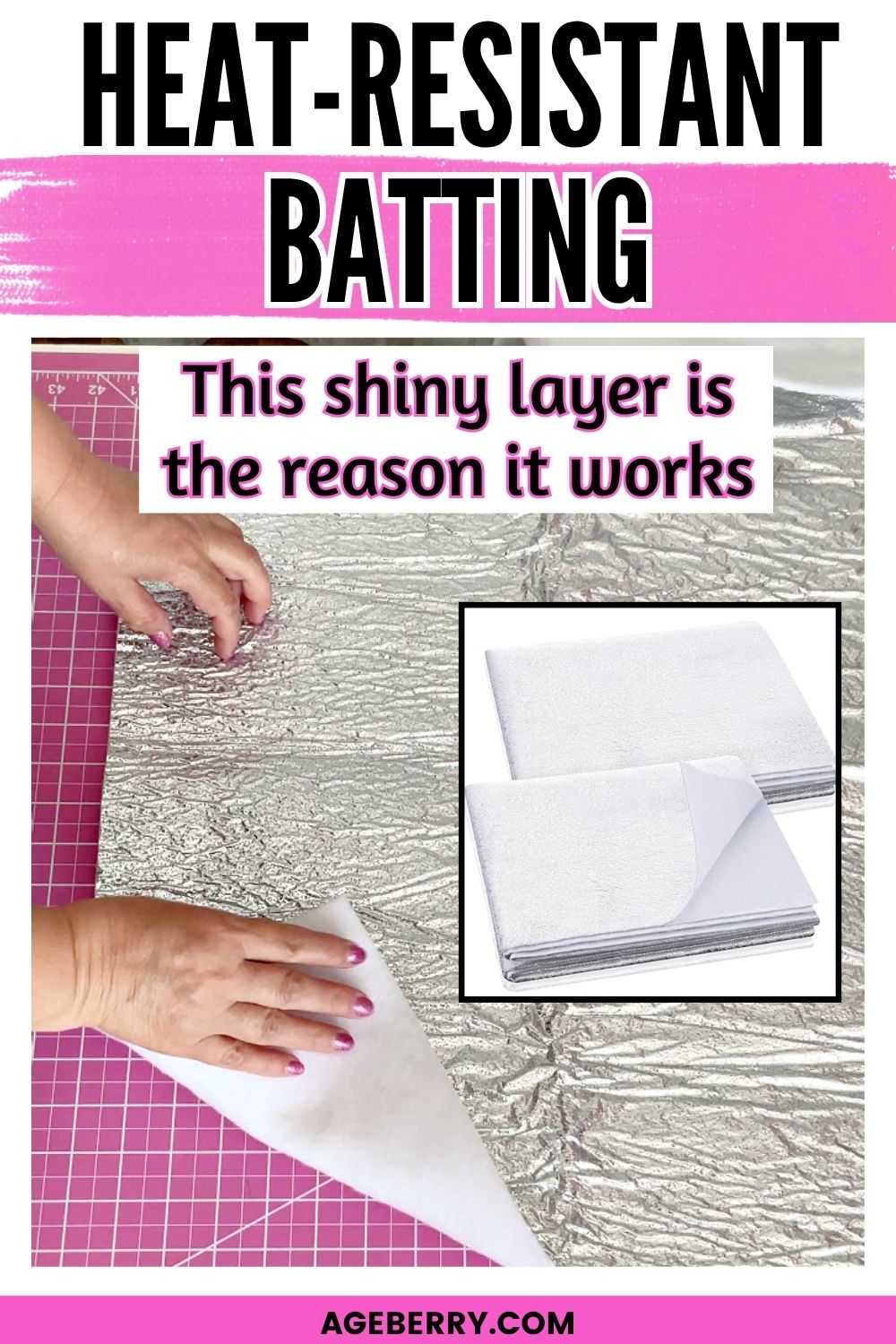
Heat resistant batting is designed to slow down heat transfer. That’s the key idea — not “block heat completely,” but delay it long enough so you don’t get burned.
Most of these materials work in one (or both) of these ways:
- Trap air (air is a natural insulator)
- Reflect heat back (usually with a metallic layer)
Some are made for high heat (like potholders), others are better for moderate heat (like ironing mats or casserole covers).
✅ Related tutorial: Heat and Flame Resistant Fabrics 101
I made a small project using this kind of material (heat resistant batting) and the how-to is available for a small fee in my shop. More details here Easy DIY Potholder: New Design.
Note: Some of the links on this page are affiliate links. This means I will receive a commission if you order a product through one of my links. I only recommend products I believe in and use myself.
#1. Insul-Bright Insulated Batting

Insul-Bright is the one most people use — and it’s popular for a reason. On Amazon, this exact product has over 3,500 five-star reviews, which tells you it’s been tested by a lot of real sewists, not just advertised well.
It’s a needle-punched batting made from hollow polyester fibers combined with a reflective metallized polyester film.
That means it works in two ways at the same time:
- the hollow fibers slow heat transfer (insulation)
- the reflective layer bounces heat back
So instead of relying only on surface reflection (like many cheaper options), it gives you a more balanced protection — slower heat buildup plus reflection.
It doesn’t add much bulk, and it’s easy to cut and quilt.
What You Can Use Insul-Bright For
The manufacturer groups the uses into a few categories:
Conserve Body Warmth
Projects designed to keep heat close to the body:
- coats and jackets
- vests
- ski apparel
- gloves and mittens
- hats
- slippers
Home Comfort
Items that help insulate your home:
- water heater wraps
- window shades
- vent covers
- fireplace covers
- draft stoppers
- pet door covers
Bedding Projects
Anything related to warmth in bedding:
- comforters
- mattress covers
- sleeping bags
- water bed covers
- quilts
Creative Projects
This is where most sewing projects fall:
- hot pads
- oven mitts
- tea cozies
- casserole covers
- outdoor stadium cushions
- lunch bags
- place mats
- table runners
- picnic baskets
This list really shows something important:
👉 Insul-Bright isn’t just for “heat protection” — it’s for temperature control in general (keeping heat in or out).
That’s why you’ll see it used in everything from winter clothing to lunch bags, not just kitchen sewing.
One important detail (and this shows up in both the listing and reviews):
👉 it’s heat-resistant, not heat-proof.
Even the manufacturer recommends using at least one layer of cotton batting with it for high-heat projects.

What People Consistently Like about It
From thousands of reviews, the same points come up again and again:
- reliable, consistent quality
- easy to sew and cut
- good insulation for everyday kitchen use
- works well when layered properly

What Does Needle-Punched Mean?
Needle-punched (or needlepunched) means the fibers are held together mechanically, not glued.
Here’s what actually happens: Special machines use thousands of tiny needles with barbs. These needles go up and down through loose fibers and tangle them together, locking them into a stable layer.
No glue. No resin. Just fibers hooked into each other.
This process gives batting like Insul-Bright some very practical advantages:
- Soft and flexible – not stiff or plasticky
- Breathable – air can still move through the fibers
- Stable – fibers don’t shift around much
- Easy to sew – behaves more like fabric than foam
That’s why needle-punched batting feels different from some cheaper thermal layers that are bonded with adhesives.
- Needle-punched → fibers are physically tangled together
- Glued/bonded → fibers are stuck together with chemicals
👉 For sewing projects (especially quilting and potholders), needle-punched usually feels nicer and handles better at the machine.
Important Details Some People Miss
- There is no right or wrong side
You don’t have to worry about orientation—the reflective layer works either way. - Not for microwave use
This is critical because of the metallized layer. - Cover before ironing
Don’t put a hot iron directly on it—always have fabric on top. - It’s machine washable and dryable
And it’s designed not to break down with washing.
2. Poly-Therm Heat Reflective Fleece

This one works a little differently — and people often misunderstand how to use it.
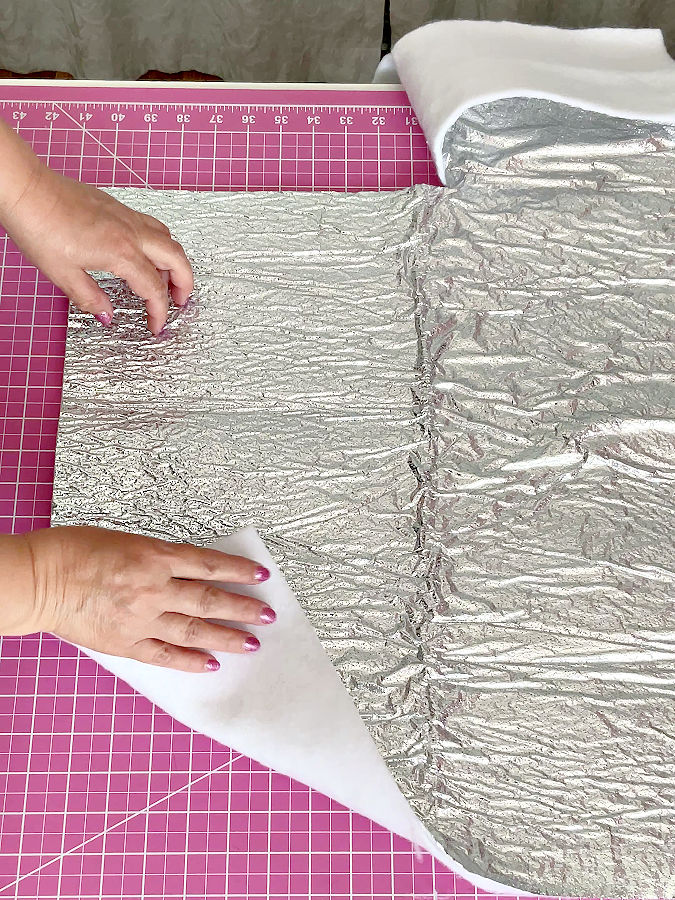
It has:
- a soft white fleece side (for sewing/quilting)
- a metallic reflective side (to reflect heat)
Important detail:
It’s designed as a liner, not a direct heat barrier.
What it does well:
- Reflects heat back toward the source
- Adds insulation for both hot and cold
- Gives nice loft for quilting
But here’s the catch:
- It should not touch hot surfaces directly
So for potholders or oven mitts, you still need:
- cotton layers on the outside
- proper construction
Think of it as a helper layer, not your only protection.
✅ Related tutorial: Brother Luminaire Tutorial: How To Make A Mug Rug In The Hoop
3. Budget Heat-Resistant Batting (The “No-Name” Options)
You’ll also notice that there are many other heat-resistant battings on the market besides the well-known brands. These are often sold under different names (or no real brand at all), especially on marketplaces like Amazon and eBay.
Most of them are made from a similar combination of aluminizer and polyester, and they’re designed for the same purpose — potholders, oven mitts, bowl cozies, and other insulated sewing projects.
The big difference is usually the price. These options are often more budget-friendly, especially when you get multiple pre-cut pieces in one package.
And honestly — some of them are quite good.
If you read the reviews, you’ll see that many sewists are happy with:
- how easy they are to cut and sew
- how lightweight they feel
- and how well they work when layered properly
Of course, quality can vary more compared to established brands, so it’s a bit of a “try and see what works for you” situation.
👉 But if you’re looking for a budget option for potholders, these no-name battings are definitely worth trying.
Treela heat-resistant batting is one of those newer “no-name” options that works similar to traditional batting like Poly-Therm.
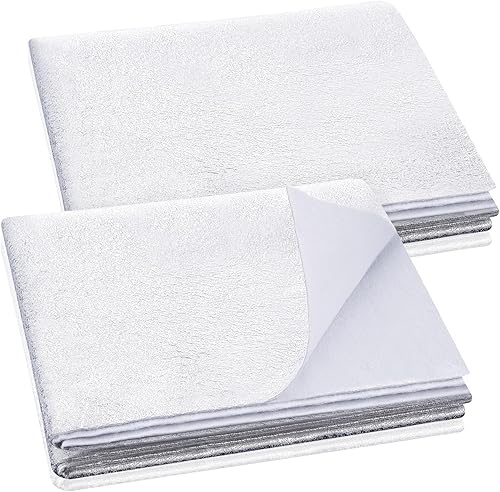
It’s also made with two working layers: a batting layer and an aluminizer layer. So it is not just a thin reflective sheet. The batting layer adds soft insulation and gives the material some body, while the aluminizer layer helps reflect heat away from your hand. It can be used for potholders, oven mitts, hot pads, casserole carriers, and similar kitchen sewing projects.
It’s easy to sew through. Use it with 100% cotton fabric.

JIYUANCH heat-resistant batting is very similar in concept to the Treela one. According to the listing, it’s made from a combination of aluminizer and polyester, so it has two working components: a soft batting layer for insulation and a reflective layer that sends heat back toward the source . That combination is what gives it both structure and heat resistance — it’s not just thin foil, but it’s also not fluffy like traditional quilt batting.
The material is described as lightweight, easy to cut, and easy to shape, which matters a lot for small projects like potholders where bulky layers can shift or fight you under the presser foot. It’s also marketed as stable (less shifting and bearding), which suggests the layers are bonded well enough to stay in place during quilting.
Use it as a middle insulating layer, and pair it with 100% cotton fabrics on the outside.
Final Thoughts
No batting makes fabric completely heat-proof.
What you’re really doing is:
- buying time
- reducing heat transfer
- protecting your hands long enough to move the item safely
And layering is what makes that work.
If you’re making potholders, oven mitts, or anything that deals with heat, don’t treat batting as an afterthought.
It’s not just “filling.” It’s the part that decides whether your project is actually usable.
Found this guide helpful? Save the pin below to your sewing board so you can find these heat resistant batting tips again when you need them. And follow me on Pinterest for more sewing ideas, tutorials, and practical tips.

latest posts
- Knit Presser Foot: How It Works, How to Use It, and My Sewing Tests
- How to Sew Neat Mitered Corners at Acute Angles
- Sewing Machine Needle Organization: A Clever System I Tried
- DIY Car Armrest Organizer: Sewing Tutorial
- Easy DIY Potholder Sewing Tutorial: Better Shape, Better Grip, Smart New Design
- How to Buy a Sewing Machine (Even If You Already Have 10)
- 23 Kitchen Items That Belong in Your Sewing Room
- What Is a Sewing Machine Piping Foot And How to Use It
- Fixing Sewing Mistakes: Repair an Accidental Cut in Fabric