10 Types of Buttonholes: How to Choose the Right One and Avoid Common Mistakes
I was browsing sewing machines on Amazon the other day, and nearly every listing seemed to boast about buttonholes. Six types. Eight types. Ten types. Sewing machine brands clearly think this matters a lot, so it is worth asking why.
Those buttonhole options are not there just to fill a feature list. Each type is meant for a different job. One may work well on a blouse, while another suits a thick coat front. One may help with a shank button, while another is better for soft fabric that puckers too easily. If you want to get the most from your sewing machine, it helps to know what those buttonhole types are and when to use each one.
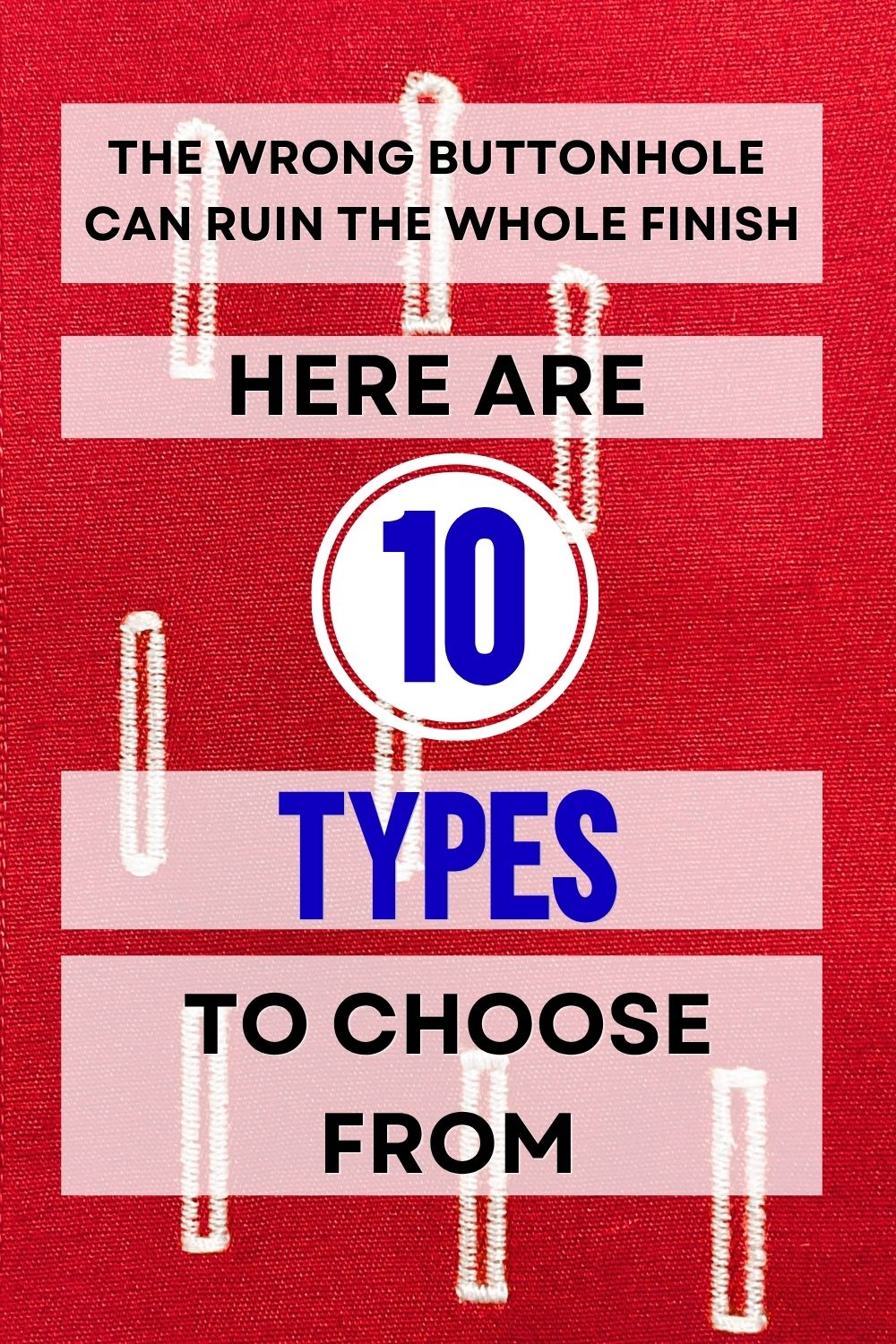
This guide covers 10 types of buttonholes, but the main focus is not the names alone. Most sewists do not sit down and think, “Today I would like to admire a catalog of buttonholes.” They want answers to the real problems. Why does the fabric ripple? Why does the button slip out? Why does the coat front strain? Why does a delicate blouse suddenly look bulky?
So here are 10 types of buttonholes, paired with the problems they solve and the trouble they can prevent.
Why Buttonholes Go Wrong
Many buttonhole problems start long before the machine begins to stitch. The real issue is often one of these:
- the wrong buttonhole type for the fabric
- weak stabilization
- the wrong direction
- a button that is too thick for the opening
- fabric that frays, stretches, or shifts more than expected
This is why the same machine setting can look fine on one project and dreadful on another. A crisp cotton shirt and a thick wool coat do not want the same treatment. A knit cardigan behaves very differently from a silk blouse. Buttonholes make that very clear.
#1. Standard Rectangular Buttonhole
The standard rectangular buttonhole is the most common machine-made buttonhole, and it is usually sewn with a dense satin stitch. You may also see it called a squared buttonhole because both ends are straight and squared off rather than rounded. That simple shape works well for many everyday garments, which is why sewing machines almost always include it as a basic option.
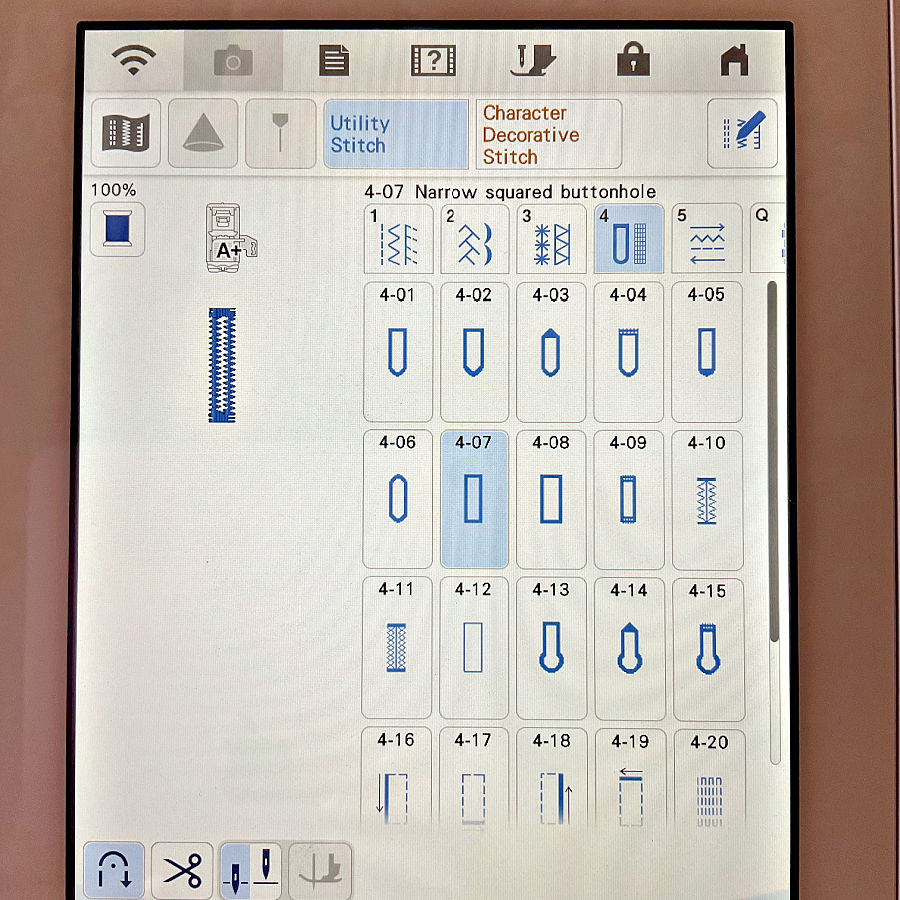
Its biggest strength is flexibility. You can adjust the length to match the button, the width of the satin stitches, the width of the opening itself, and even the thread, depending on the fabric and the look you want. That makes this buttonhole useful on a wide range of projects.
With the right settings and proper stabilizing, it can work on shirts, dresses, skirts, children’s clothes, and light jackets. In many cases, it is the buttonhole people use most simply because it can be adapted so easily.
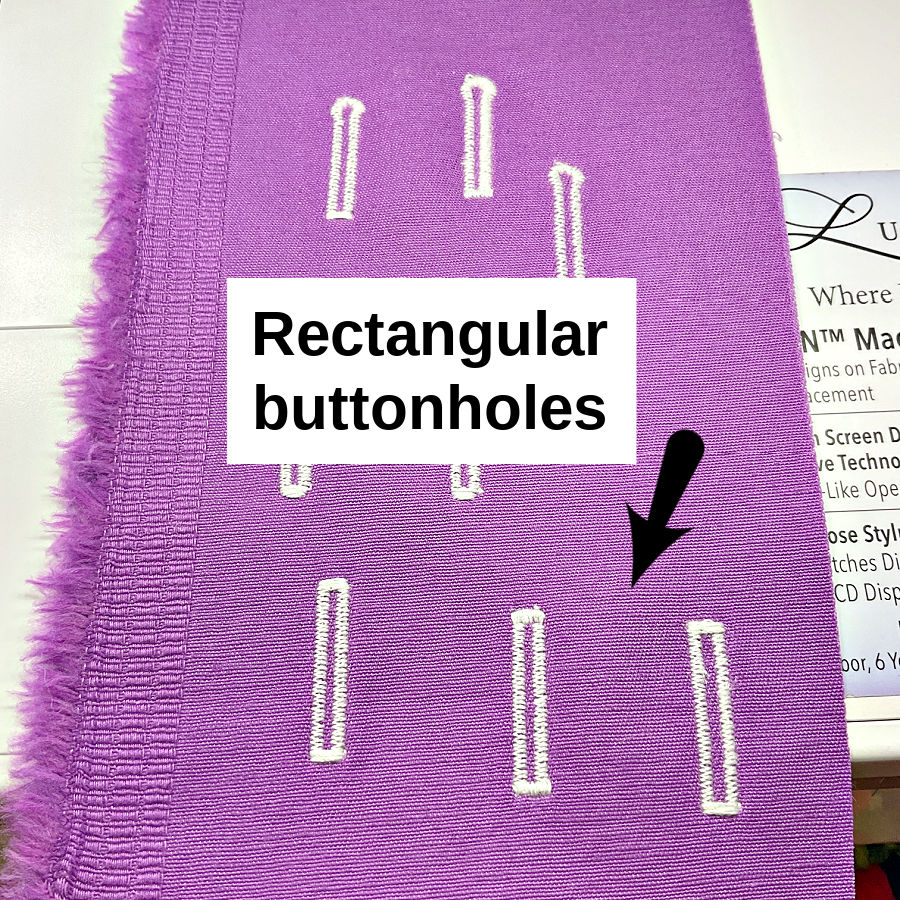
This type solves a very practical problem: you need a neat, reliable buttonhole that works for many fabrics without a lot of fuss. It is a solid choice for stable woven fabrics, and it can also work on other fabrics if the area is supported well.
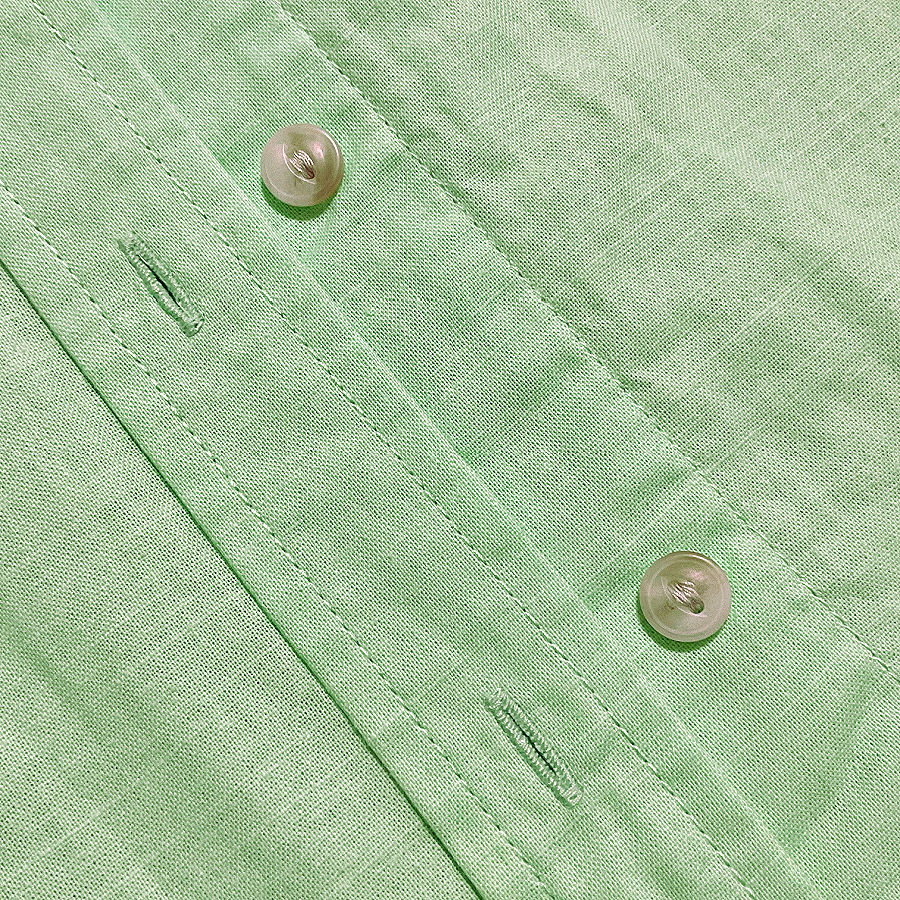
Its weakness shows up with thick buttons or buttons that have a pronounced shank. Those buttons often need more room at one end so they can sit comfortably without straining the fabric. A rectangular buttonhole can feel a bit cramped in that situation. It may still function, but it is not always the best match.
Note: Some of the links on this page are affiliate links. This means I will receive a commission if you order a product through one of my links. I only recommend products I believe in and use myself.
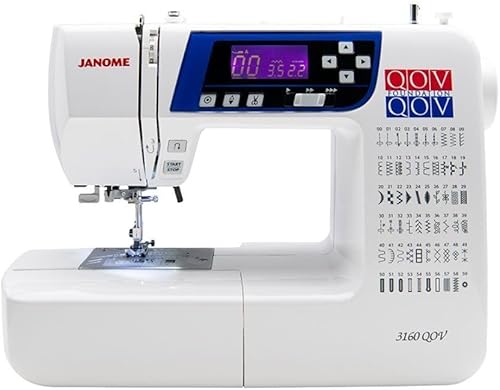
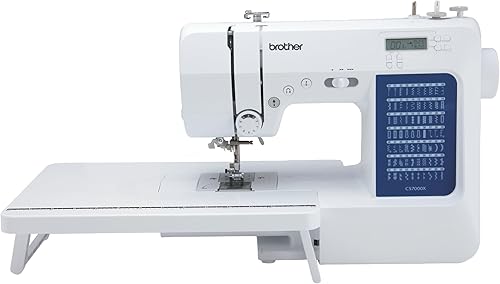
Below are some sewing machines from Amazon that are worth a look if better buttonholes are high on your wish list.


✅ Related tutorial: Sewing Machine Buttonhole Troubleshooting (With Video!)
#2. Rounded-end Buttonhole
The rounded-end buttonhole is a softer-looking variation of the standard rectangular buttonhole. You may see it with one rounded end or both ends rounded, depending on the machine and the purpose of the buttonhole.
That rounded shape is not just decorative. It can fit more comfortably around a button shank, which gives the button a better place to sit and can reduce strain at the end of the opening.
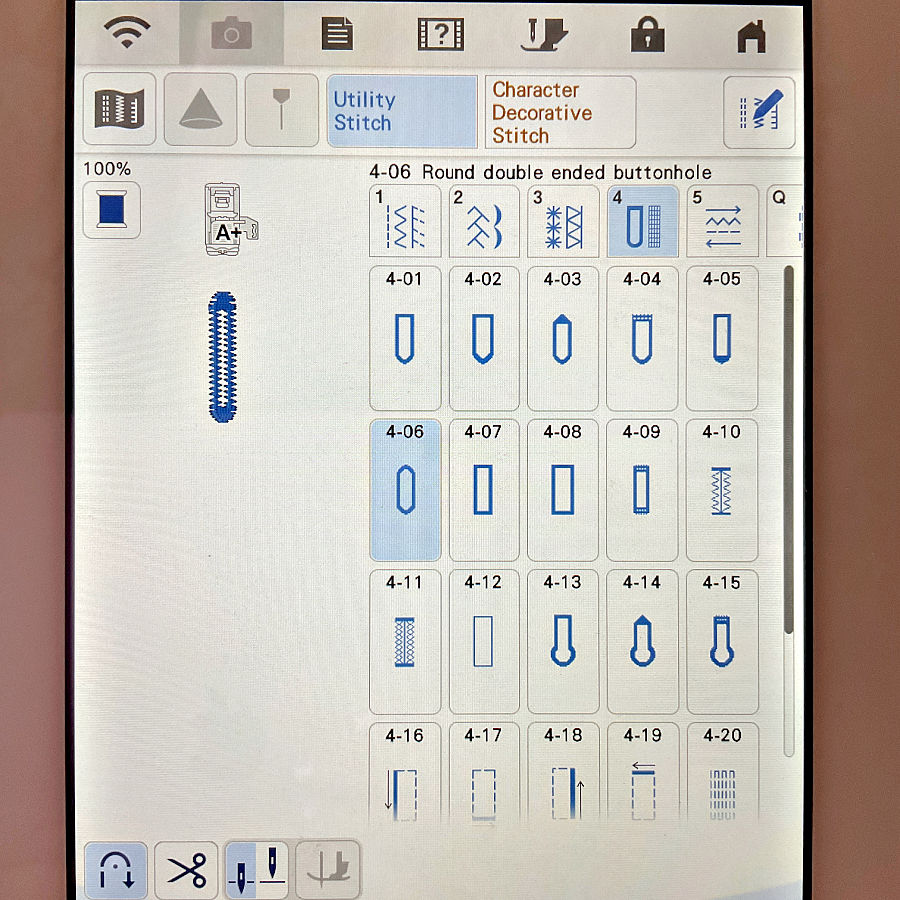
This type is especially nice on lightweight fabrics because it looks gentler than a squared buttonhole. On a delicate blouse or dress, a rounded-end buttonhole can feel more in tune with the fabric. It does not have that crisp, boxy look that sometimes seems a bit too firm for soft materials. If you choose the right length, the right stitch width, and the right thread, it can look very refined, especially when paired with a shank button.
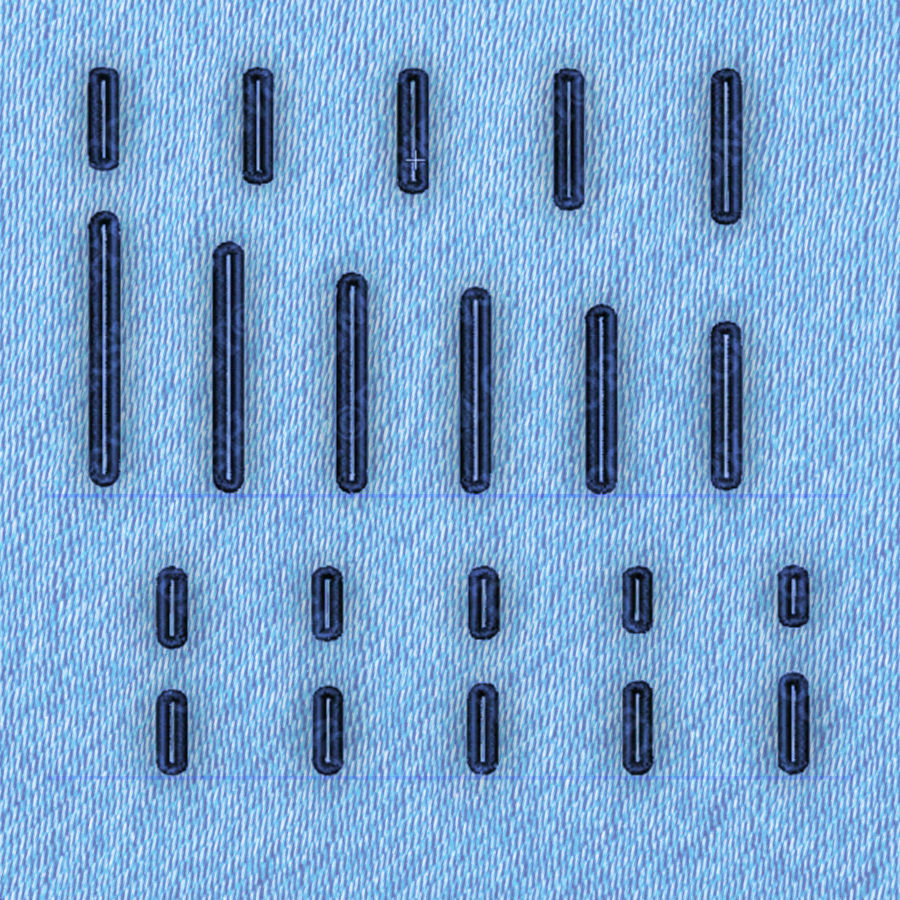
That said, rounded-end buttonholes are not limited to light fabrics. They can also be used on heavyweight fabrics if you adjust the settings properly and choose a suitable thread. The stitch density, width, and thread weight all matter here. A heavier fabric may need a sturdier setup, while a light fabric usually looks best with a finer, more delicate finish.
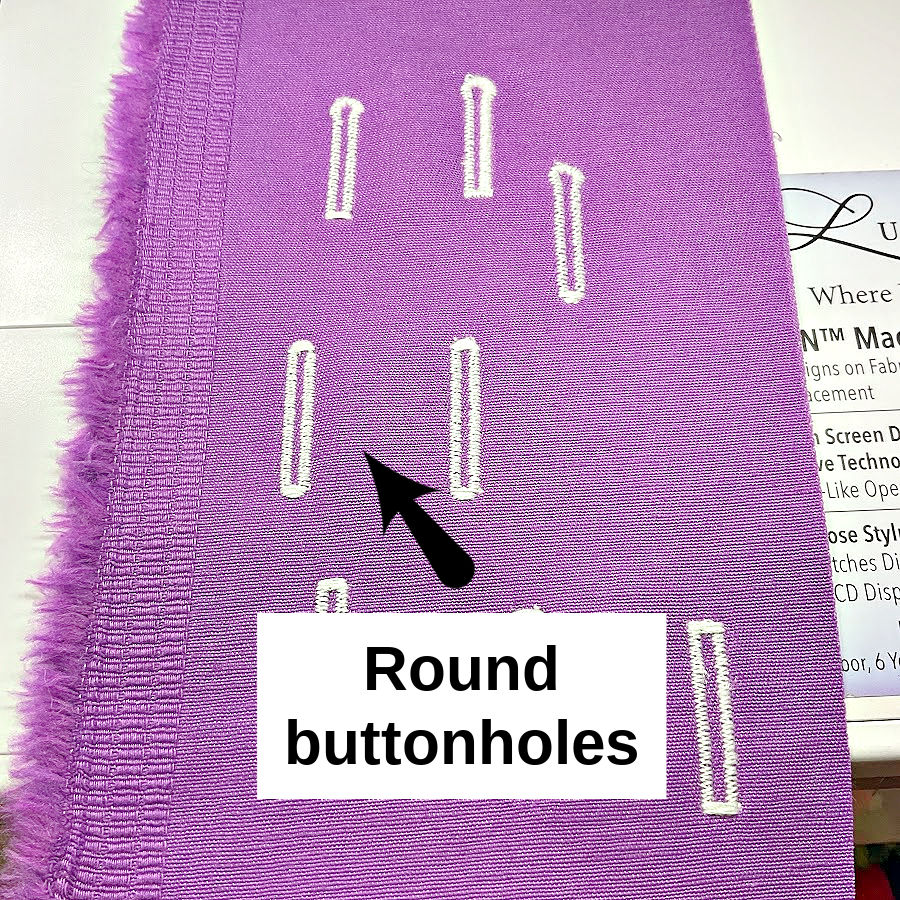
This buttonhole solves a useful problem: you want a closure that looks softer than a squared buttonhole and that works well with buttons that need a little more room at the end. It is a good choice when appearance matters as much as function, and it can be surprisingly versatile once you start adjusting it for different fabrics and buttons.
✅ Related tutorial: Buttonhole Presser Foot 101: What It Is And How To Use A Buttonhole Foot To Create Nice Buttonholes
If you want nice buttonholes on shirts, blouses, jackets, and knit projects, these Amazon sewing machines are a good place to start.

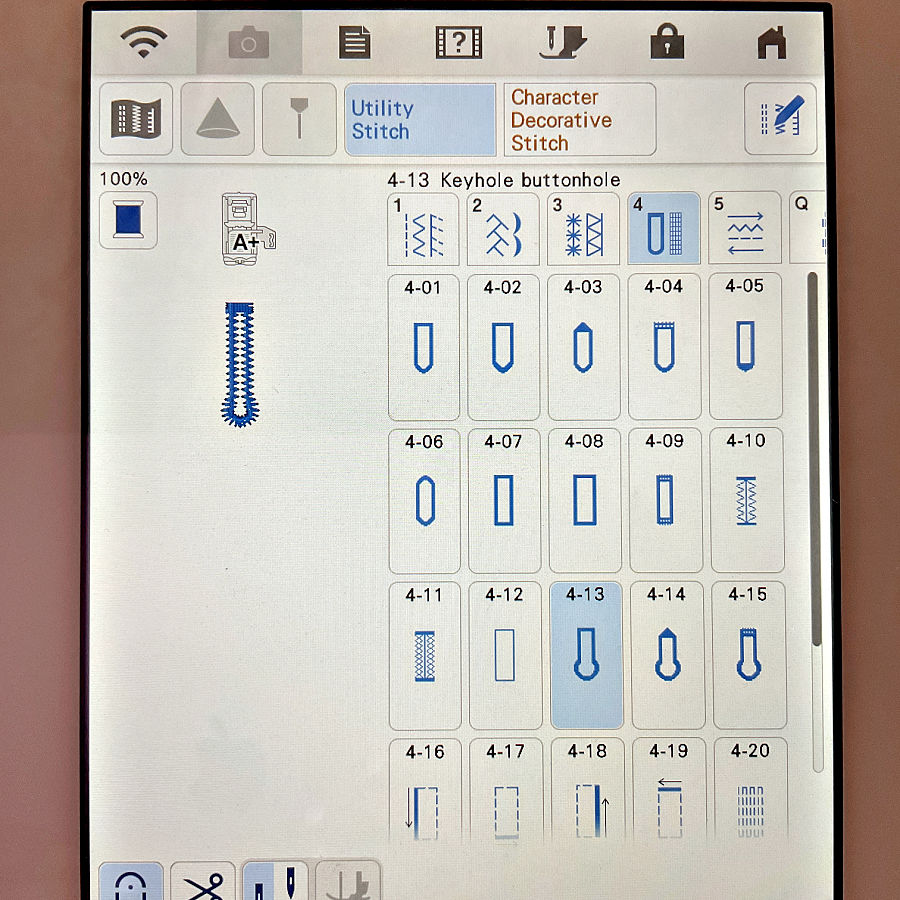
#3. Keyhole Buttonhole
The keyhole buttonhole is a classic choice for jackets, coats, and tailored garments. The rounded part has a diameter larger than the width of the parallel stitched sides, which is what creates that extra room for the button shank.
It solves a very specific problem: “My coat button feels crammed into the buttonhole, and the fabric strains around it.”
This type works well with thicker buttons or buttons with shanks. That rounded end is there for a reason. It gives the button a place to rest, rather than forcing it into a narrow slit and asking the fabric to be brave about it.
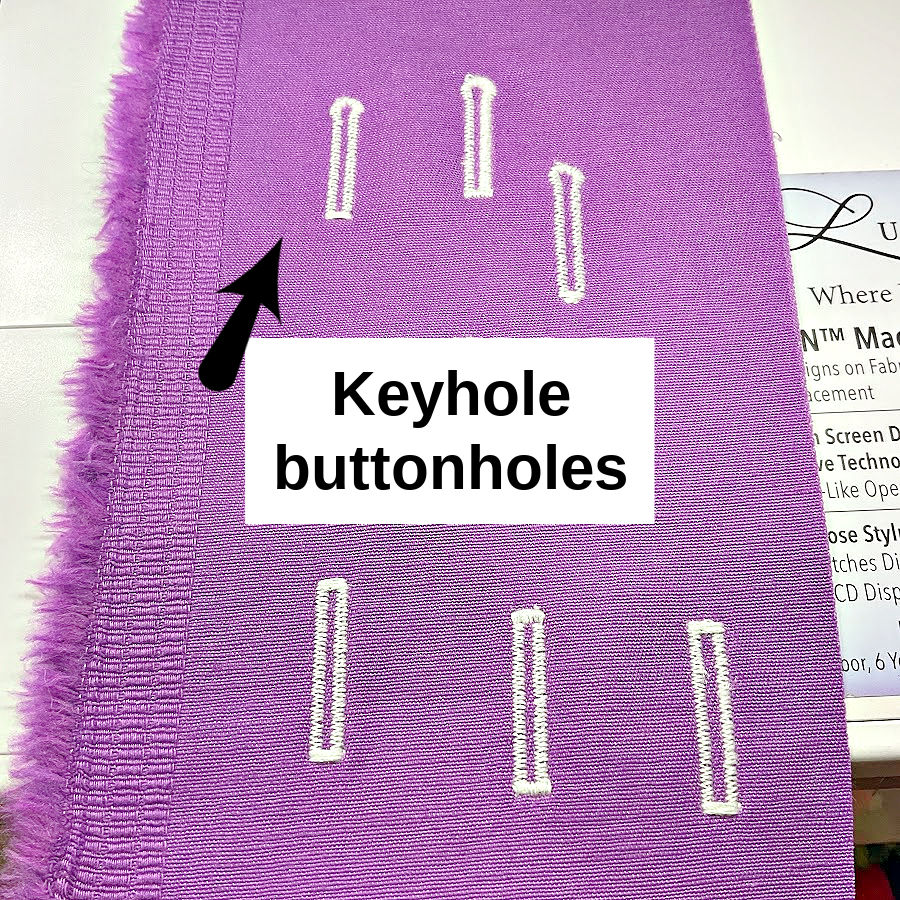
There can also be a few variations of this type. Some keyhole buttonholes have bartacks at the opposite end, while others finish with a so-called fishtail end. These small shape differences do not change the main purpose of the buttonhole, but they do affect the look and sometimes the way the stress is distributed across the opening.
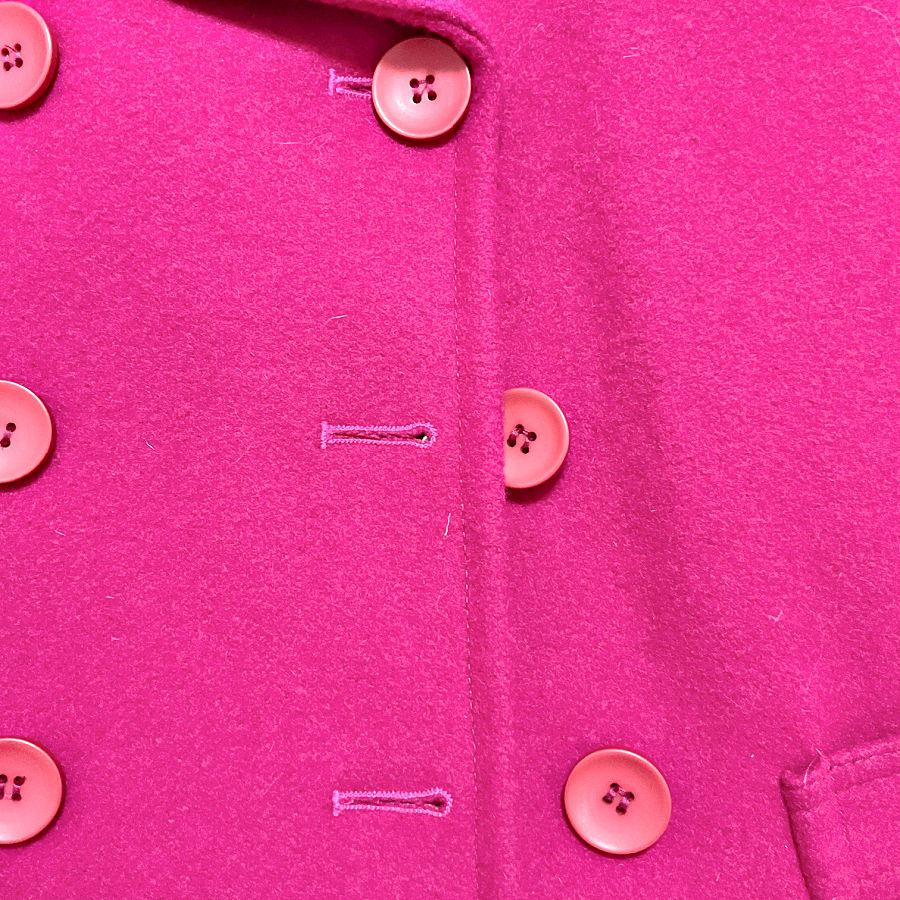
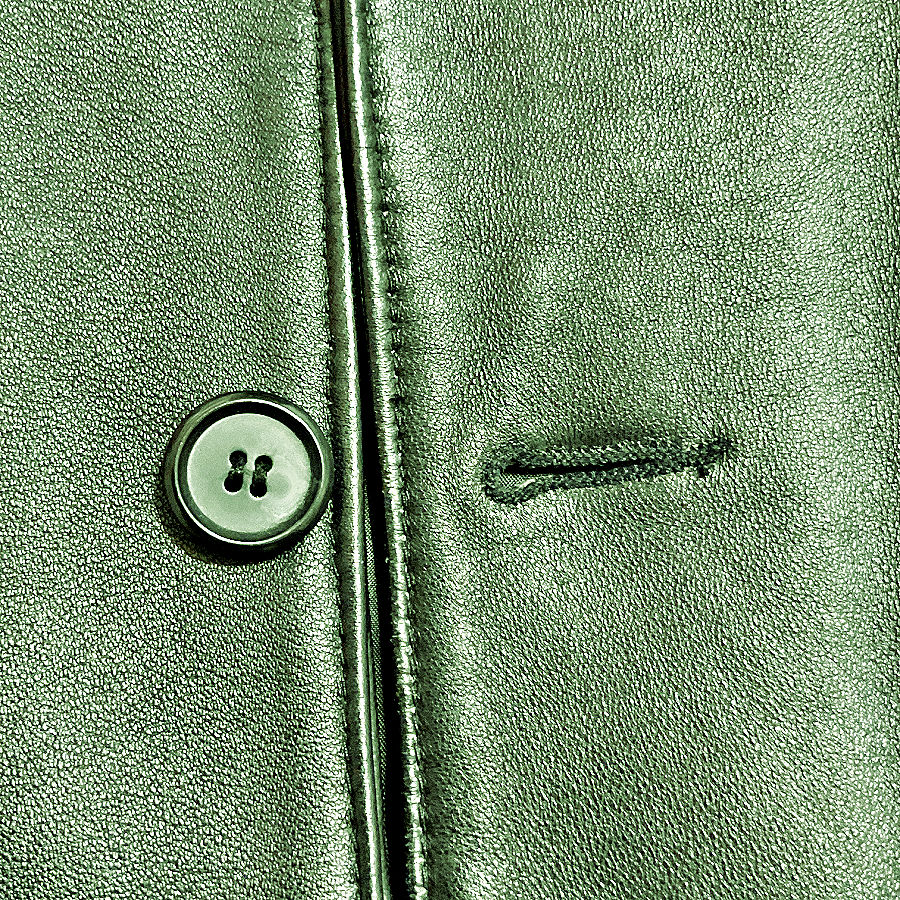
A keyhole buttonhole looks strong and purposeful. It suits wool, coating, denim, and other heavier fabrics. It also looks right on garments that need a tailored finish.
On a fine blouse, though, it can look oversized. A buttonhole should not seem as if it arrived from a coat and wandered onto a camisole by mistake.
Use a keyhole buttonhole for stress areas and thicker buttons. It often makes coat fronts behave much better.

#4. Stretch Buttonhole
Knits bring their own little collection of surprises. They stretch, roll, shift, and sometimes behave very nicely right up to the moment they do not. That is where a stretch buttonhole earns its place.
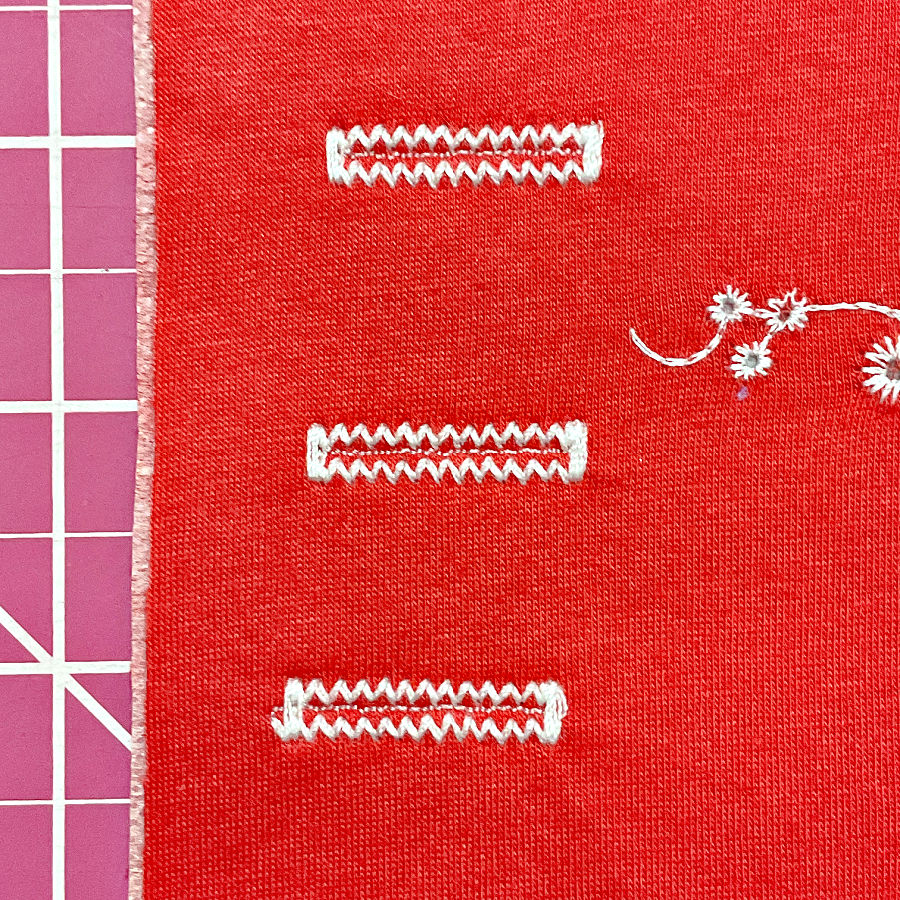
A stretch buttonhole is usually a rectangular buttonhole sewn with a zigzag stitch rather than a dense satin stitch. The zigzag shape allows the buttonhole to move with the fabric more easily. This makes it a good choice for fabrics with stretch, such as jersey, ponte, sweater knits, and even woven fabrics that contain spandex.
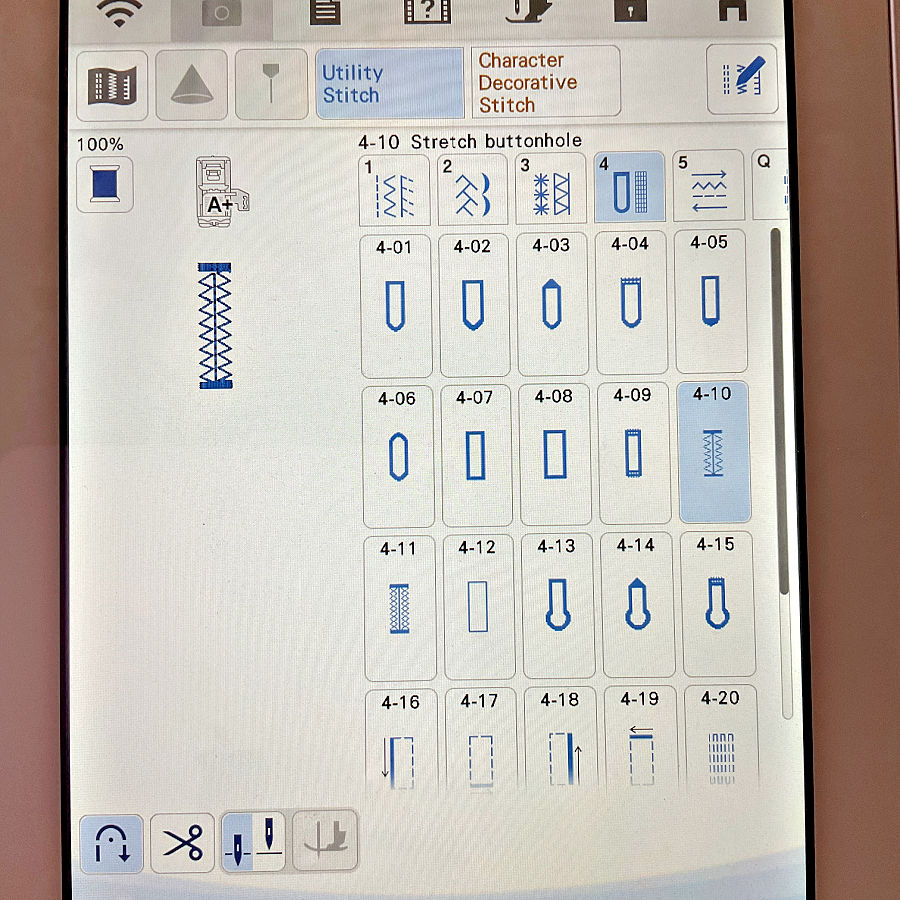
That extra flexibility helps the stitching accommodate fabric movement better than a standard buttonhole would. But this does not mean the button area can be left on its own. Stretch fabrics still need support. The buttonhole area usually needs stabilization with interfacing, tape, or another support layer so the fabric does not ripple or distort.
Without that support, the buttonhole can go wavy or grow wider after wear. Then the closure starts to look tired, and the button may not stay put as well as it should.
Use a stretch buttonhole when the fabric needs some give, but always pair it with proper stabilization. The zigzag stitch helps the buttonhole flex, while the stabilizer helps it keep its shape.
Many modern sewing machines include a stretch buttonhole option, but plenty of sewists either overlook it or never try it. That is a shame, because it can be very useful on knits and stretch fabrics. If your machine has this setting, it is worth learning how it works and testing it on scraps. It may solve problems that a standard buttonhole handles poorly.
#5. Corded Buttonhole
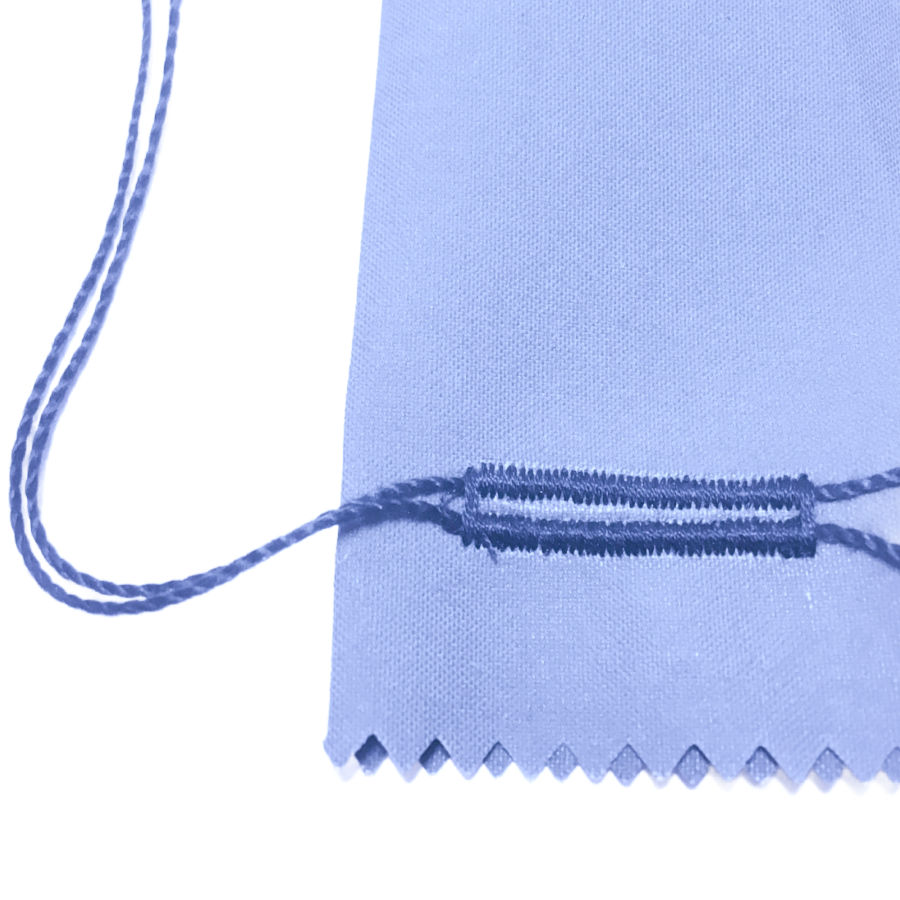
A corded buttonhole has an extra cord or gimp thread worked into the stitching. That added support gives the edges more body.
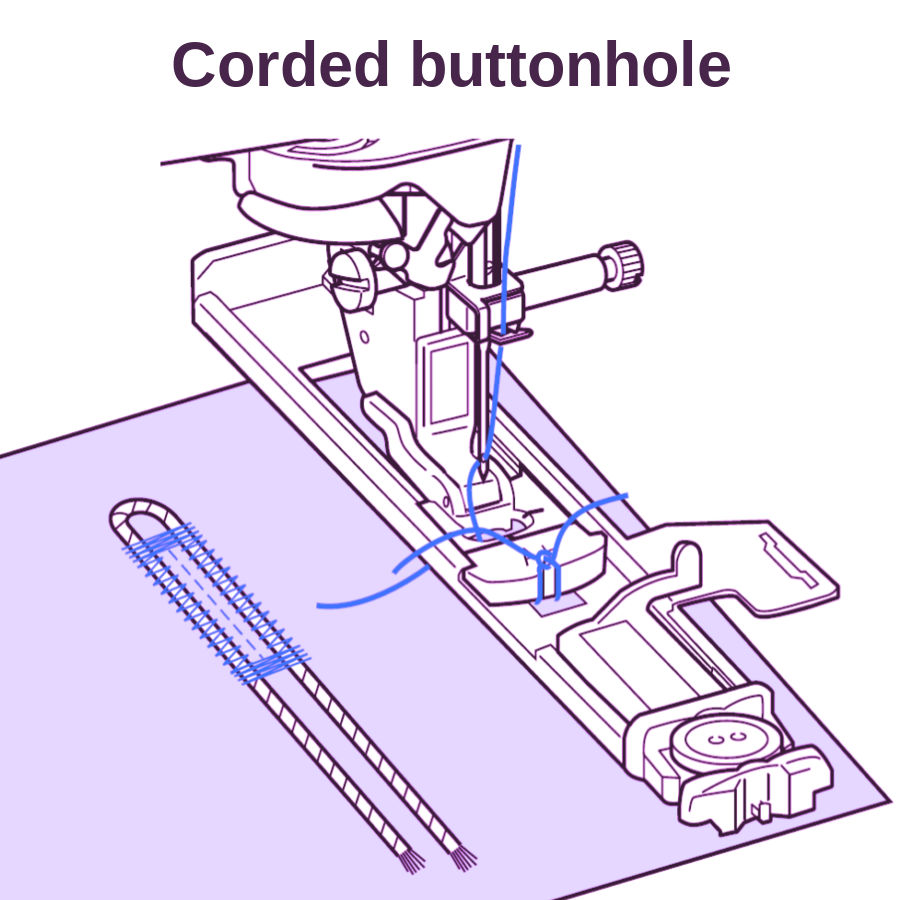
It solves this problem: “My buttonholes look weak and slightly collapsed.”
The cord does two useful jobs at once. It reinforces the buttonhole, which helps it hold up better under strain, and it also raises the profile of the stitched edge. That extra lift is especially helpful on thick fabrics or fabrics with a pile, where an ordinary buttonhole can sink in and almost disappear.
Corded buttonholes are very useful on fabrics that need extra help. Loosely woven fabrics, knits, and garments that will get a lot of wear often benefit from this type. The cord supports the stitched edge and helps the buttonhole keep its shape over time.
This can be a smart choice when a regular machine buttonhole looks flat or flimsy. The difference is often subtle in photos but quite obvious in real life. The edge looks firmer and more defined.
This type is also helpful when the garment will handle repeated strain, such as a jacket or dress that gets worn often. The buttonhole has more backbone, which is never a bad quality in sewing.
✅ Related tutorial: Buttonhole Basics and Beyond: Tools and Methods That Work
#6. Bound Buttonhole
A bound buttonhole is a tailored buttonhole made with strips of fabric instead of dense machine stitching around the opening. Those strips form neat finished edges, often called lips, which frame the buttonhole and give it a very polished look.
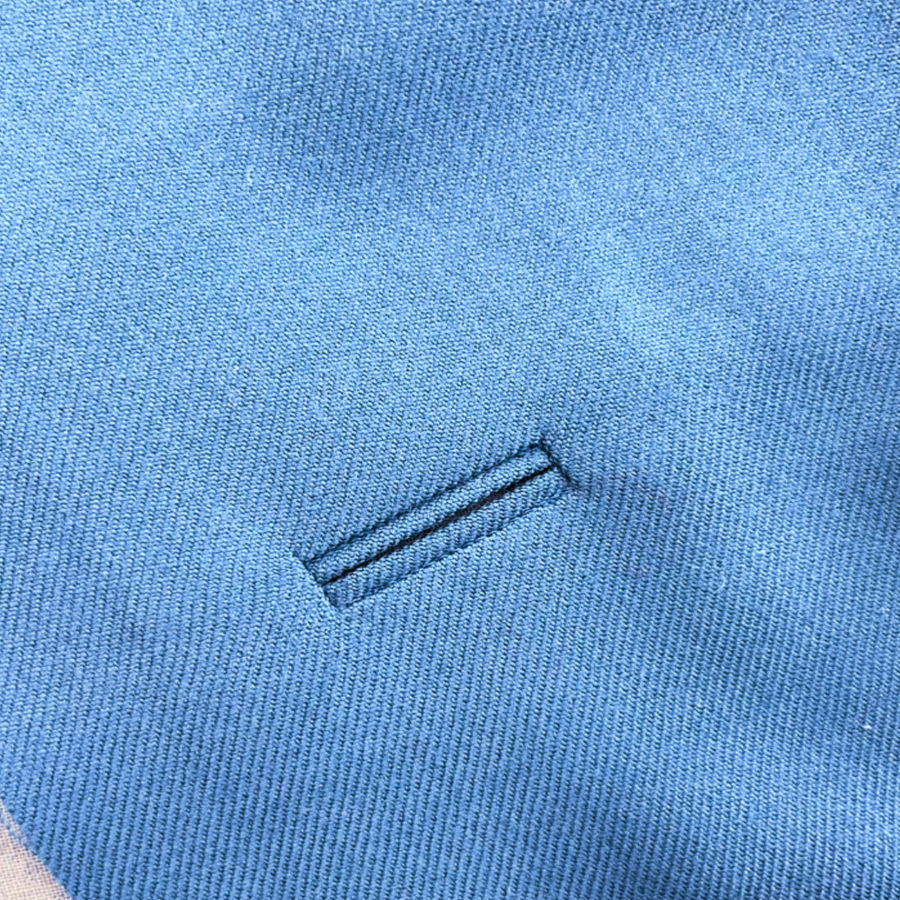
It is often used on jackets, coats, and other tailored garments, but it also suits special fabrics such as wool, silk, velvet, and leather. These fabrics do not always handle machine-made buttonholes well. A bound buttonhole can give a smoother, more refined finish.
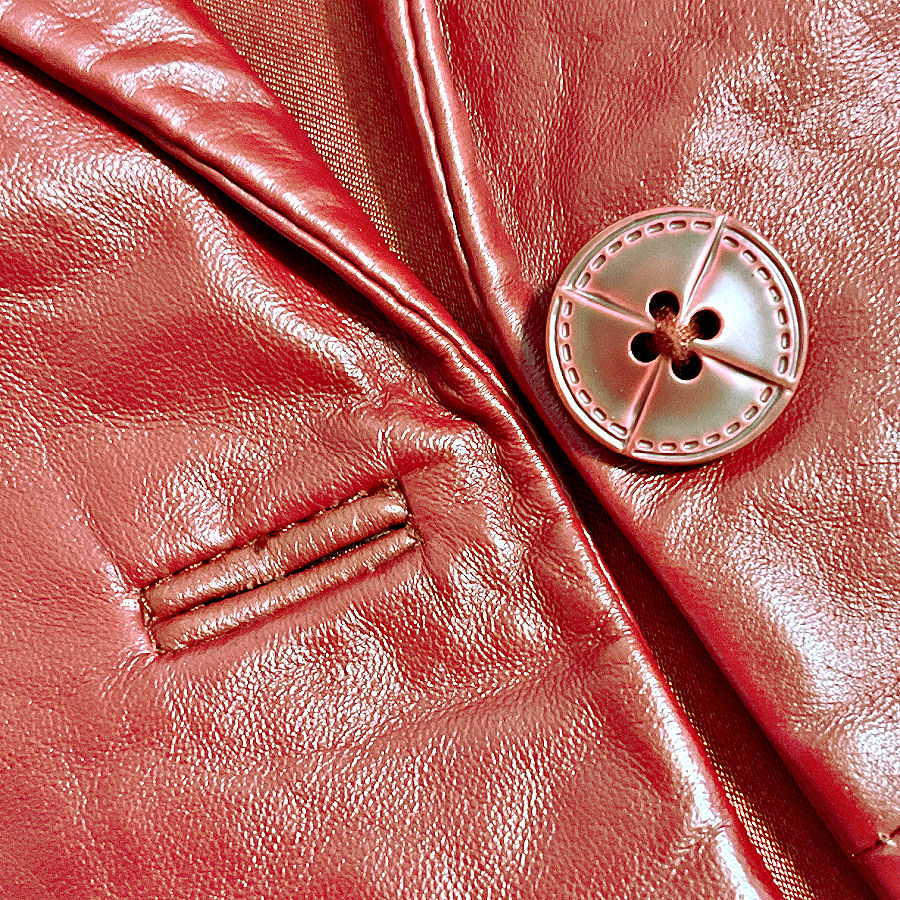
It is also a strong choice for fabrics that fray easily, because the opening is finished in a controlled and secure way. Instead of relying on dense stitches to hold the edges in place, the fabric strips enclose the opening neatly.
There are a few kinds of bound buttonholes. One of them is the piped buttonhole. In this version, cords are enclosed inside the fabric lips, which gives the edges a raised, rounded shape. This creates a more defined finish and a slightly more decorative look than a flat bound buttonhole.
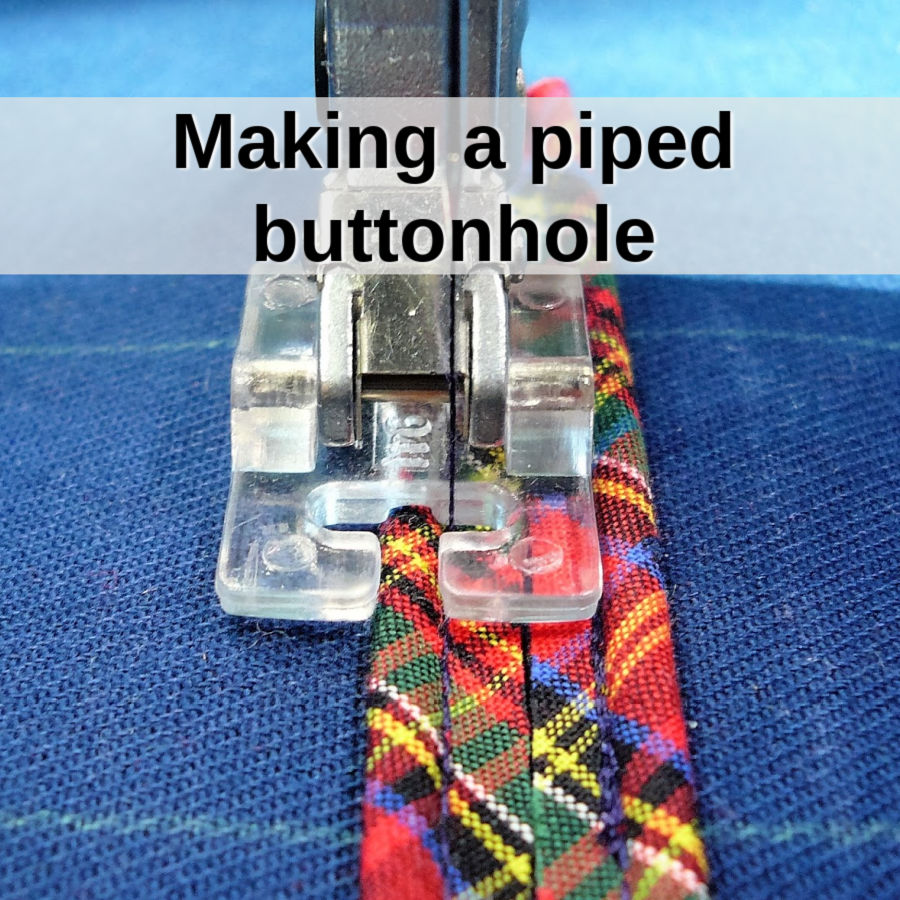
The main challenge with a bound buttonhole is accuracy. The marking must be exact. The stitching must be exact. The cutting must be exact too. A small mistake shows quickly, because the shape is so clean and structured.
Still, the result can be lovely. A well-made bound buttonhole has that “tailored garment” look right away.
#7. Hand-worked Buttonhole
A hand-worked buttonhole gives the sewist control that a machine sometimes refuses to provide. Some fabrics and some garment areas are simply stubborn.
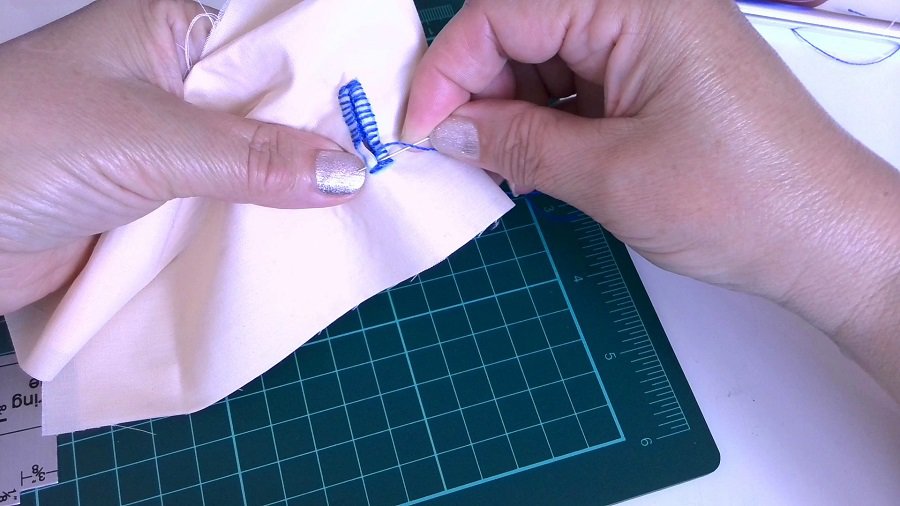
This type solves the problem: “My machine cannot make a neat buttonhole in this spot.”
That can happen near bulky seams, on curved areas, on very fine fabric, or on garments where the machine keeps producing the same messy result again and again. A hand-worked buttonhole takes more time, but it offers precision. You decide the stitch density, the shape, and the way the fabric is handled.
This type also has charm. It suits heirloom sewing, couture details, and garments where a handmade finish adds to the design. It is not just about rescue work, though it is quite good at that too.
There is something very satisfying about solving a machine problem with needle and thread.
If you would like to try this method, I have a detailed tutorial and a YouTube video that show the whole process step by step. You can find them in this guide – How to sew a buttonhole by hand.
#8. Embroidered Buttonhole
An embroidered buttonhole brings decoration into the picture. It is still a working buttonhole, but it also becomes part of the design.
It solves this problem: “My buttonholes function well, but they look plain or too harsh for the garment.”
This type suits heirloom sewing, fine blouses, children’s garments, lingerie, and special occasion wear. On these pieces, a plain machine buttonhole can look a bit abrupt. An embroidered buttonhole can soften the look and add charm.
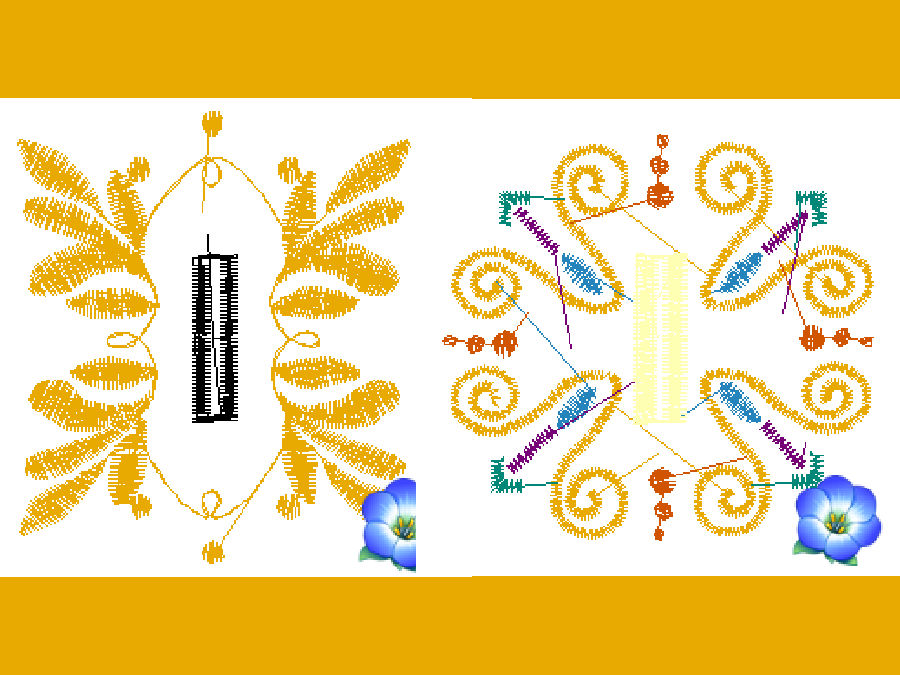
It can be worked by hand or stitched by embroidery machine, depending on the style of the garment. The goal is not just to hold a button. The goal is for the buttonhole to belong visually.
Still, this is not the best choice for every project. Heavy stress areas such as coat fronts or tight waistbands need strength first. Beauty matters, but function must still lead the conversation.
This type also needs support under the fabric. Dense decorative stitches can distort light fabric quite fast. The result can shift from “pretty detail” to “tiny overworked patch” if the area is not stabilized.
Use an embroidered buttonhole when the closure should look intentional and decorative.
If you enjoy decorative details, you can find hundreds of machine embroidery designs for buttonholes.
#9. In-seam Buttonhole
An in-seam buttonhole is less common in everyday sewing discussions, but it deserves a place in this list. It can be very useful in firm, flat areas.
It’s exactly what the name suggests: a buttonhole made by leaving an opening in a seam instead of stitching a traditional buttonhole on top of the fabric. In many cases, you sew the seam, leave a gap the right size for the button, and reinforce the area so the opening stays neat and secure.
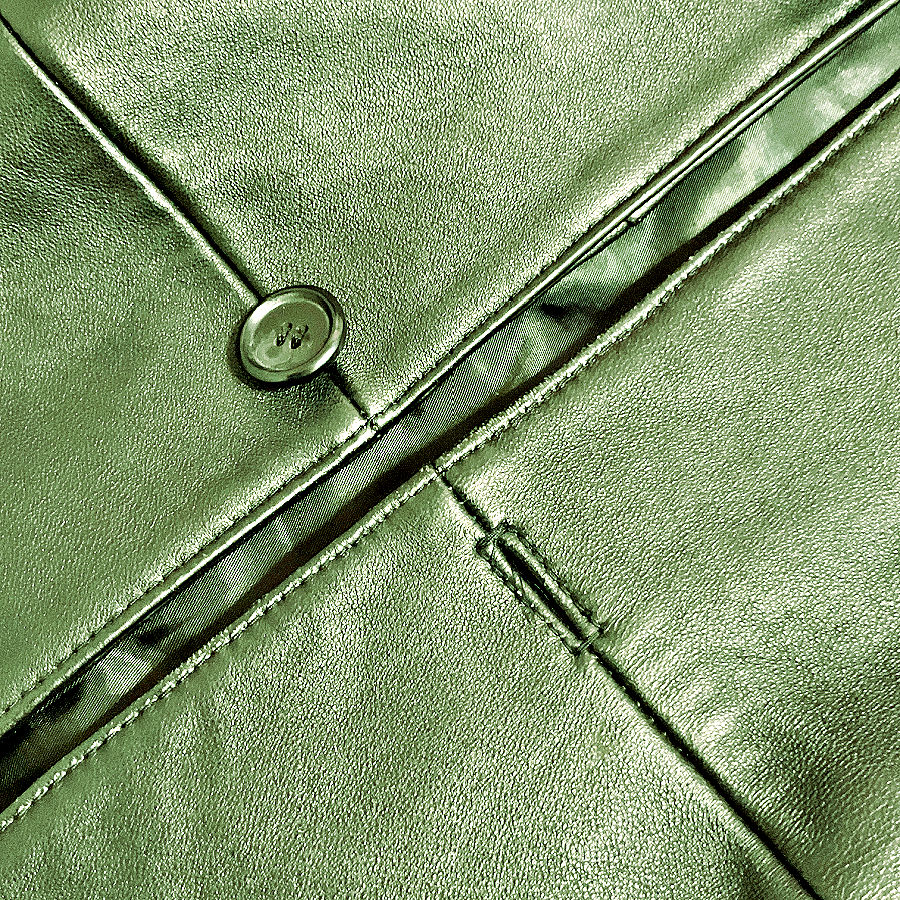
This type is useful when you want a flatter, cleaner finish and do not want a standard machine buttonhole sitting on the surface of the garment. It can work especially well on jackets, bands, plackets, and other areas where a seam already exists and can do double duty as part of the closure. It is also a nice option when you want the button to stand out more than the buttonhole itself.
Like other buttonholes, this one still needs planning. The opening should be sized to fit the button, and the area usually benefits from interfacing so the seam does not stretch or distort with use. Backstitching at both ends of the opening is also important, since those points take the strain.
The result is simple, neat, and a little different from the usual machine-made buttonhole. It is not the first type most sewists try, but it is worth knowing about, especially for garments that already have well-placed seams where a buttonhole can hide in plain sight.
If you enjoy decorative details, you can find hundreds of machine embroidery designs for buttonholes.
#10. Loop Buttonhole
A loop buttonhole, such as a thread loop or fabric loop, avoids cutting the fabric at all. That makes it very helpful on delicate garments.
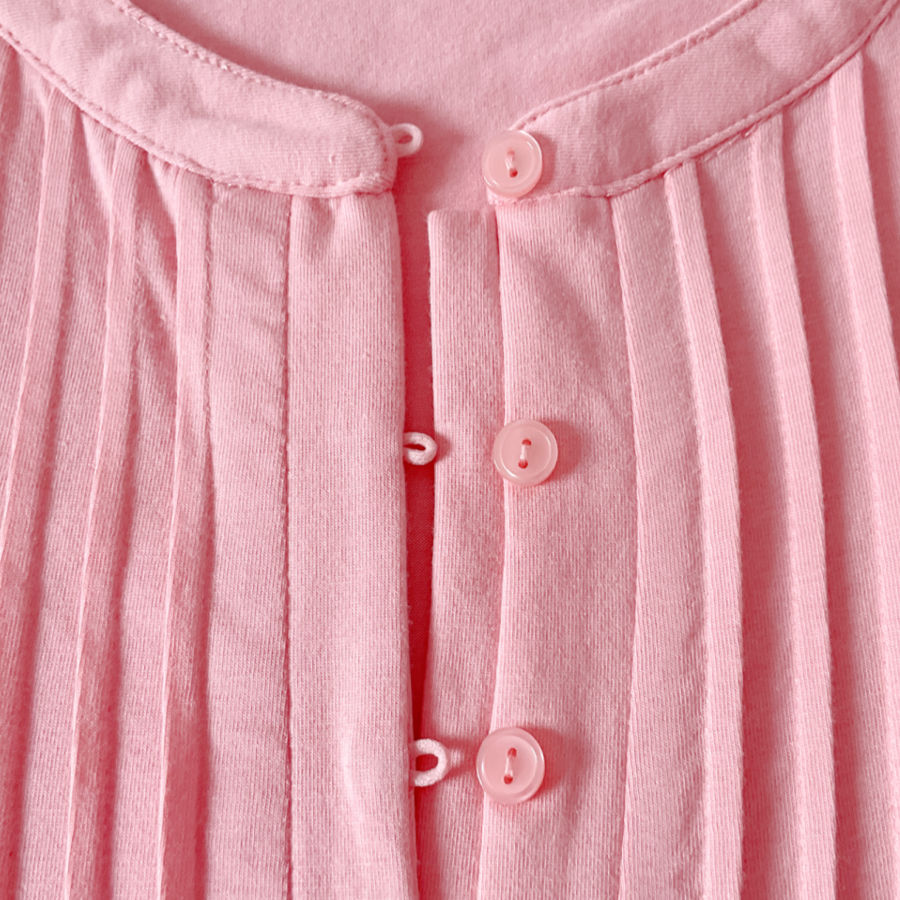
It solves this problem: “My fabric is too delicate for a regular buttonhole, and a standard buttonhole looks bulky.”
This type is lovely on bridal sewing, fine dresses, blouses, back openings, and garments with small covered buttons. It gives a softer look and suits fabric that puckers or distorts under dense machine stitching.
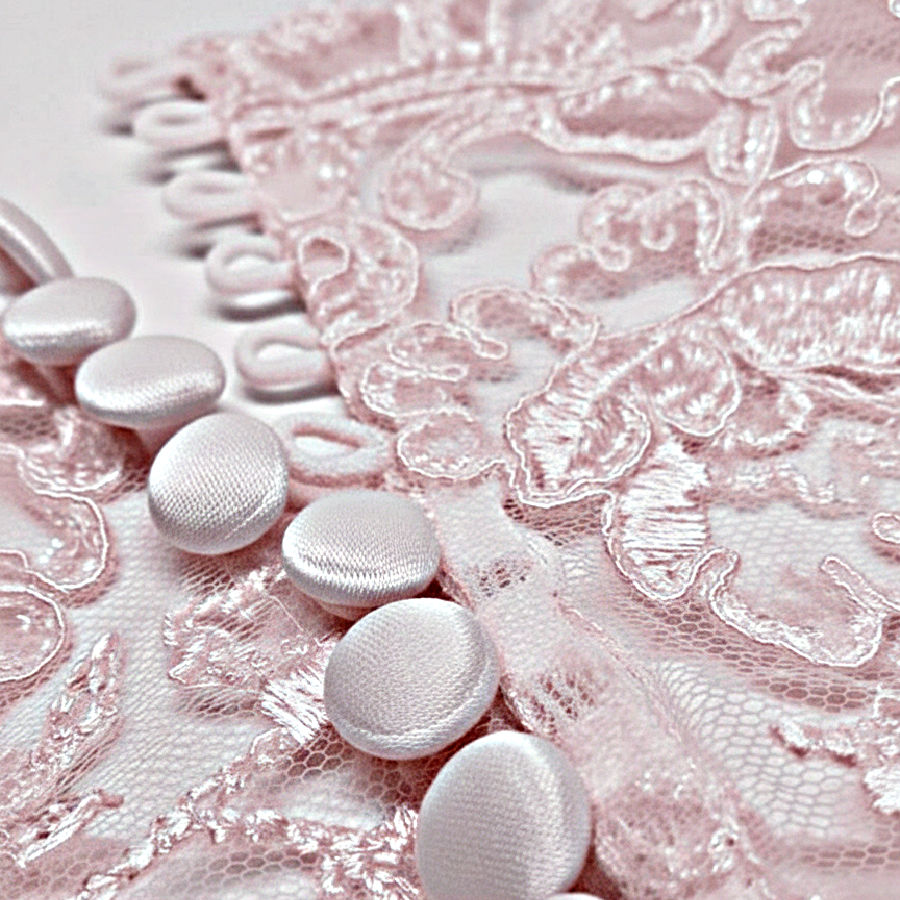
Loop closures are also helpful when the closure should look graceful rather than tailored. A row of tiny loops and covered buttons has a very different mood from a row of standard machine buttonholes.
This is not a classic slit buttonhole, of course, but sewists often consider it in the same family because it solves the same closure problem in a different way.
If your fabric seems too fragile for the usual method, a loop may be the better answer.
The Buttonhole Type Is Only Half the Story
A good buttonhole also depends on direction, support, and placement.
Horizontal and vertical buttonholes are not just style choices. They control how the button sits under strain. That matters because the pull on a blouse front is different from the pull on a cuff or a waistband.
When to use horizontal buttonholes
Use horizontal buttonholes when the garment opening may pull open across the body. This is common on:
- blouse fronts, especially over the bust
- shirt fronts
- jacket and coat fronts
- waistbands
A horizontal buttonhole gives the button a little side-to-side room. That small bit of ease helps the garment close without straining so much. It can reduce gaping, especially in areas that get pulled outward during wear.
This is why horizontal buttonholes are often the safer choice on fitted garments or on any area that gets stress.
✅ Related tutorial: How to Make a Buttonhole with a Zigzag Stitch without a Buttonhole Foot
When to use vertical buttonholes
Use vertical buttonholes when you want the closure to stay in a fixed position and the area does not need extra width. They work well on:
- shirt plackets with little strain
- cuffs
- sleeve tabs
- decorative closures
- areas where the pull is light
A vertical buttonhole keeps the button from shifting side to side. That helps the closure stay aligned. It is a good choice when the buttonhole does not need to “give” under stress.
The simple rule
If the garment tends to pull open, a horizontal buttonhole is usually better. If the closure needs to stay neatly in place and there is little strain, a vertical buttonhole is often fine.
Stabilization matters every time. Interfacing, organza, stay tape, or another support layer can change the result completely. A lovely buttonhole on an unstable fabric without support is rare. Sewing machines enjoy support almost as much as sewists do.
Then there is the moment of cutting the buttonhole open. That moment deserves full attention. It is wise to cut slowly and protect the ends with pins or use a chisel if you have one. Many beautiful buttonholes have met a sad end during the last ten seconds of the process.
A Simple Way to Choose the Right Buttonhole
Here is the easiest way to think about it.
For a blouse or dress on stable woven fabric, start with a standard rectangular or rounded-end buttonhole.
For coats, jackets, and thicker buttons, think keyhole, corded, or bound.
For knits, use a stretch buttonhole with support underneath.
For fine or decorative garments, consider hand-worked, embroidered, or loop buttonholes.
For waistbands and tabs, a slot buttonhole may give a flatter, neater result.
And always test first on the same fabric layers and interfacing as the garment. A lonely scrap of fabric by itself is not a reliable test. Buttonholes like to reveal their opinions under real conditions.
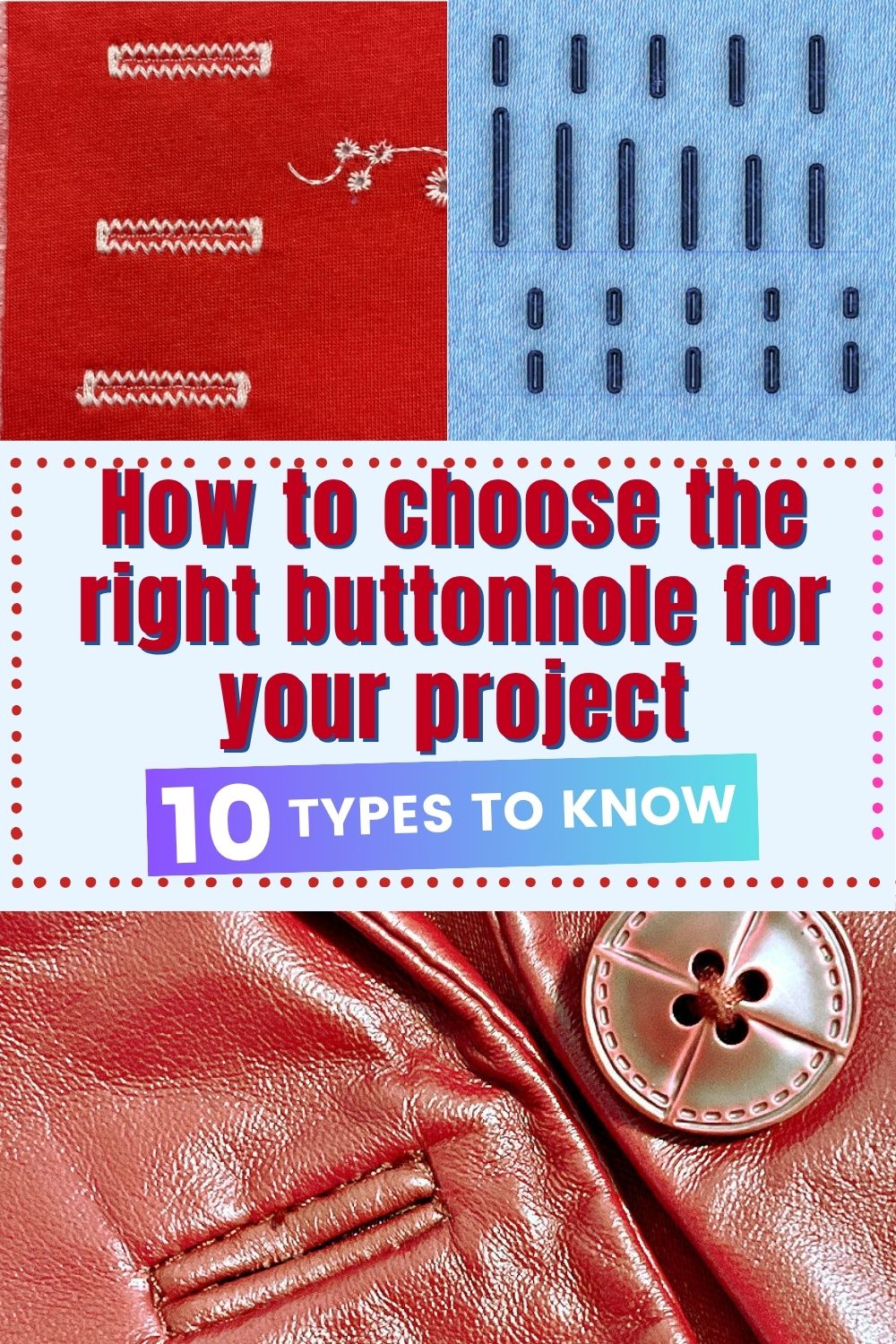
If this article gave you a clearer picture of buttonholes, save the pin below to your sewing board so you can find this tutorial later. And if you enjoy practical sewing tips, tutorials, and ideas, follow me on Pinterest for more.

latest posts
- 10 Easy-to-Miss Features on Sewing Supplies You Should Be Using
- Twin Needle Sewing: My First Try Was a Mess, But Here’s What Worked
- 10 Rules That Made Me a Better Sewist
- How to Make a Lightweight Summer Neck Scarf with a Lettuce Hem
- What Sewists Hate About Sewing: Common Complaints and Practical Fixes
- Knit Presser Foot: How It Works, How to Use It, and My Sewing Tests
- How to Sew Neat Mitered Corners at Acute Angles
- Sewing Machine Needle Organization: A Clever System I Tried
- DIY Car Armrest Organizer: Sewing Tutorial