
Buttonholes and Buttons: Sewing Methods, Tips, and Troubleshooting
A buttonhole is a very small part of a sewing project. It can also be the part that makes you check the manual, test scraps, change the needle and thread, and check the manual again.
Should you use the automatic buttonhole foot? Make the buttonhole with a regular zigzag stitch? Sew it by hand? And why does a method that worked beautifully yesterday suddenly produce a puckered little mess today?
I gathered my button and buttonhole tutorials in one place so you can find the right method for your project. You’ll also find help with attaching different types of buttons and a few ideas for using the buttons hiding in jars and drawers around your sewing room.
Start by Choosing the Right Buttonhole
Not every buttonhole is meant for every button, fabric, or garment. Choosing the type before you begin can prevent many problems later.
1. 10 Types of Buttonholes: How to Choose the Right One and Avoid Common Mistakes
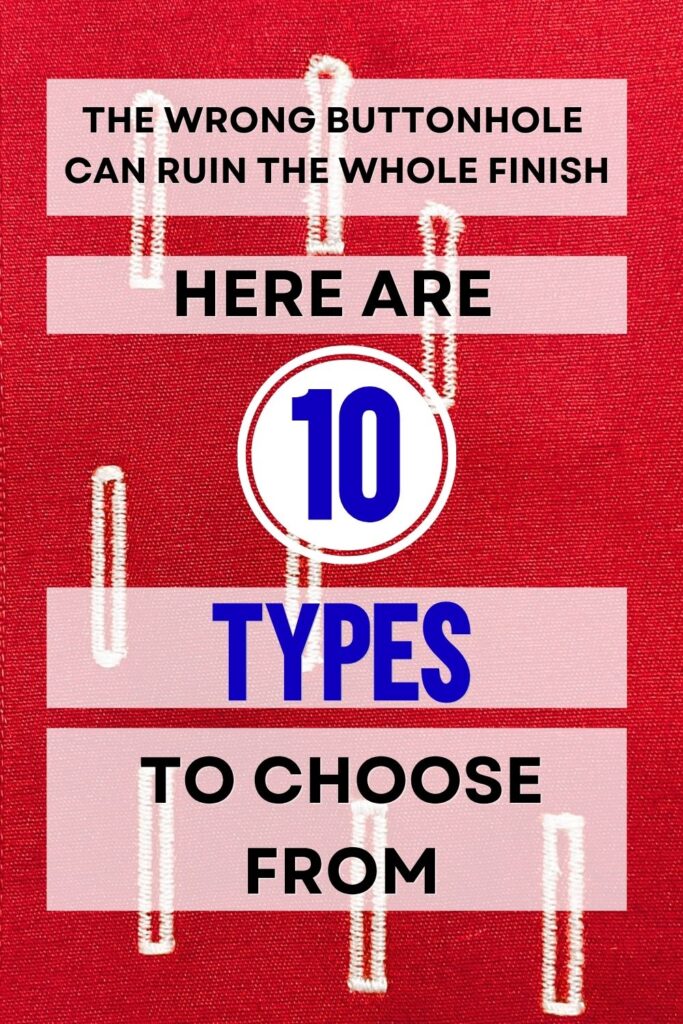
Sewing machines may offer several buttonhole styles, but the names on the stitch screen do not always explain when to use them. This guide looks at ten types, including rectangular, rounded, stretch, corded, keyhole, and bound buttonholes.
Each type is connected to a practical sewing problem. You can see which buttonhole may work better for a soft blouse, a knit cardigan, a thick coat, or a button with a prominent shank.
2. Buttonhole Basics and Beyond: Tools and Methods That Work
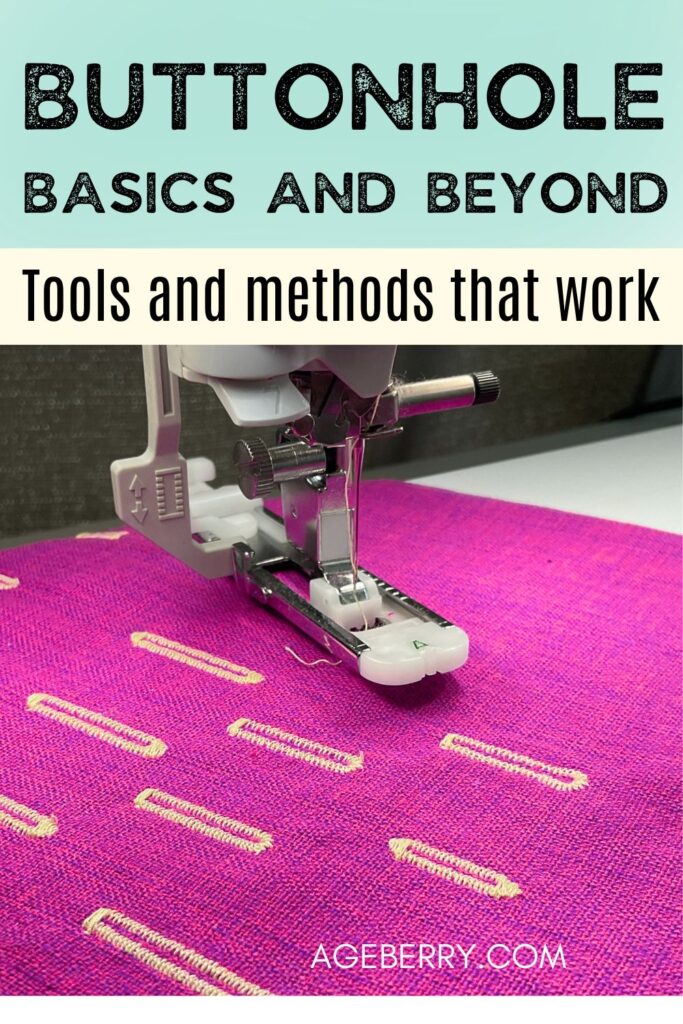
What makes a buttonhole correct? It needs to fit the button, lie flat, have even stitches and secure bartacks, and suit the fabric used for the project.
This detailed guide also covers buttonhole feet, stabilizer plates, interfacing, spacing gauges, cutting tools, needles, thread, and fray sealants. It compares several ways to make buttonholes so you can match the method to your machine, fabric, and preferred finish.
Sewing Machine Buttonhole Tutorials
For many projects, a sewing machine is the quickest way to make a row of neat, evenly sized buttonholes. The right foot and a good scrap test make the job much less risky.
3. Buttonhole Presser Foot 101: What It Is and How to Use It
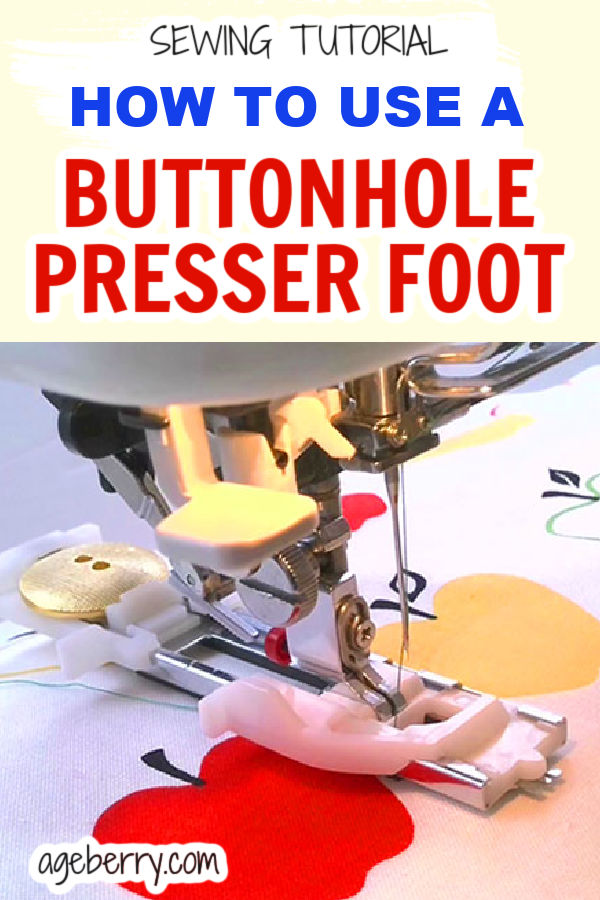
That long plastic or metal foot included with your sewing machine looks different from all other presser feet. This tutorial explains automatic one-step feet, sliding four-step feet, low-shank and high-shank versions, sensor feet, and feet with stabilizer plates.
You’ll also see how the button is used to set the opening size and why a stabilizer plate can help when sewing across thick seams or uneven fabric layers.
4. Sewing Machine Buttonhole Troubleshooting
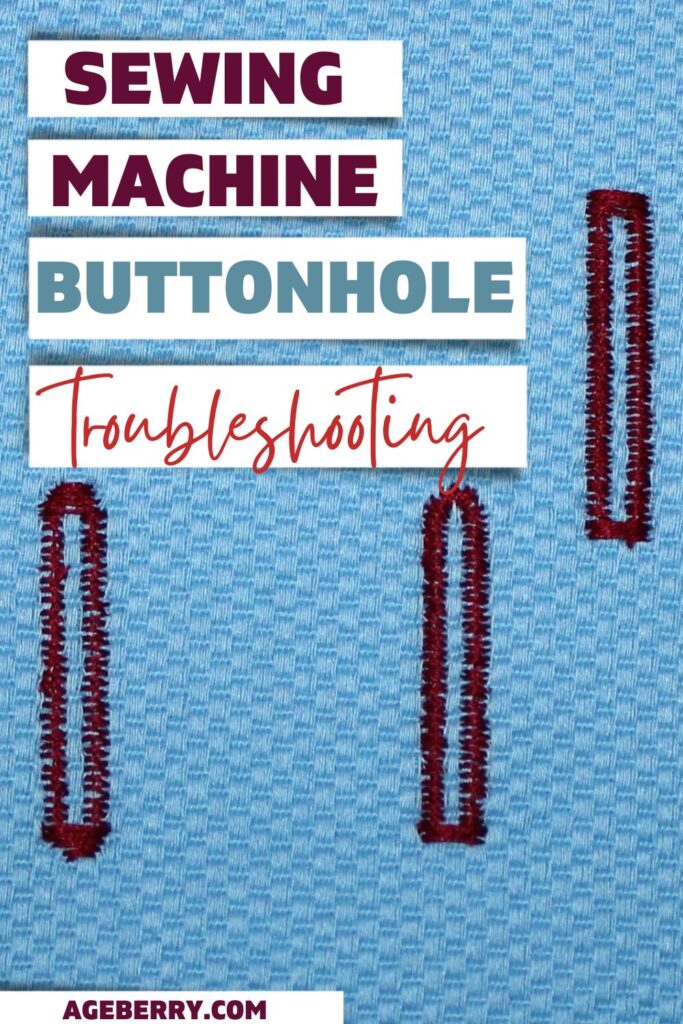
Sometimes the foot stops moving halfway through the buttonhole. The needle continues stitching in one place, and suddenly you have a dense knot of thread on an almost-finished garment.
This troubleshooting guide checks nine possible problem areas. It covers fabric blocking the foot, an uneven foot position, bulky seam allowances, the buttonhole lever, stabilizing, and other details that can interrupt the stitching. A video shows the checks in action.
5. How to Make a Buttonhole with a Zigzag Stitch Without a Buttonhole Foot
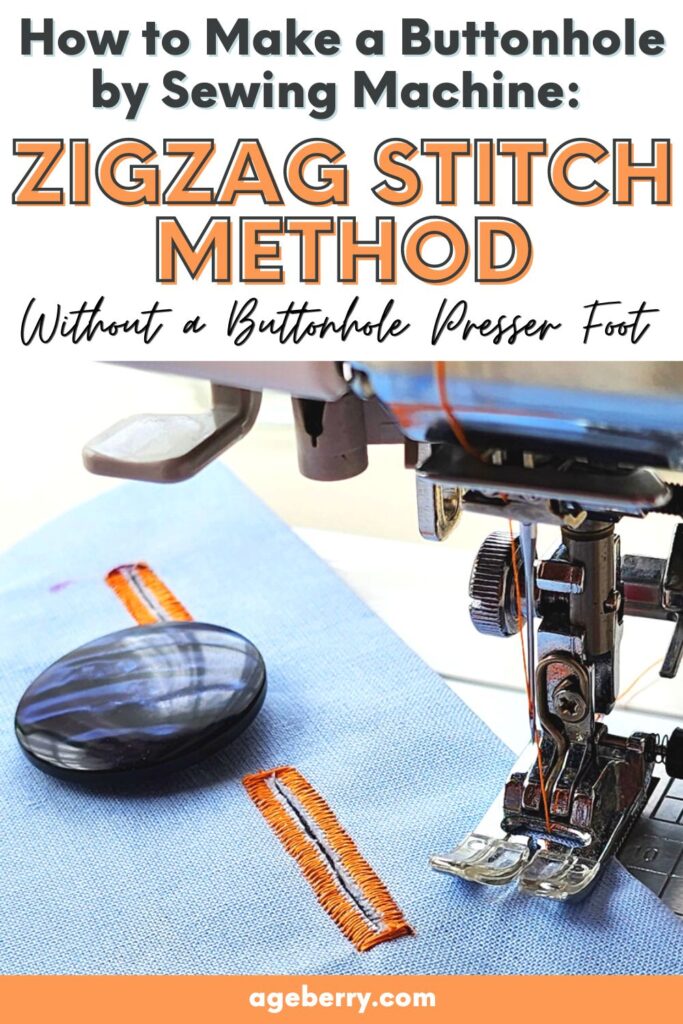
A missing buttonhole foot does not mean the project has to wait. You can make the opening with a regular zigzag stitch and control the length, width, sides, and bartacks yourself.
This method is also useful when a button is too large or oddly shaped for an automatic foot. The tutorial covers stabilizing, marking, stitch settings, sewing the four sections, and carefully cutting the finished opening.
Hand-Sewing Tutorials for Buttonholes and Buttons
Machine-made buttonholes are convenient, but they are not the only option. Hand sewing is useful for thick fabrics, tiny garments, unusual buttons, repairs, and projects where the stitching is meant to be seen.
6. How to Sew a Buttonhole by Hand
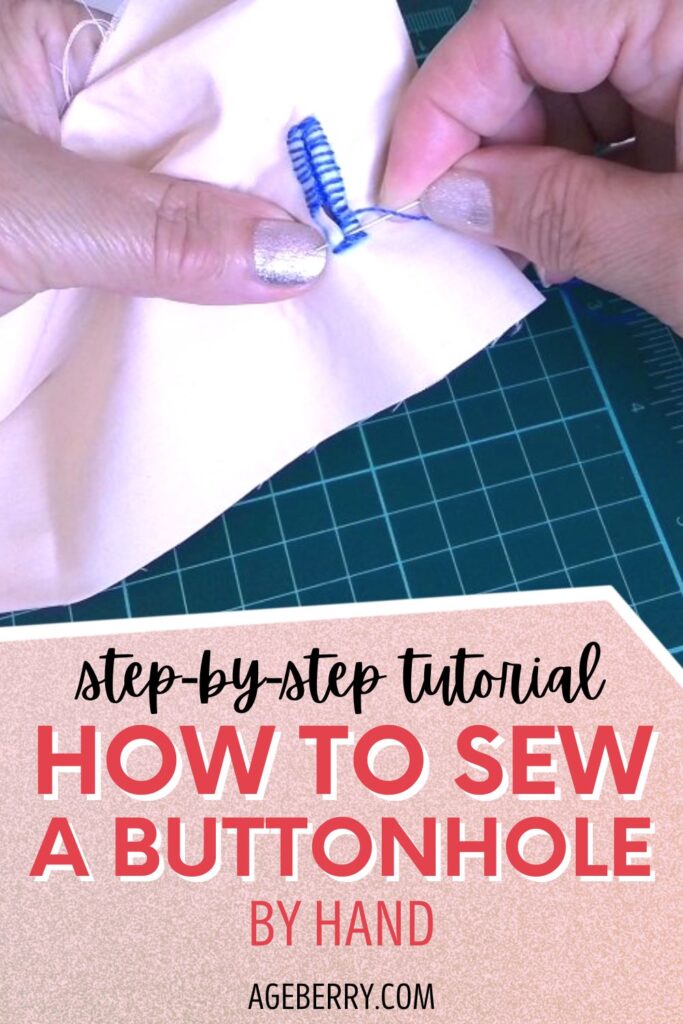
Hand-sewn buttonholes can be useful on thick wool, coats, doll clothes, heirloom sewing, costumes, and projects with buttons that will not fit an automatic foot.
This tutorial explains how to prepare and stabilize the opening, select thread for different fabrics, condition the thread with beeswax, and form the buttonhole stitches around the cut edge. There is also a video so you can see the stitching more closely.
7. How to Sew on a Button
Replacing a missing button seems simple, but a few details determine how securely it stays attached. The needle, thread, spacing, and sewing method should suit both the button and the fabric.
This tutorial covers two-hole and four-hole buttons, shank buttons, reinforced buttons, and buttons attached to different types of garments. It also explains how to leave enough space beneath a flat button when the fabric requires a thread shank.
Creative Sewing Ideas with Buttons
Buttons do not have to be used only as closures. A jar of mismatched buttons can become a source of decorative details, small embellishments, and very inexpensive sewing projects.
8. Button Embroidery Ideas
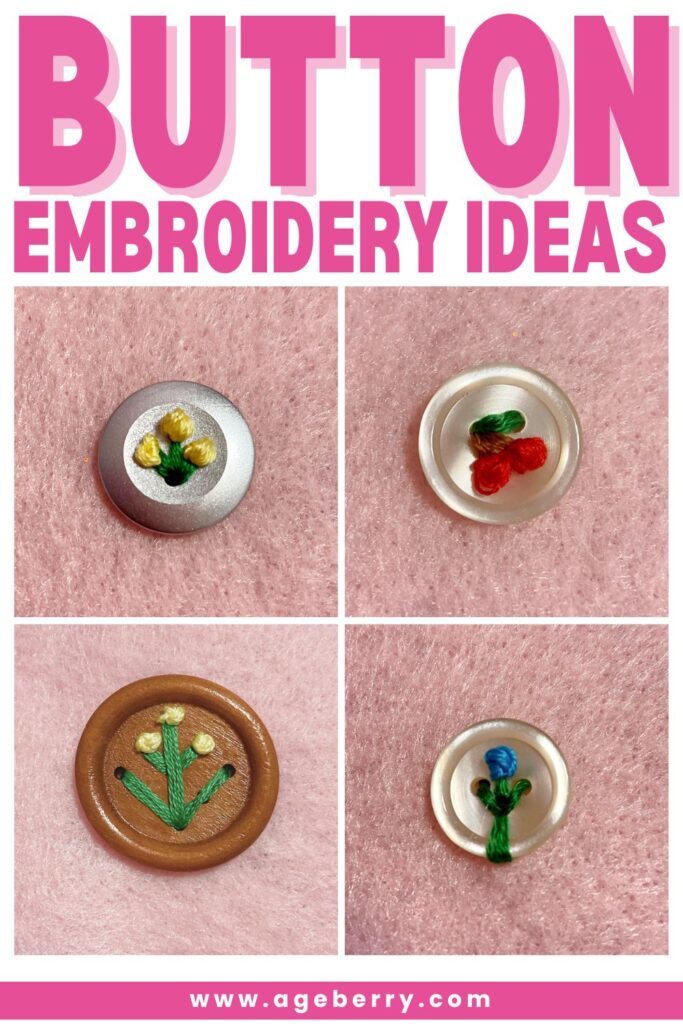
Four-hole buttons can become tiny embroidered flowers with a few simple stitches and contrasting embroidery floss. Add stems, leaves, and petals directly through the holes, then attach the finished buttons to clothing, bags, cushions, or other fabric projects.
The tutorial shows the supplies and stitching process and includes several flower variations. It is also a manageable hand-sewing project when you want something decorative without setting up an embroidery machine.
9. Easy Sewing Projects with Buttons
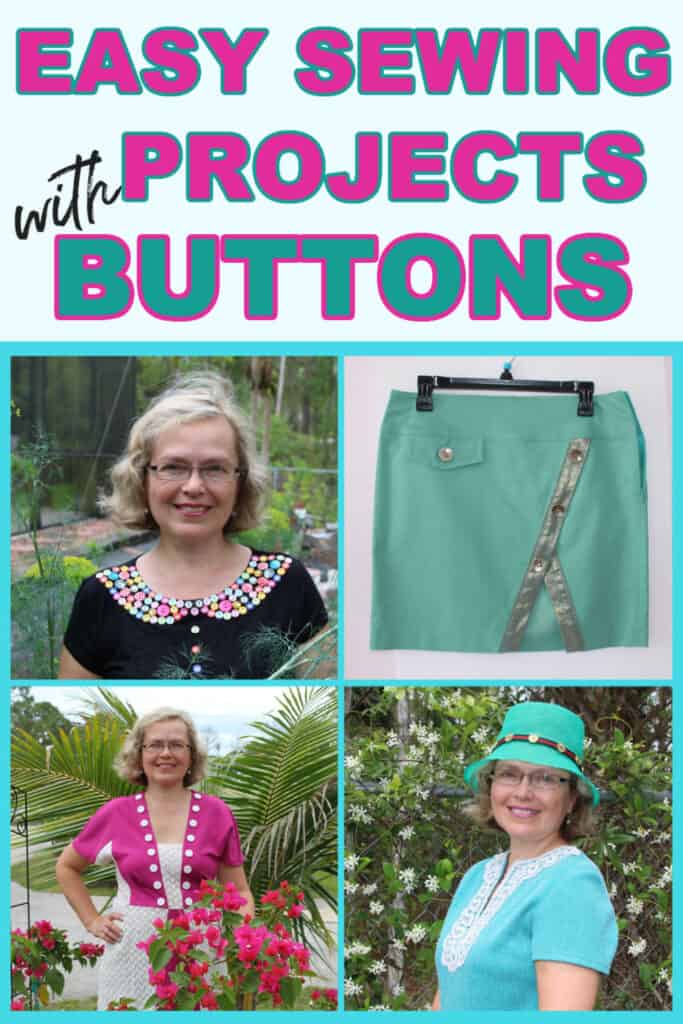
This collection shows buttons used on shirts, skirts, dresses, hats, bags, shoes, and even a picture frame. It also includes a step-by-step project for creating a decorative button collar on a T-shirt.
It is a useful place to look before throwing away odd buttons that no longer have matching partners. Different colors, shapes, and sizes can be arranged as embellishments instead of being saved forever for a repair that may never happen.
Which Buttonhole Method Should You Use?
For most everyday garments, begin with the buttonhole foot that came with your sewing machine. Test the full buttonhole on a scrap made with the same fabric, interfacing, and number of layers as the final project.
Use the regular zigzag method when the automatic foot is missing, the button is too large, or you want more control over the size.
A hand-sewn buttonhole may be a better fit for tailored garments, very thick fabric, tiny pieces, or a special finish.
And once the buttonholes are finished, do not rush through sewing on the buttons. Their placement and spacing matter just as much as the openings.
A few minutes of testing can save a lot of careful unpicking later.
Did you find a buttonhole method or troubleshooting tip you want to try? Save the pin below to your sewing board so you can come back to these tutorials when you need them. And follow me on Pinterest for more sewing tips, tutorials, and project ideas!

latest posts
- Bias Tape Tutorial: How to Make Bias Tape With a Bias Tape Maker
- 10 Easy-to-Miss Features on Sewing Supplies You Should Be Using
- Twin Needle Sewing: My First Try Was a Mess, But Here’s What Worked
- 10 Rules That Made Me a Better Sewist
- How to Make a Lightweight Summer Neck Scarf with a Lettuce Hem
- What Sewists Hate About Sewing: Common Complaints and Practical Fixes
- Knit Presser Foot: How It Works, How to Use It, and My Sewing Tests
- How to Sew Neat Mitered Corners at Acute Angles
- Sewing Machine Needle Organization: A Clever System I Tried
Buttonholes, Oi, I made a beautiful lined jacket and skirt, put buttonholes in jacket, jacket did not hang right, Threw the entire project in the garbage. It was perfect up to the buttonholes. I was devasted.
Oh no, that hurts. Buttonholes at the end are scary for exactly this reason. Sometimes the jacket front can stretch or pucker if the buttonhole area isn’t stabilized enough, or if the buttonholes are a little off in placement. Next time I would test the buttonhole on the same fabric layers first, add extra interfacing behind the buttonhole area, and mark everything very carefully before making buttonholes.One bad buttonhole can pull the whole front out of shape.