Sewing Pattern Paper 101: The Best Types and Budget-Friendly Alternatives
Pattern paper is a fundamental material in sewing that serves as the bridge between design and fabric. It can be divided into two distinct categories, each having a slightly different purpose in the sewing workflow.
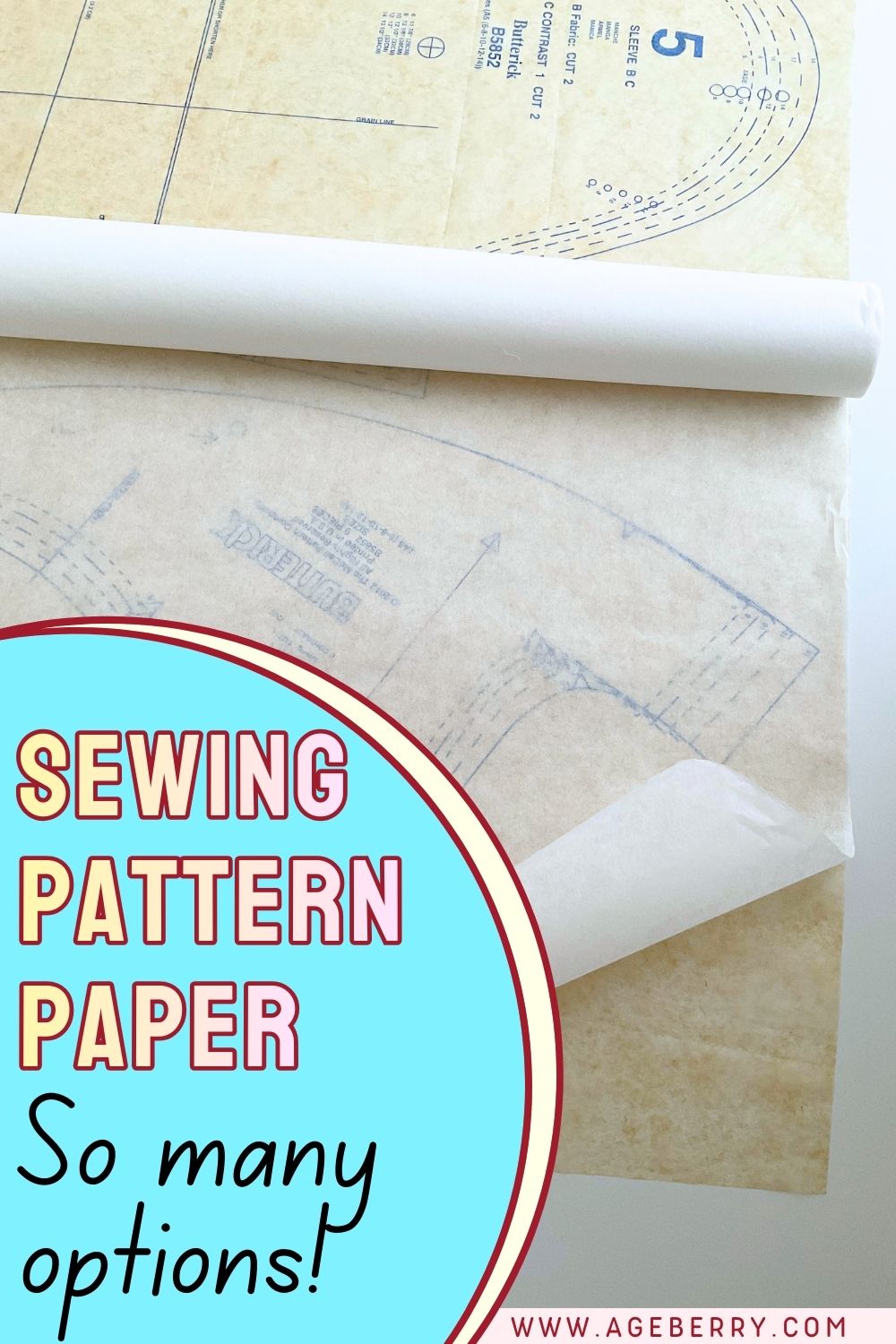
Type 1 – paper for tracing patterns. It’s used to copy existing patterns. This paper prioritizes transparency so you can see through to the pattern beneath, along with qualities like lightweight construction and tear resistance. The paper needs to be see-through enough for you to trace every detail — darts, grainlines, notches, the works — without needing a light box.
Type 2 – paper for drafting patterns. Drafting paper is used to create patterns from scratch or make complicated alterations to existing designs. This paper prioritizes durability and stability, as it must withstand repeated marking and erasing.
The choice between tracing and drafting paper depends on your goal: preserving and copying existing designs, or creating and perfecting new ones.
So let’s look at the different types of pattern paper you can choose from. I’ll share a few tips for using your paper templates without them ending up in a wrinkled ball under your sewing table.
Artist/Architect Tracing Paper — A Staple for Pattern Work
When sewists talk about tracing paper, one of the most familiar kinds is the type artists and architects have used for decades. This paper is designed to be highly see‑through so you can place it over sewing patterns and transfer lines precisely.
It’s economical and widely available in both sheets and rolls — and rolls can range from narrow (about 6″ wide) to very wide (up to 36″ or even more), giving you flexibility for everything from small bodice pieces to full‑size dress patterns.
Before we look at specific products, it’s helpful to understand the terms used to describe how “see‑through” these papers are:
- Transparent means you can see through the paper clearly, with minimal visual distortion. This is ideal when you need to trace very fine details.
- Translucent means light passes through the paper but images appear softer and slightly diffused. This is usually enough for pattern tracing and still lets you see details under it. Many tracing papers sold for art and drafting fall into this category because they balance durability and visibility.
Now let’s look at some specific options.
Bienfang Sketching & Tracing Paper Roll

This classic roll style tracing paper is popular with artists, designers, and sewers alike. The surface handles pencil, pen, and light marker well, and it comes in a range of widths (from about 12″ up to 36″) and long lengths so you can trace larger pieces without seams.
Why it works for sewing patterns:
- Easy to see existing pattern lines beneath.
- Rolls let you cut pieces to exact size.
- Paper is thin but sturdy enough to draw guidelines, notches, grainlines, etc.
Alvin 55W‑H Lightweight Tracing Paper Roll
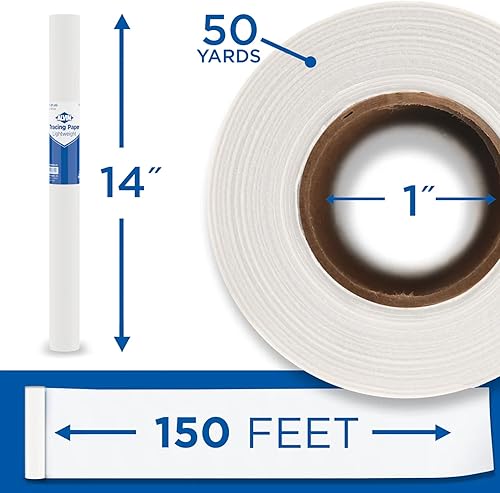
This is another roll option. It’s lightweight and suitable for pencil, ink, and markers without much bleed‑through. While originally intended for architectural use, hobby sewists often adopt it for pattern tracing because the wide format means fewer joins when copying large pattern pieces.
Good for:
- Tracing larger garment panels.
- Cutting templates you plan to reuse.
Xulmar Tracing Paper (9×12 Sheets)

If sheet format works better for you than a roll, this type of tracing paper offers individual 9×12″ sheets. The paper is smooth and translucent, making it fine for tracing small blocks like sleeves, collars, etc.
Good for:
- Smaller pieces and quick tracing tasks.
- Portable tracing without unrolling long sheets.
These artist/architect tracing papers are inexpensive, widely available, and quite versatile for sewing pattern work. Rolls give you freedom to cut any size piece you want, while sheets let you handle small pattern pieces without waste.
Bee Paper

Another type of artist tracing paper often used for sewing is something called Bee Paper. Despite the name, it has absolutely nothing to do with actual bees. The company was founded in the U.S. back in the 1940s and originally made sketchbooks and artist pads. The “Bee” in the name is just part of the branding — maybe chosen for its simplicity or to suggest industriousness (like a busy bee), but it’s purely symbolic.
It’s just a really good quality tracing paper (and sketch paper) made for artists and designers… and well-loved by many sewists too.
Sewists love it because it’s smooth, lightweight, and comes in wide rolls. The paper has a crisp texture that’s easy to mark and erase, and it holds its shape well without being stiff or bulky. It resists tearing and doesn’t wrinkle as easily.
✦ Features of Bee Paper Tracing Rolls
- Translucent surface that works well with pencil or pen
- Acid-free (which matters more for art than sewing, but still good to know)
- Comes in various widths: 12″, 18″, 24″, up to 36″
- Typically sold in 20-yard or 50-yard rolls, which last a long time
- Smooth and crisp texture that holds up better than flimsy tissue but still folds well
Swedish Tracing Paper – The Workhorse of the Pattern World

Swedish tracing paper is a favorite among sewists who like their tools to be both functional and forgiving. This paper isn’t paper in the traditional sense — it’s a non-woven material that behaves like a blend of paper and fabric. It has a soft surface that feels more like interfacing than drawing paper.
Unlike stiff drafting papers, Swedish tracing paper has just enough drape to mimic how a pattern will behave in fabric. This makes it ideal for test-fitting your designs before you cut into your real fabric.
Here’s what sets it apart:
- Semi-transparent, so you can still trace patterns clearly.
- Doesn’t tear easily — you can fold, pin, and even sew it without it falling apart.
- Handles heat well on low settings, so it’s safe to press if you need to flatten seams or prep pieces before cutting.
- Reusable and durable — you can store and re-use pattern pieces many times.
- Clings lightly to most fabrics, which helps it stay in place when tracing or cutting.
Best for:
- Creating reusable templates for frequently used patterns
- Test-fitting muslins (especially for more fitted garments)
- Copying delicate vintage patterns without risking the original
The Extra Perk
You can stitch it together like fabric. Yes, really. If you want to check the fit of a bodice, sleeve, or even a full garment, you can sew the Swedish tracing paper pieces together and try it on before you ever touch your fashion fabric. It gives you a solid preview of your project without wasting fabric or second-guessing your adjustments.
It’s not the cheapest option, but for those who like testing patterns or adjusting fit multiple times, it’s a reliable favorite.
✅ Related tutorial: DIY pencil skirt: how to make a pencil skirt pattern
Household & Non-Traditional Papers Used for Tracing
Not every tracing paper in a sewing room has to come from the art aisle. Many sewists swear by non-traditional options — especially when budget or size is a concern. These papers may not have been designed with sewing in mind, but they often do the job just fine with a little creativity.
Medical Exam Paper – The Surprising Sewing Ally
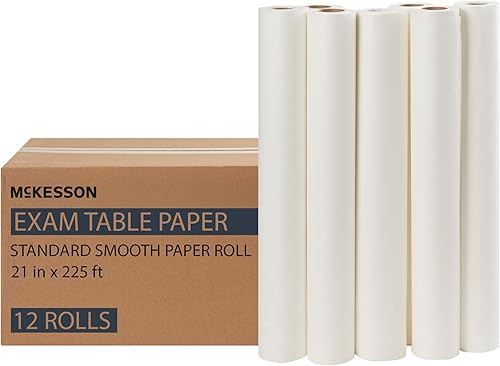
It might sound odd, but the same paper that lines your doctor’s exam table has made its way into sewing rooms. Medical exam paper is a thin, semi-translucent paper that comes on long rolls and is widely available through medical or industrial suppliers. And yes — it works surprisingly well for tracing patterns.
Why it works:
- Thin and translucent, so it’s easy to trace printed lines and details
- Sold in wide rolls, which makes it great for full-length garments like dresses or pants
- Extremely affordable, especially when bought in bulk
✅ Related tutorial: How to Sew a Dress Using a Pattern: A Step-by-Step Guide
It’s especially useful when you’re working on large garment pieces or need to trace multiple versions of a pattern. The rolls are often long enough to last you through dozens of projects.That’s what I use for my patterns. It gives me the width I need, and I don’t have to worry about running out halfway through a maxi dress tracing.
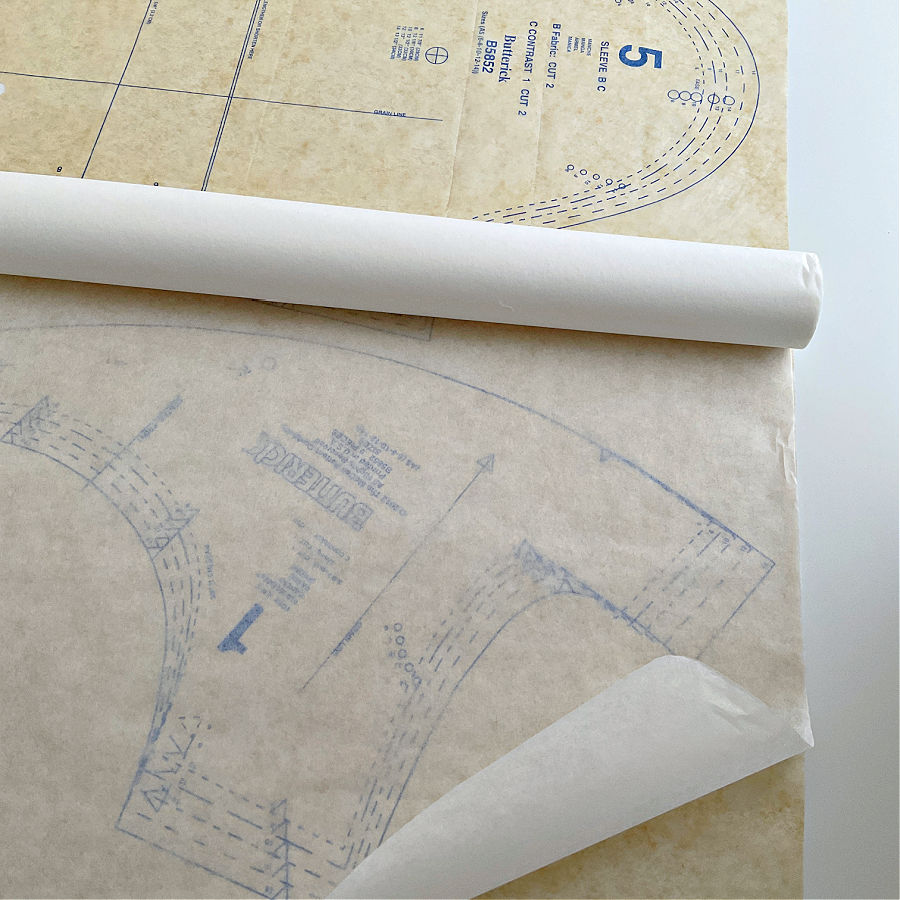
Limitations:
- Not very durable — it can tear more easily than artist tracing paper or Swedish paper
- Doesn’t hold up well to pinning or folding over time
- You can’t sew or press it
On the plus side, it’s much cheaper than other alternatives.
If you’re looking for a short-term tracing option that’s easy on your wallet and generous in size, medical exam paper might surprise you. It’s not ideal for patterns you’ll reuse for years, but it’s great for one-offs or muslin prep — and it’s always nice to have a giant roll ready when inspiration strikes.
✅ Related tutorial: Top 10 Things Sewing Patterns Don’t Tell You (But You Need to Know)
Freezer Paper – A Clever Tool for Appliqué and Fabric Placement
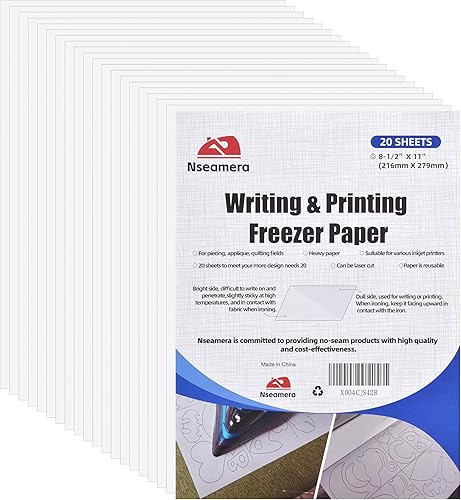
Freezer paper may come from the kitchen aisle, but it’s earned a permanent home in the sewing room. This paper has one plain side and one shiny side with a light plastic coating. That shiny side sticks temporarily to fabric when pressed with a warm, dry iron, without leaving any residue.
It’s perfect when you need a pattern piece to cling to fabric while you cut or sew, but don’t want pins getting in the way.
What makes it helpful:
- One smooth, shiny side that gently adheres to fabric with heat
- Peels off cleanly — no sticky mess, no damage
- Reusable a few times before it loses grip
Best for:
- Appliqué templates
- Cutting guides that stay in place without shifting
- Temporary pattern placement directly on fabric
Important note:
This paper is not meant for long-term pattern storage. The surface can weaken over time, and the paper isn’t as sturdy as artist or Swedish papers. It shines most when used for short-term positioning or detail work.
If you’re doing appliqué or precision cutting, freezer paper offers an easy, pin-free way to keep your fabric under control.
Embroidery Stabilizer – A Handy Stand-In for Tracing Paper

This one might surprise some people — but if you have embroidery supplies nearby, you may already have a tracing substitute in your stash. Lightweight stabilizer (cut away or tear away), the kind used in machine embroidery, can work quite well for tracing patterns in a pinch.
While it’s not technically paper:
- It’s soft and fabric-like, a bit like Swedish tracing paper
- It holds up well to pinning and folding
- You can draw on it with most pens or pencils
- It doesn’t tear easily, even around sharp corners or curves
It’s more durable than most tracing paper types. And if you’re working on a project that blends embroidery and garment sewing, it’s nice to use something that pulls double duty.That’s something I use from time to time, especially when I need to trace smaller pieces or quick test shapes. It’s not the most economical for everyday tracing, but it works beautifully when you have scraps left over from embroidery projects.
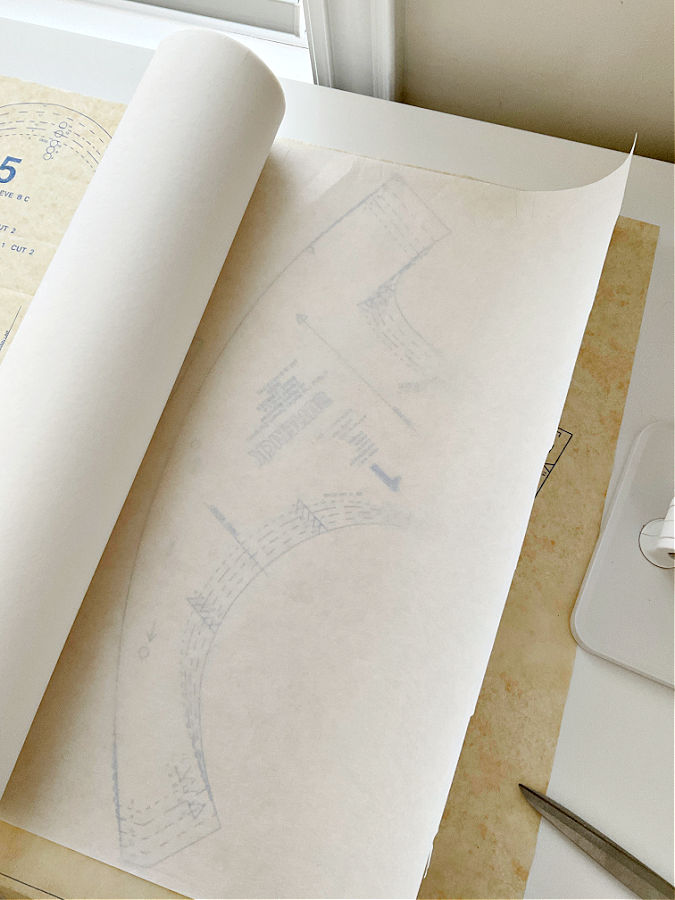
Best for:
- Tracing small pattern pieces
- Quick test fittings or fabric mock-ups
- Projects that combine embroidery and sewing
Limitations:
- Often comes in smaller widths, so it’s not ideal for large patterns
- More expensive than traditional tracing paper or medical paper
- Usually not see-through enough for detailed pattern alignment
Still, if you’re in the middle of a project and need to trace a neckline, patch pocket, or sleeve facing, a piece of lightweight stabilizer might be the easiest thing within reach. It’s one more example of how sewists find creative uses for what’s already in the sewing room.
Plastic Pattern Paper (Mylar) – For Patterns That Go the Distance

If you have a pattern you reach for again and again — think your favorite bodice block, or a personal sloper — then it might be time to graduate to plastic pattern paper, often made from Mylar or similar clear polyester film.
This material is fully transparent and much tougher than anything made of paper. It doesn’t crease, rip, or wear out with handling, and it can survive years of use without losing shape.
Why it stands out:
- Extremely durable — it won’t tear or degrade like paper
- Easy to wipe clean, which is great if you’re working with washable fabric markers
- Completely see-through, so you can position it accurately over fabric or existing patterns
Because of its durability, it’s perfect for frequently reused templates. On the plus side also, it can be used for other crafts and it can be cut with modern cutting machines (Cricut).
Best for:
- Blocks and slopers you use repeatedly
- Templates for pockets, collars, and necklines
- Pattern drafting when precision matters
Trade-offs:
- It’s more expensive than paper-based options
- It can be slippery on fabric, so weights help
- Cutting mistakes are permanent
You can’t fold it into a tidy stack or easily reshape it if you cut something wrong. But if you want your favorite pattern pieces to last for years without fraying or crumpling, this is the material to reach for.
Paper for Drafting Patterns – When You’re Designing, Not Just Tracing
When you’re not just copying an existing pattern but building one from scratch — or heavily altering the shape and fit — you need more than just something see-through. Drafting paper is designed for creating patterns based on measurements, fitting adjustments, and original design work. It offers structure, space, and subtle guidance to keep your lines straight, your angles accurate, and your brain a little less frazzled.
Unlike tracing papers, which are often soft and flexible, drafting papers are sturdier. They’re usually semi-transparent (so you can still trace when needed) but have extra features like printed dots, grids, or crosshairs to help with measuring and alignment.
This is the paper you want when you’re:
- Drafting a custom bodice from a sloper
- Making a new design from body measurements
- Adjusting a complicated fit and needing clean, accurate lines
- Working with rulers, French curves, and right angles
Pattern drafting paper gives you the visual tools to draft cleanly and precisely, and it’s usually tough enough to handle erasing, re-drawing, and handling over multiple sessions.
I personally don’t draft patterns very often, so I usually stick with tracing paper for drafting too. It’s just easier (and cheaper) to manage when I want something flexible and fast — and since I use medical exam paper as my tracing paper, I already have plenty on hand. It works well enough for occasional drafting, especially if the project doesn’t require intense redrawing or fitting work.
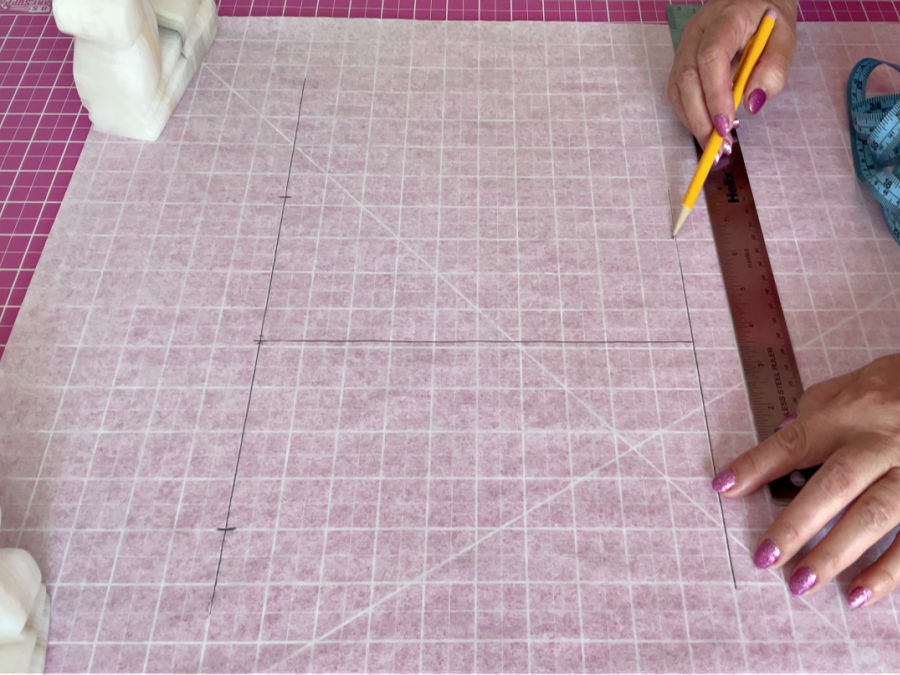
If you’re in a similar boat — drafting now and then, but not constantly — using tracing paper for both jobs is a perfectly reasonable choice. The lack of markings on the tracing paper is not a problem, I usually use my large cutting mat as a background and that has very good markings on it.
Dotted Pattern Material – A Grid Without the Lines

This material is semi-transparent white and printed with a uniform grid of small dots — usually spaced 1 inch apart. At first glance, it looks simple. But those tiny dots make a big difference when you’re drafting or modifying patterns.
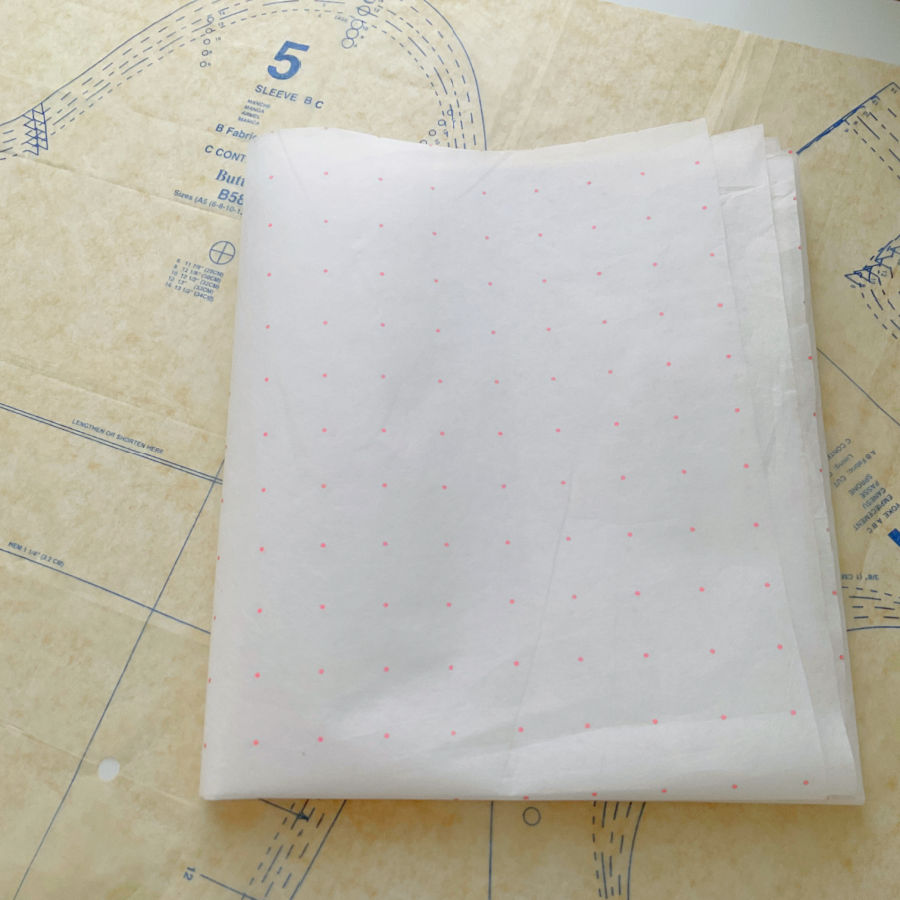
It also goes by another name: alphabet paper. That’s because some versions use letters and numbers in place of plain dots. You’ll see a subtle grid labeled A, B, C… and 1, 2, 3… which makes it easier to align and reference key points across your pattern pieces.

Each dot acts like a reference point. You can use them to:
- Align grainlines and balance pieces
- Keep angles clean and consistent
- “True up” curved seams with straight guidelines
- Measure without needing a ruler for every step
It’s like having a subtle graph paper built into your pattern work — just enough guidance to stay accurate, without crowding your view.
Other perks:
- Stronger than tissue paper, so it holds up to erasing and re-drawing
- Semi-transparent, which still allows for tracing
- Sold in long rolls, usually 24–45 inches wide, giving you plenty of workspace for full garments
Best for:
- Drafting patterns from body measurements
- Altering commercial patterns or combining sizes
- Building slopers and custom fit blocks
Why sewists like it:
The dotted grid acts like a built-in guide, especially helpful when you’re working without a ruler or transferring complex shapes. It also makes it easier to mirror pattern halves or check symmetry — which means fewer surprises when you sew your garment.
For sewists who enjoy the design side of sewing, dotted paper is a must-have. It turns your table into a functional drafting surface and helps keep everything from bust darts to hems lined up just right.
Oak Tag / Manila Pattern Paper – For Patterns That Are Here to Stay

Oak tag, also known as manila pattern paper, is what many professionals use to create final, reusable versions of their patterns. It’s thick like light cardstock and completely opaque — nothing see-through here. That means it’s not for tracing, but it’s perfect when you’ve finished drafting or fitting and want to make a master pattern that will last.
The surface is smooth and firm, which makes it easy to trace around with a pencil. It’s also great for punching with a hole punch if you want to hang your patterns on hooks or store them neatly in a filing system.
Why sewists use it:
- It’s extremely durable and holds its shape through years of handling
- Doesn’t curl or crease
- Great for tracing onto fabric — just place, trace, and go
- Professional studios often use it for slopers, base sizes, or grading sets
Best for:
- Master patterns and blocks you want to reuse long term
- Slopers for tops, dresses, or pants
- Projects where your pattern is used repeatedly and needs to hold up
Not ideal for:
- Tracing existing patterns, since it’s opaque
- Making quick fit adjustments — it’s harder to alter than paper
If you’ve perfected the fit, and this is a pattern you’ll come back to for years, it deserves the sturdiness of manila paper.
Poster Board – A Budget-Friendly Substitute for Manila Paper

Poster board is a common stand-in for oak tag/manila pattern paper, especially if you’re working on a tight budget or only need to preserve a few key pattern pieces. It’s thick, smooth, and fairly durable, so it’s a decent option for creating reusable templates like bodices, pockets, or collars.
It doesn’t have the same stiffness or longevity as real oak tag, but it works well enough for most home sewing setups.
Why it works:
- Similar in weight to manila paper — stiff but can be cut
- Readily available at office or craft stores
- Great for templates that need to be reused or traced multiple times
What to keep in mind:
- Usually smaller than a pattern roll, so large pieces might need to be taped together
- Not as resistant to wear, humidity, or heavy use as oak tag
- Some versions have a glossy coating that’s harder to write on or press with weights
Best for:
- Drafting or preserving small to medium pattern pieces
- Creating stencils, pocket templates, or facings
- Beginners testing out block-making without investing in heavier drafting supplies
So yes, poster board can absolutely work for drafting — especially if you’re just starting out or want to test-drive a sloper without cutting into pricier paper.
Butcher Paper & Kraft Paper – Big, Bold, and Budget-Friendly

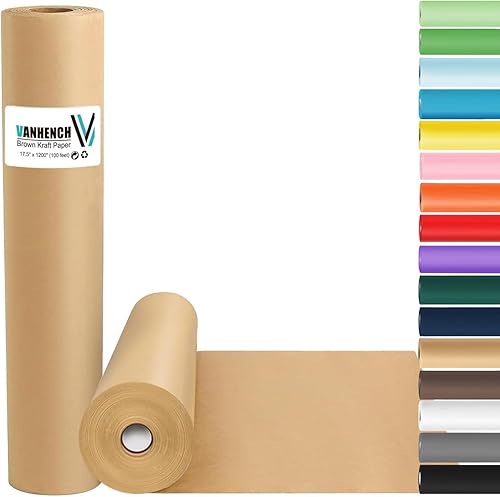
If you need something wide, inexpensive, and easy to get your hands on, butcher paper and kraft paper are solid options. These papers weren’t made for pattern drafting, but they’ve found their way into many sewing rooms — especially when rolls of professional pattern paper aren’t in the budget.
Butcher paper typically comes in white and has a smooth side (often used in kitchens). Kraft paper feels more like a heavy-duty wrapping paper.
What makes them useful:
- Large roll sizes – great for full-size garments or long hems
- Inexpensive and widely available in office supply or packaging stores
- Sturdy enough to draw on, pin, and reuse a few times
Best for:
- Drafting large garment pieces
- Altering commercial patterns
- Making one-time-use patterns
If you’re looking to draft or alter without worrying about the cost of materials, kraft and butcher paper are great everyday options. They may not last forever, but they’ll get you through a lot of pattern work — especially when you’re still testing fit or making changes.
What kind of paper do you use for sewing patterns? Perhaps you can add to the list of choices shown here? Was this article helpful? If so, save this pin (see below) on your sewing board so you can come to this tutorial later when you need this information, and follow me on Pinterest for more tips, tutorials, and inspiration!

latest posts
- 10 Easy-to-Miss Features on Sewing Supplies You Should Be Using
- Twin Needle Sewing: My First Try Was a Mess, But Here’s What Worked
- 10 Rules That Made Me a Better Sewist
- How to Make a Lightweight Summer Neck Scarf with a Lettuce Hem
- What Sewists Hate About Sewing: Common Complaints and Practical Fixes
- Knit Presser Foot: How It Works, How to Use It, and My Sewing Tests
- How to Sew Neat Mitered Corners at Acute Angles
- Sewing Machine Needle Organization: A Clever System I Tried
- DIY Car Armrest Organizer: Sewing Tutorial