
Interfacing vs Stabilizer: Is There Really a Difference?
The answer to whether interfacing and stabilizer are different products is more complicated than a simple yes or no.
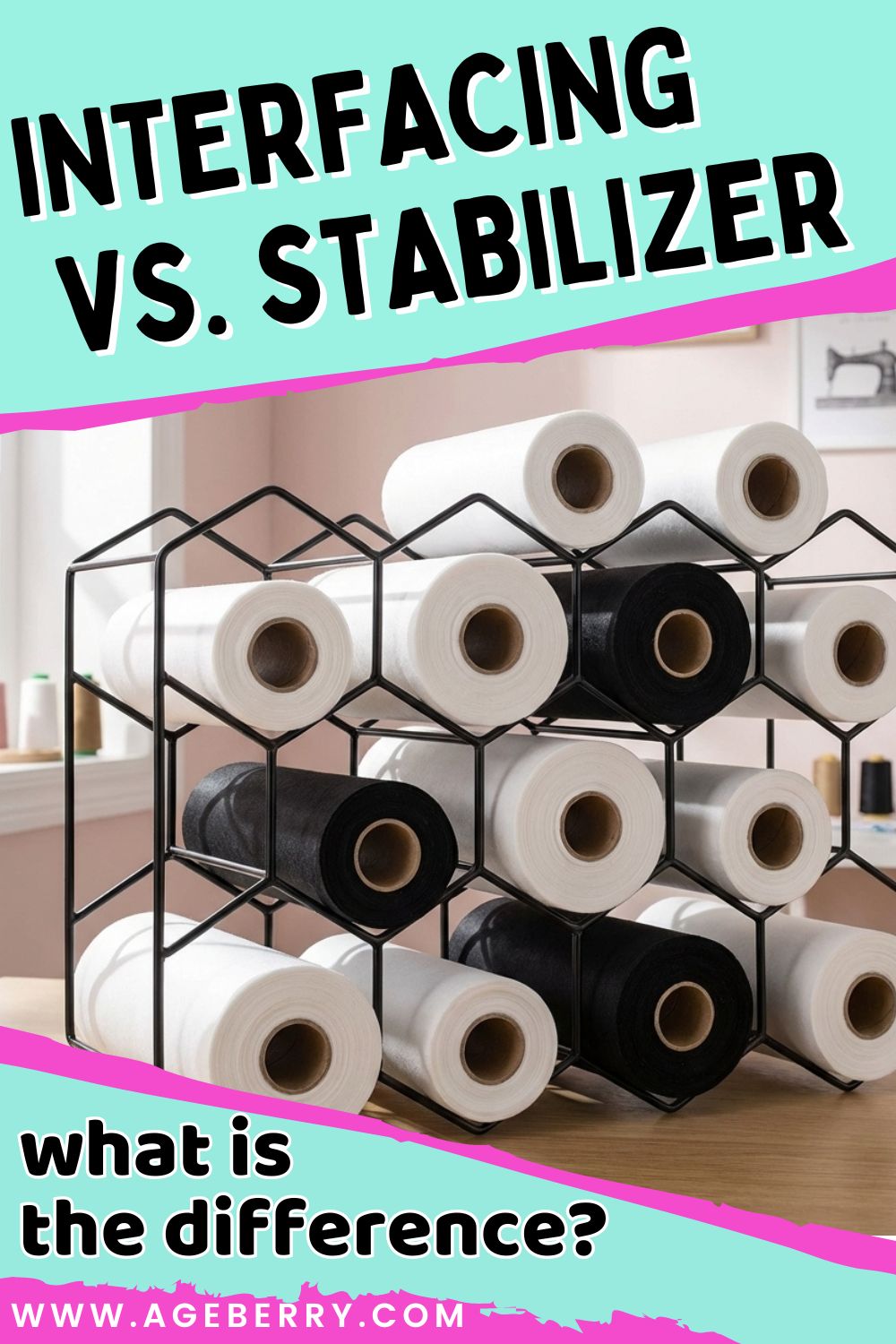
When you scroll through an online fabric store looking for notions, you might see them side by side. The package descriptions sound almost identical. The products look similar too. They’re both thin materials made of fibers bonded together. They both promise to add support to fabric. So what’s the real difference?
I went to Amazon and made this screenshot. It shows an Amazon search result page for the word stabilizer. The rows display large white rolls — but interestingly, not all of them are the same product type.
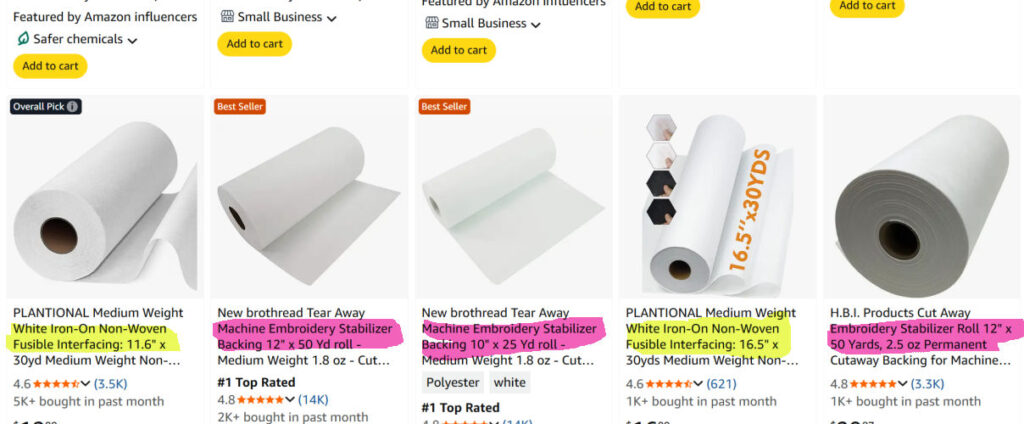
Some listings are clearly labeled as machine embroidery stabilizer. Others, however, are labeled as fusible interfacing.
And they all look identical — long white rolls photographed against plain white backgrounds. The texture and appearance are so similar that it would be easy to assume they’re interchangeable. The product titles and tiny text are the only things distinguishing one from another.
So, the question is – is there a difference?
The honest answer is that the line between them is blurrier than most sewing guides suggest.
At their core, both interfacing and stabilizer do the same essential job: they stabilize fabric. They prevent fabric from stretching, puckering, and distorting. They add body and structure where it’s needed.
The confusion happens because these products live in different sewing contexts, and over time, the sewing industry started using different names for products that serve very similar purposes.
The Traditional Explanation (and Where It Falls Short)
Traditionally, sewing guides tell you that interfacing is permanent and stabilizer is temporary.
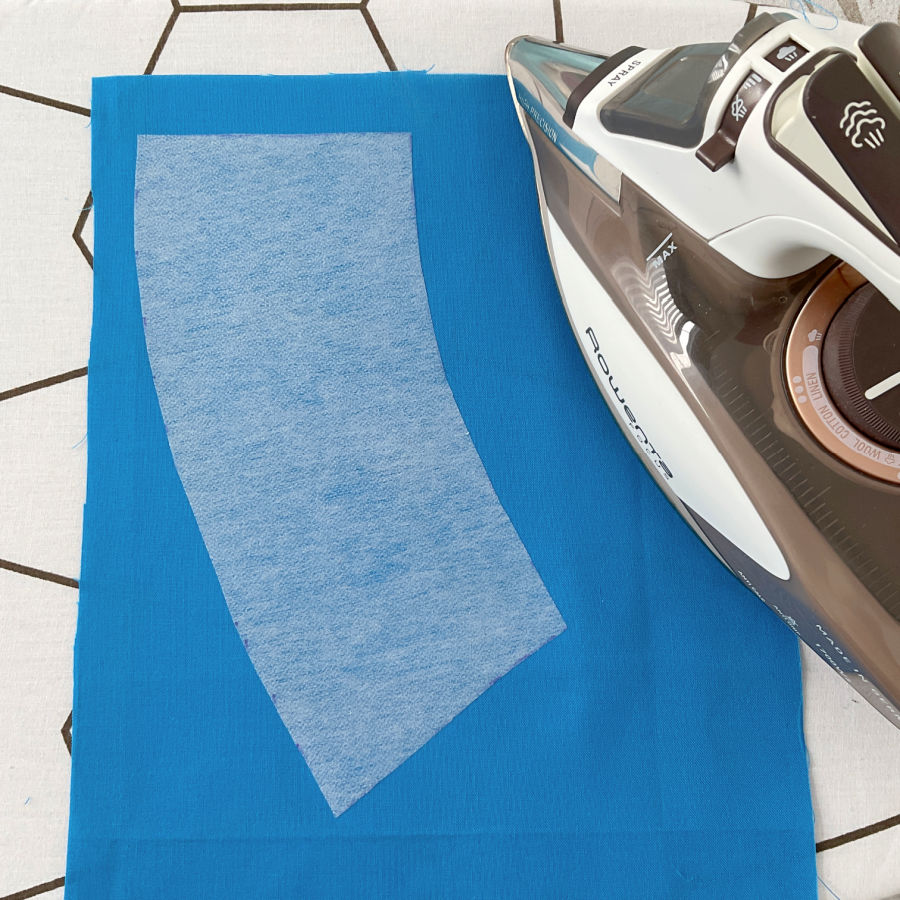
According to this definition, you fuse interfacing to a collar or waistband, and it stays there forever as part of your finished garment.
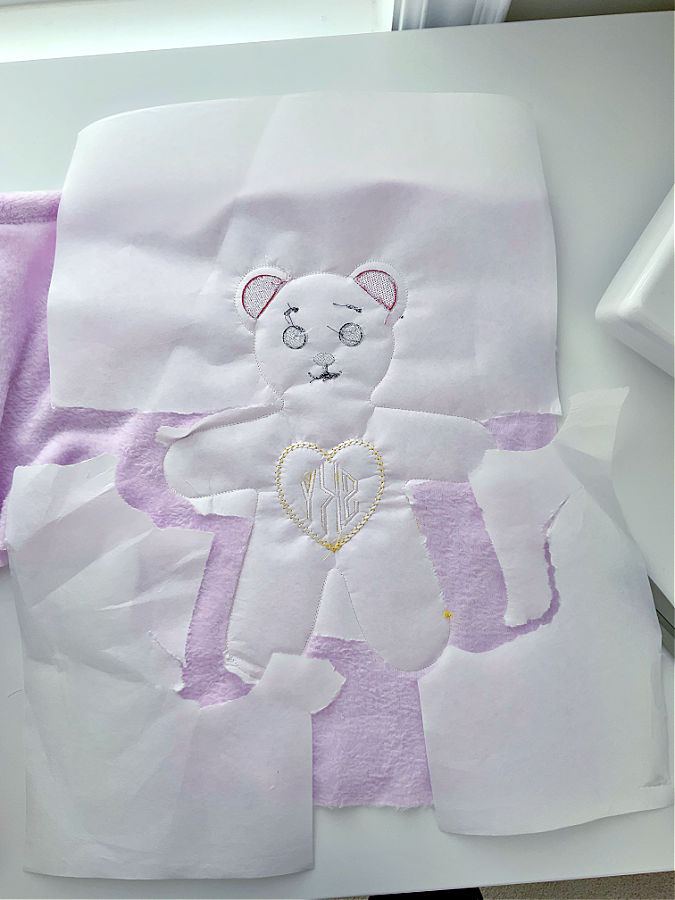
Stabilizer, on the other hand, goes behind your fabric when you machine embroider, and then you tear it away, cut it away, or dissolve it in water after the embroidery is done.
This explanation indeed works for many situations and interfacing is always permanent.
But here’s where it breaks down: some stabilizers also stay in your project permanently. No-show mesh stabilizer, for instance, remains in your finished quilt. Cut-away stabilizer stays in place sometimes after embroidery is complete because it’s covered with fabrics on both sides. In these cases, the stabilizer is not temporary at all.
So the permanent-versus-temporary distinction doesn’t actually hold up as a reliable way to differentiate these two products.
The Real Distinction: Context and Application
The actual difference between interfacing and stabilizer comes down to context and how you apply them. Interfacing traditionally belongs to garment construction and sewing. You apply it before you start assembling your garment. You fuse it with an iron or sew it to the wrong side of your fabric. It’s part of the construction process itself.
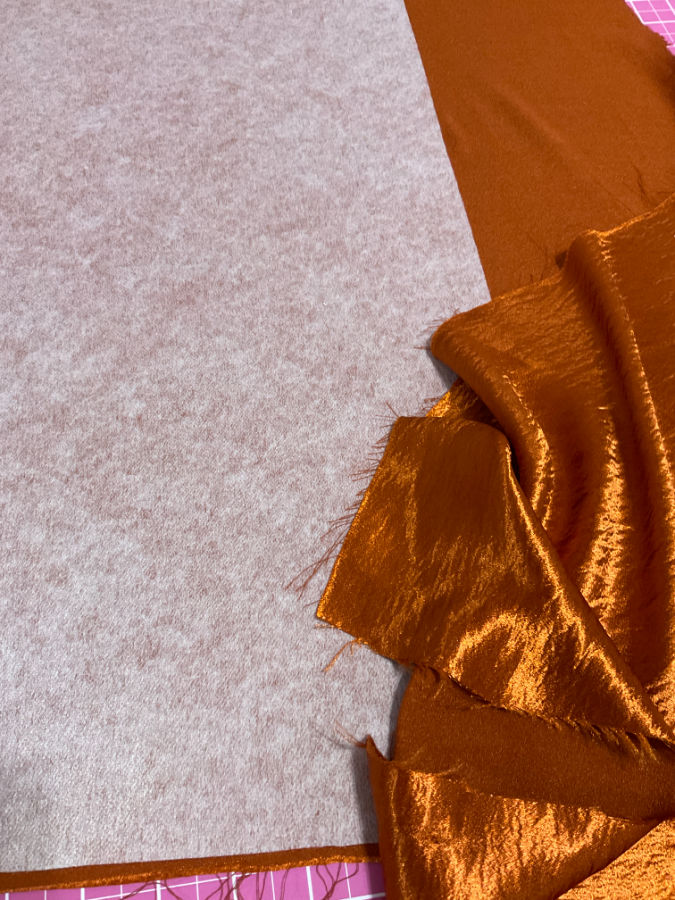
Stabilizer, on the other hand, is associated with machine embroidery and decorative work. You apply it during the embroidery process, usually by hooping it with your fabric. It supports the fabric while the machine creates stitches, and then you remove it afterward (in most cases).
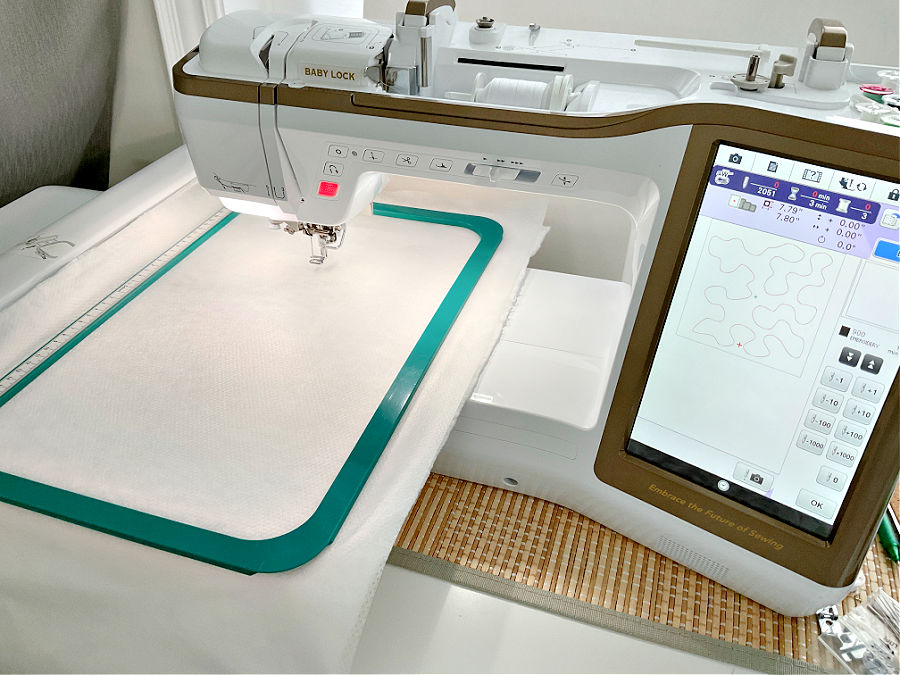
But even this distinction is not absolute. Stabilizer appears in quilting projects. Interfacing appears in embroidered garments. Quilters use stabilizer for machine embroidery on quilts. Garment sewers sometimes use stabilizer for decorative stitching.
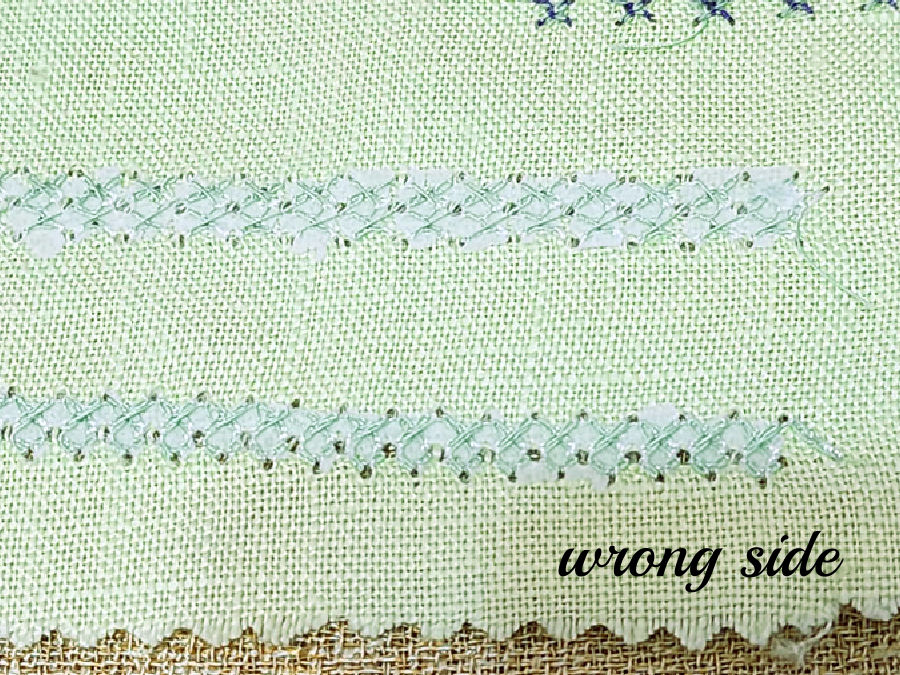
This hemstitching sample (see above) was sewn with a wing needle, and without stabilizer the fabric would simply collapse instead of forming open holes. A wash-away or tear-away stabilizer supports the fabric during stitching, keeps the holes clean and evenly spaced, and prevents distortion. After stitching, the stabilizer is removed, leaving only the decorative effect behind.
The names interfacing and stabilizer reflect tradition more than they reflect actual functional differences. They’re part of the vocabulary that developed in different sewing communities, and those communities didn’t always talk to each other.
Note: Some of the links on this page are affiliate links. This means I will receive a commission if you order a product through one of my links. I only recommend products I believe in and use myself.
Why Both Products Exist
If interfacing and stabilizer do similar things, why do both products exist? The answer lies in the specific needs of different applications and the evolution of sewing as a craft.
Interfacing products were developed for garment makers who needed to add structure to collars, cuffs, waistbands, buttonholes, etc. These products needed to bond permanently to fabric and maintain their properties through washing and wearing. The characteristics that made them good for this purpose—such as fusible adhesives—became standard features of interfacing.

Stabilizer products were developed for embroiderers who needed temporary support during stitching but didn’t want permanent backing on their finished pieces. This led to products designed for easy removal, like tear-away and water-soluble varieties. Over time, embroiderers also created no show mesh stabilizers that usually stay in place.
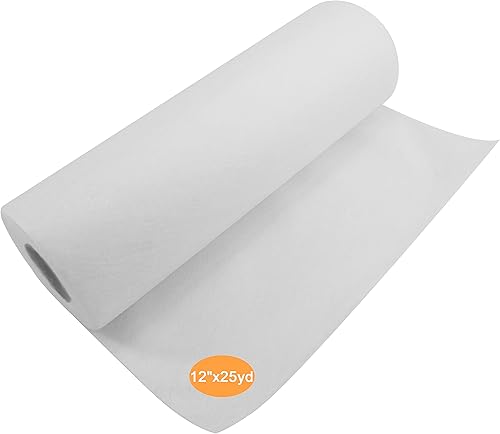

Both types of products exist because they were developed to solve problems in their respective sewing communities. But the fundamental problem they’re solving is the same: fabric needs temporary or permanent support to look its best and hold its shape.
Where Interfacing and Stabilizer Are Identical
The construction and materials of interfacing and stabilizer are often identical. Both are made from fibers bonded together into a thin sheet. Both come in woven and non-woven varieties. Both can have fusible adhesives on one side. Both come in different weights.
Many stabilizers and interfacings from the same manufacturer use the same base material. The difference in naming sometimes comes down to marketing and tradition rather than actual product differences.
A medium-weight fusible woven interfacing and a medium-weight fusible woven stabilizer might be exactly the same product, just packaged and sold under different names depending on how they’re marketed.
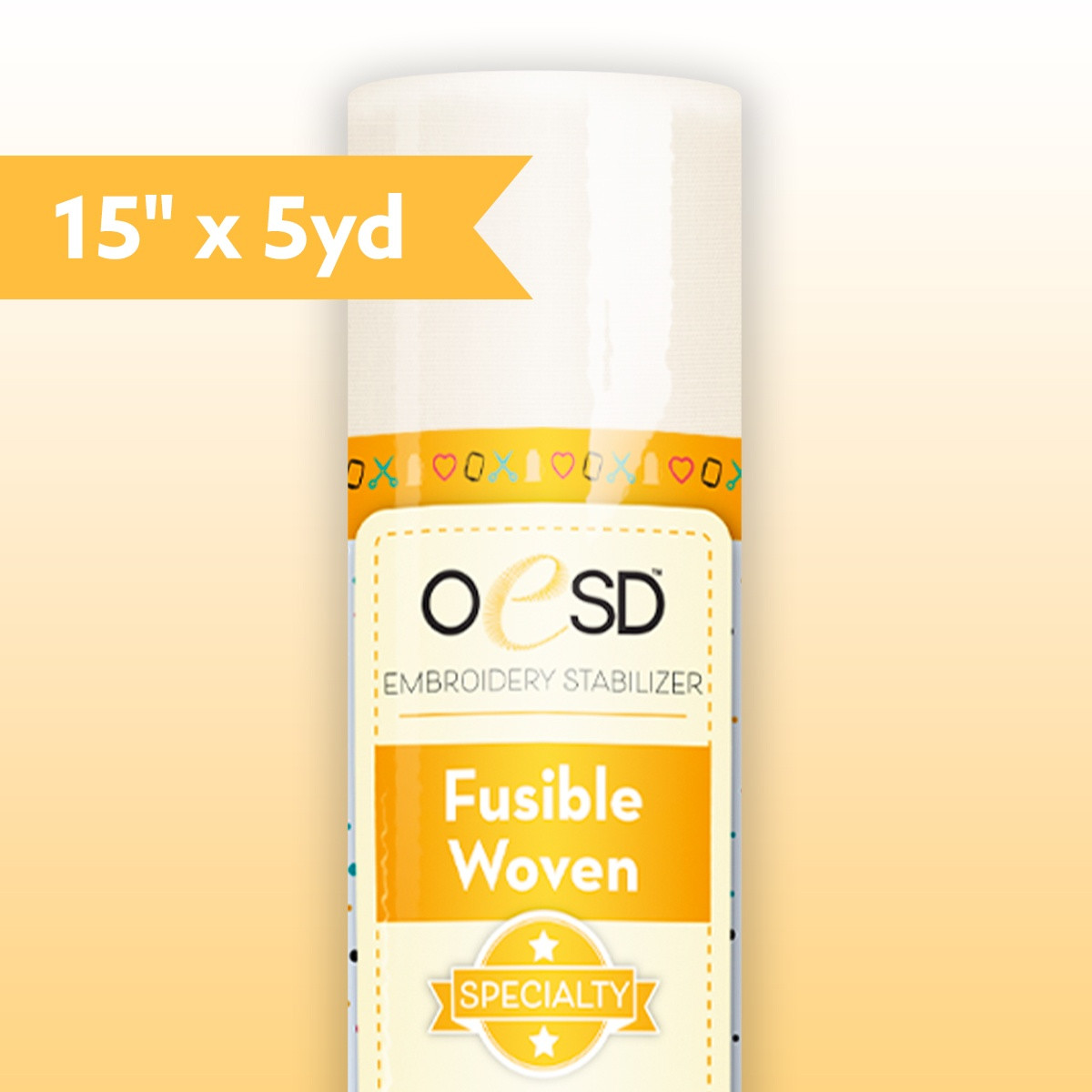
These products are fundamentally doing the same job with the same materials. The names are part of tradition and marketing more than they are descriptions of function.
Where They Differ: Application Method and Purpose
The most consistent difference between interfacing and stabilizer lies in how you apply them and what you expect from them.
Interfacing is typically applied to fabric before you begin sewing your project together. You might fuse it with an iron or sew it down by hand or machine. This early integration into the construction process is standard practice for interfacing.
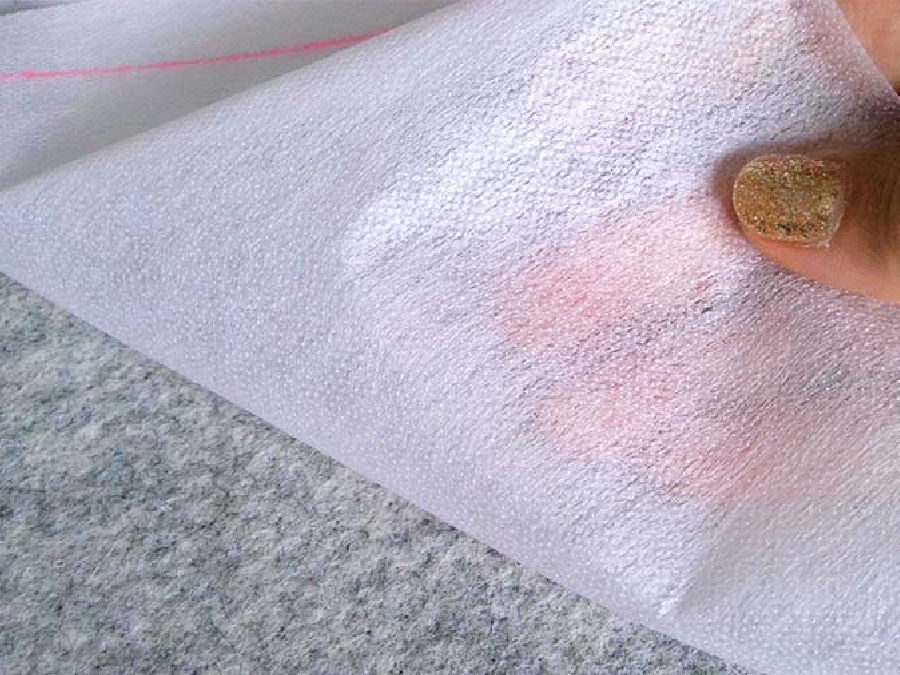
Stabilizer is typically applied to fabric right before embroidery or decorative stitching. In embroidery, you hoop the stabilizer and then hoop your fabric on top of it. The stabilizer and fabric are held together during the embroidery process. After embroidery is complete, you usually remove the stabilizer according to its type.
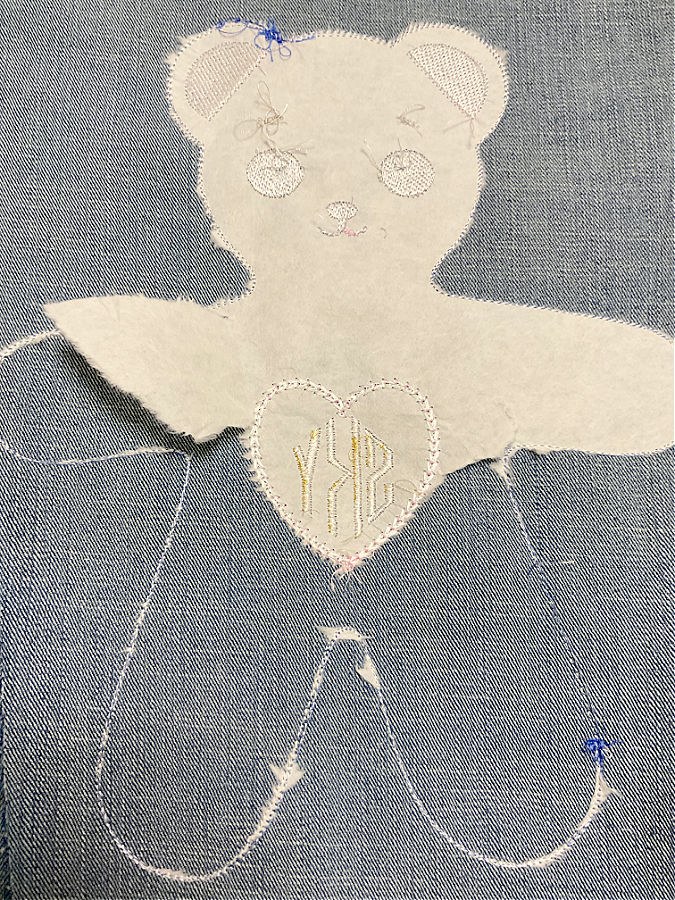
The Gray Area: Products That Blur the Line
Several products on the market blur the line between interfacing and stabilizer so thoroughly that it’s hard to categorize them at all.
Fusible fleece behaves like both. It’s thick and cushioned like some stabilizers, but it’s permanently fused to fabric like traditional interfacing. You might use it in a bag-making project where it needs to stay in the finished product. Or you might use it in a quilting project where it adds loft and stays permanently.


Water-soluble stabilizer can function as temporary interfacing. Some sewers use it to stabilize delicate fabrics during construction, and then wash it away after the garment is made.
No-show mesh, commonly marketed as a stabilizer, remains in the finished project. In this permanent capacity, it functions exactly like interfacing.
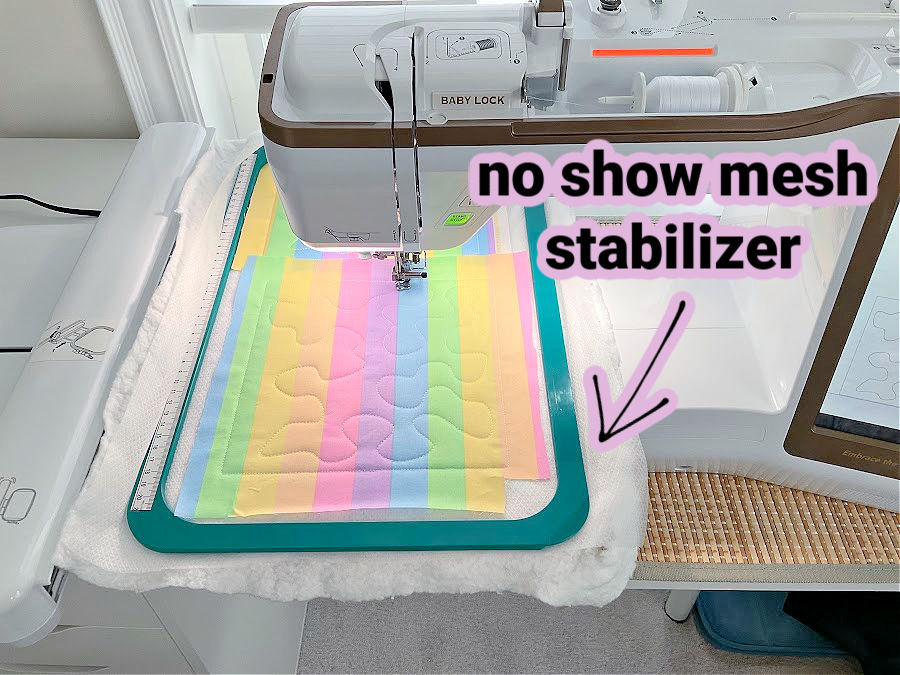
These products demonstrate that the distinction between interfacing and stabilizer is not about function or materials. It’s about where in the sewing timeline you apply them and what you do with them afterward.
The Similarity That Matters Most
The most important similarity between interfacing and stabilizer is this: both prevent fabric from moving during stitching. Both prevent puckering. Both prevent distortion. Both add body and structure where it’s needed.
A lightweight interfacing and a lightweight stabilizer prevent the same problems in their respective contexts. A heavy-weight interfacing and a heavyweight stabilizer support fabric in the same ways. The materials are often identical. The way they prevent fabric problems is identical.
When you strip away the naming conventions and the traditions of different sewing communities, you’re left with this simple truth: interfacing and stabilizer are both ways to add temporary or permanent support to fabric so that it behaves the way you want it to during and after stitching.
What Most Home Sewists Actually Use
There are many types of interfacings – fusible, non-fusible, woven, non-woven, specialty weights, you name it.
But here’s the truth: most home sewists reach for the same product every time. Non-woven fusible interfacing is the workhorse for a reason. It’s affordable, easy to apply, and it works on most projects without fussy requirements. You can cut it in any direction, it doesn’t fray, and you don’t have to match a grainline. That’s why it dominates the sewing room.
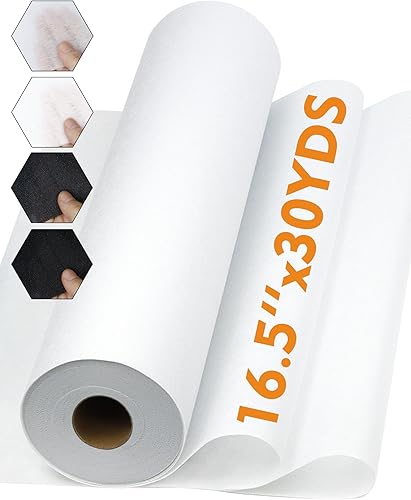

Non-fusible interfacings do exist, and they have genuine uses in tailoring and couture work. But if you’re building a basic sewing toolkit, they’re not a priority. Most home sewists never need them—and that’s perfectly fine.
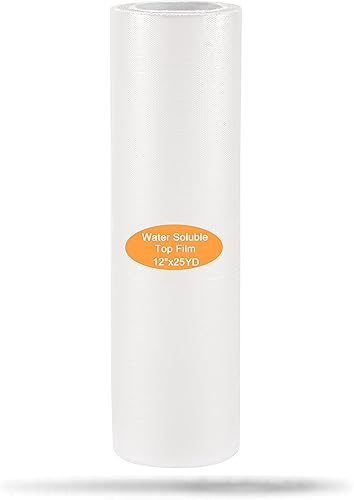
There are also many types of stabilizers. But tear-away, cut-away, and wash-away stabilizers are the core products most sewists use if they do any embroidery work. You’ve likely never used fusible stabilizer (designed specifically for embroidery), and there’s a reason. For the projects most home sewists tackle, the three main types cover nearly everything.

Can I Use Interfacing Instead of Stabilizer?
The short answer is no—not usually. But sometimes the line between the two gets blurry.
When there’s a clear distinction, you need to respect it. Interfacing is made for sewing and stay in your project. Stabilizer is made for machine embroidery. They’re designed with different purposes in mind, and trying to swap them often creates frustration.
If you use stabilizer instead of interfacing for your collar or waistband, the support will deteriorate over time. Your crisp collar goes floppy. Your structured waistband becomes soft and shapeless. You’ve essentially wasted both the stabilizer and the effort.
But some products live in both worlds.
Fusible fleece is one example. It can act like interfacing because it adds permanent structure and body to fabric. You fuse it in place with an iron, and it stays. But it can also be used in machine embroidery projects as stabilizer. So, a product can function as both, depending on how you use it and what your project needs.
If your pattern or project calls for interfacing, use interfacing. If it calls for stabilizer, use stabilizer. The distinction exists because sewists need different solutions for different situations. When you match the product to the purpose, your results improve. When the product itself lives in that gray area—like fusible fleece or some specialty interfacings and stabilizers—you have the freedom to choose how it serves your sewing.
Products Without Exact Counterparts
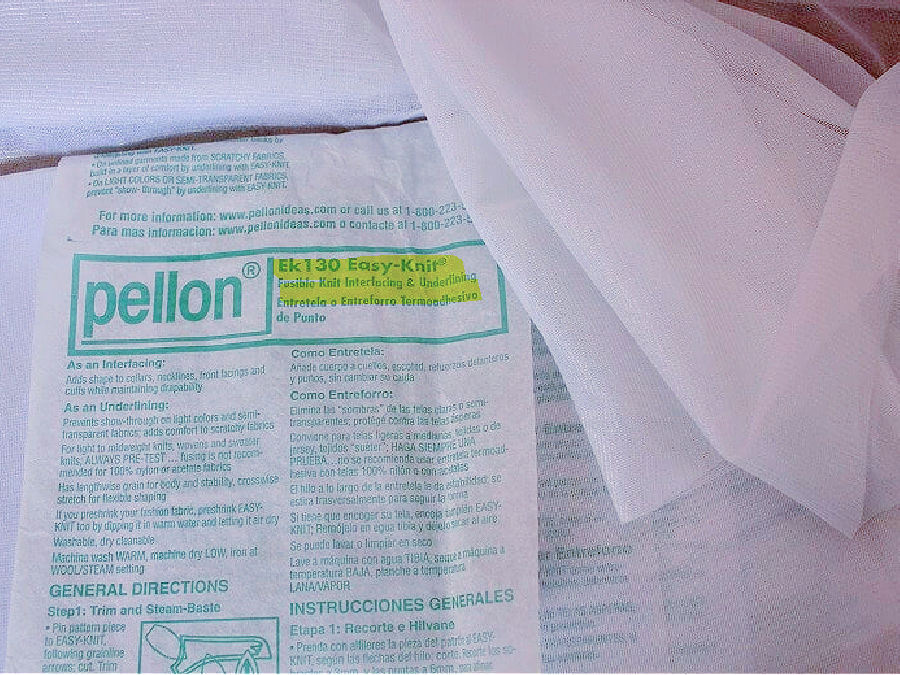
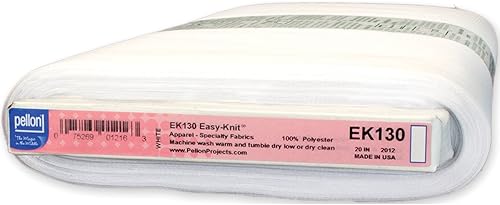
Not everything has a match on both sides of the aisle. Knit interfacing, for example, has built-in stretch to work with stretch fabrics. Nothing in the stabilizer world works quite the same way because stabilizers serve different purposes.
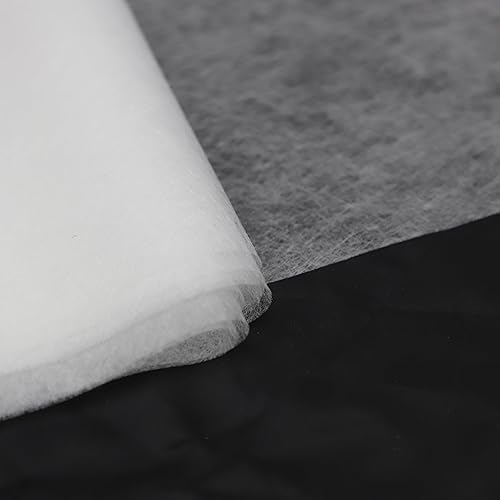
Fusible web is another standalone product. It’s adhesive on both sides, designed primarily for appliqué and attaching one fabric to another. You won’t find a true stabilizer equivalent because stabilizers focus on temporary support during stitching, not permanent fabric bonding.
This is why understanding your actual needs matters more than memorizing every product category.
Practical Takeaway
The distinction between interfacing and stabilizer matters less than understanding what support your specific fabric and project need. If you are doing machine embroidery, you need stabilizer. If your collar needs to stay crisp through washing, you need interfacing. If your quilt needs extra body, you might use either one depending on your project.
The names reflect tradition and marketing more than they reflect actual differences in the products themselves. Understanding the function of each product—adding support, preventing puckering, providing structure—matters far more than whether you call it interfacing or stabilizer.
Both products exist to solve the same fundamental problem in sewing: fabric needs support so that it stays put and looks its best. Sometimes that support needs to be permanent. Sometimes it needs to be temporary. But the support itself is doing the same work in both cases.
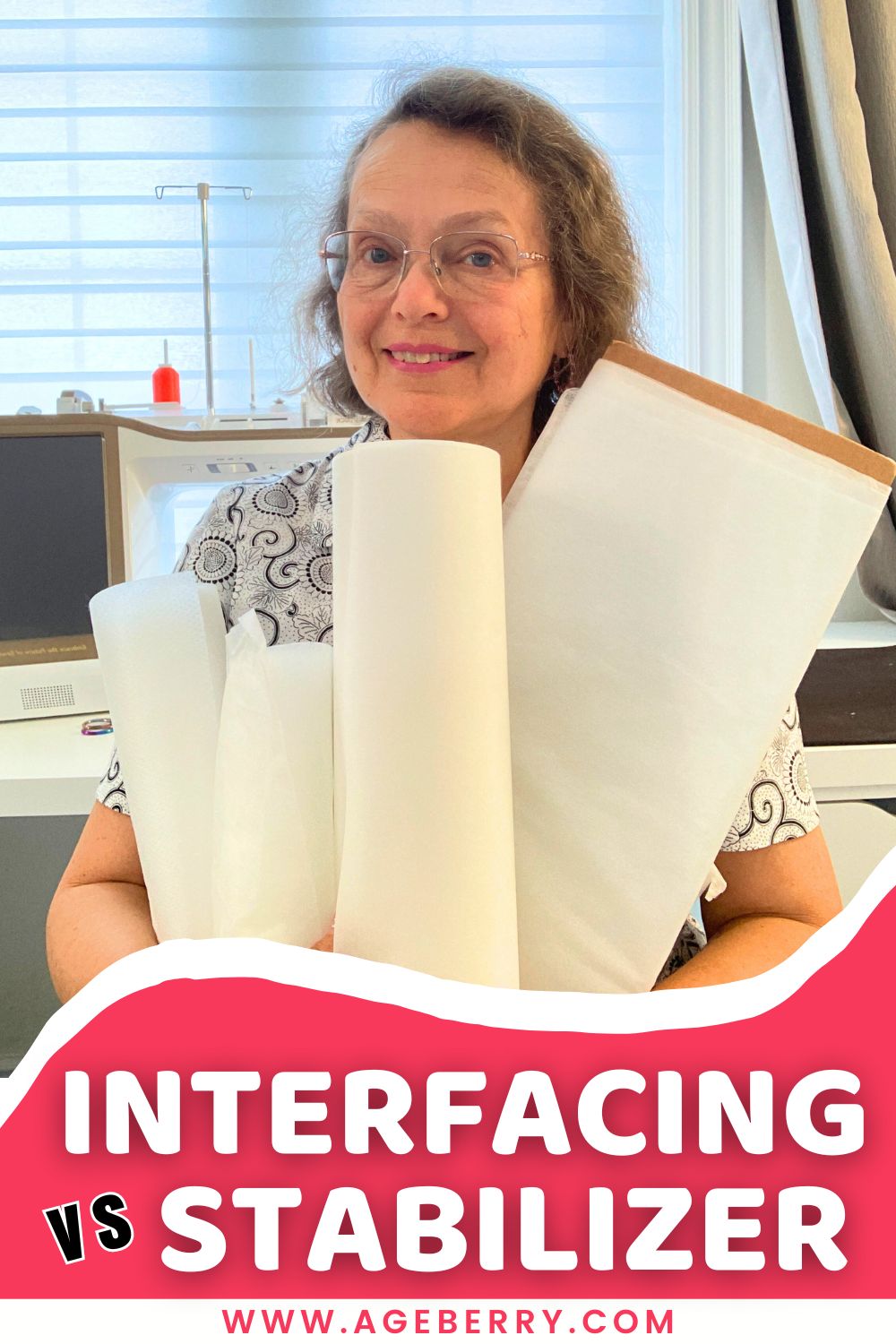
Did this article help explain the differences between interfacing and stabilizer in sewing? If so, save this pin (see below) on your sewing board so you can come to this tutorial later when you need this information, and follow me on Pinterest for more tips, tutorials, and inspiration!

latest posts
- Knit Presser Foot: How It Works, How to Use It, and My Sewing Tests
- How to Sew Neat Mitered Corners at Acute Angles
- Sewing Machine Needle Organization: A Clever System I Tried
- DIY Car Armrest Organizer: Sewing Tutorial
- Easy DIY Potholder Sewing Tutorial: Better Shape, Better Grip, Smart New Design
- How to Buy a Sewing Machine (Even If You Already Have 10)
- 23 Kitchen Items That Belong in Your Sewing Room
- What Is a Sewing Machine Piping Foot And How to Use It
- Fixing Sewing Mistakes: Repair an Accidental Cut in Fabric
As always your articles are interesting and exceptionally informative. Thank you so much, Olga, for taking the time to explain the difference between interfacing and stabilizer.
Thank you; I wrote this because I became frustrated with the lack of a proper description for the materials, what are the differences and similarities. I also wanted to describe in short the various types of interfacing and stabilizer (and there are so many!), subject which, again, is pretty much ignored by most sewing sites.
Thank you Olga. I appreciate your focus on understanding the sewing function over strict definition of the product. When I first began sewing many, many years ago, I only made garments and interfacing was all I ever knew about or used. Now, as I’m returning to sewing again, I find myself more drawn to textile and fiber arts where I find reference to using both, sometimes interchangeably, and found it confusing. Your article helps a lot. As always, thanks for the clarity of your post.
Adria
Thank you! But when I started sewing, the selection of materials was much more limited than it is now. So it’s probably not that you did not know about the choices, it is also that there were not many choices!