The Best Sewing Tools for Slippery Fabric, Bulky Layers, and Stretchy Knits
Some fabrics seem determined to make sewing harder than it needs to be. Slippery silk, stretchy knits, tiny pieces, and bulky seams can turn an ordinary project into a frustrating one. The trouble is not always skill. Very often, the fabric is reacting to the wrong sewing tool – a needle, foot, notion, etc.
This sewing tutorial groups sewing tools by fabric behavior, so it is easier to find what helps with the problem in front of you. If your fabric slides, stretches, bunches, or feels too thick to manage neatly, the right tool can make a clear difference right away.
Sewing Tools for slippery, shifty, slick fabric
Slippery fabric has a special talent for turning a simple seam into a small argument. Silk chiffon drifts. Rayon challis slides out of line. Lining fabric squirms. Vinyl sticks under the presser foot. Velvet creeps, and one layer always seems to think it should arrive first. These fabrics do not all need the same fix, but they do need tools that control movement and reduce drag at the right stage: cutting, pinning, feeding, and seam prep.
Note: Some of the links on this page are affiliate links. This means I will receive a commission if you order a product through one of my links. I only recommend products I believe in and use myself.
#1. Silk pins
Silk pins earn their place because delicate fabric remembers every hole. These pins are fine, sharp, and much kinder to slippery lightweight fabric than thicker pins. They slide into silk, chiffon, rayon, and fine lining fabric with less push, so the layers stay flatter and shift less while you pin.
That matters with slippery fabric, because even a small shove from a thicker pin can nudge the layers out of place before you even reach the machine. If the pins have glass heads, you can press over them without a melted-plastic surprise.


Use silk pins for silk, chiffon, fine lining, and other fabrics that snag or mark easily. They are also helpful when you need to pin close to the seam line without creating a row of noticeable holes.
In my article Types of Sewing Pins and Their Uses: All You Need to Know About Straight Pins for Sewing, I go into more detail about these pins and explain how to choose the right ones for delicate fabrics. But as a rule, I prefer using brand name pins because they are generally better quality; I had in the past pins that rusted or left large holes in delicate materials.
#2. Fork pins
Fork pins look unusual, but that double-prong shape solves a real problem. The two points hold slippery layers more firmly than a single pin, so lining and other slick fabrics are less likely to shift while you sew. They are also very handy at seam lines where matching matters and the fabric would love nothing more than to slide a little to the left the second you stop watching it.
These are especially useful for slippery linings, seam matching, and places where one thin pin never seems to be enough.


#3. Pattern weights
Pattern weights deserve their place before the sewing machine even enters the story. Slippery fabric shifts during cutting, and pins can lift or distort it. Weights keep both the pattern and the fabric flat on the table, which makes accurate cutting much easier and far less twitchy. This is one of those calm, practical tools that saves trouble later, especially with chiffon, bias cuts, and soft rayon.
Pair pattern weights with single-layer cutting when the fabric is especially unruly. That setup takes more table space, but it usually gives better results than folding a slippery fabric and hoping for the best.
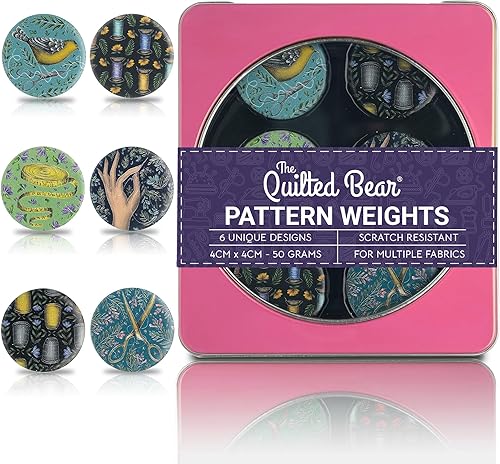

Who said pattern weights can not be beautiful?
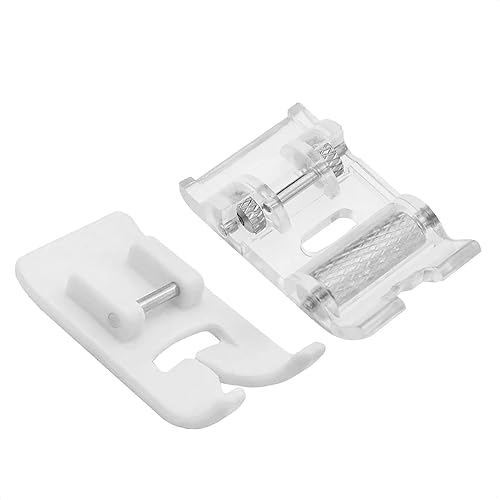
#4. Roller presser foot
A roller presser foot is one of the best tools for fabrics that either stick or slide too much under a regular foot. The tiny roller helps the fabric move more evenly, so the machine has less drag to fight. This makes the foot very useful for vinyl, laminated cotton, leather, velvet, and other surfaces that do not feed well with a universal presser foot.
If the fabric bunches, sticks, or refuses to travel in a smooth line, try the roller foot before you change a dozen machine settings. It often solves the problem faster than a long sewing-machine “detective” story.
On Ageberry, I have a full tutorial on the roller presser foot and how it helps with fabrics that stick, drag, or feed unevenly – Must-Have Presser Foot for Sewing Challenging Fabrics: The Roller Foot.

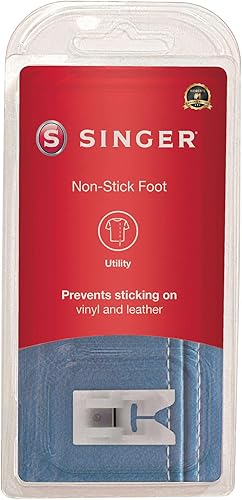
#5. Teflon or nonstick presser foot
A Teflon foot solves a similar problem, but in a different way. Instead of rolling over the fabric, it glides across tacky surfaces with a nonstick base. That makes it very useful for vinyl, oilcloth, faux leather, foam, microfiber, and other materials that cling to a regular foot and refuse to move nicely.
Readers often compare this foot with the roller foot. A simple way to explain the difference is this: the Teflon foot glides, and the roller foot rolls. Both help with drag. Your machine and fabric will decide which one behaves better on a given day, ha-ha.
On Ageberry, my vinyl sewing article explains why a nonstick foot can make a big difference on tacky surfaces – Sewing Vinyl: 17+ Expert Tips For Beginners.

#6. Microtex needles
A Microtex needle has a very slim, sharp point, so it pierces silk, rayon, microfiber, polyester lining, and other fine woven fabrics cleanly instead of pushing them down, dragging them forward, or nudging them out of place.
In my article 19 Types of Sewing Machine Needles and What They’re Used For, I explain where Microtex needles fit into the bigger picture and which fabrics benefit most from them.

#7. Wash-away wonder tape
Wash-away wonder tape holds seams, hems, and zipper areas in place without poking extra holes into delicate fabric. You can sew through it, and it washes away later. That makes it a very handy helper for slippery fabric that slides apart the second you remove your fingers.
This is especially useful for zipper prep, narrow hems, seam placement, and any area where accuracy matters more than patience. It is also nice when the fabric surface does not welcome pin marks.
On Ageberry, I show how Wonder Tape helps hold slippery fabric in place during zipper installation, which is one of the moments when accuracy matters most – Think You Know Zippers? This Installation Guide Might Surprise You.


Slippery fabric usually stops acting wild once you remove the main cause of trouble. Sometimes that means a sharper needle. Sometimes it means thinner pins. Sometimes it means the fabric needs help at the cutting table or under the presser foot. The nice part is that these fixes are simple, and they work far better than wrestling silk chiffon with stubborn optimism alone.
Tools for tiny, fussy, narrow fabric pieces
Tiny fabric pieces have their own style of mischief. They curl, vanish under your fingers, and somehow turn a one-inch tab into a full sewing event. Doll clothes, narrow straps, tiny corners, loops, and miniature patchwork all need tools that give you more control without adding bulk.
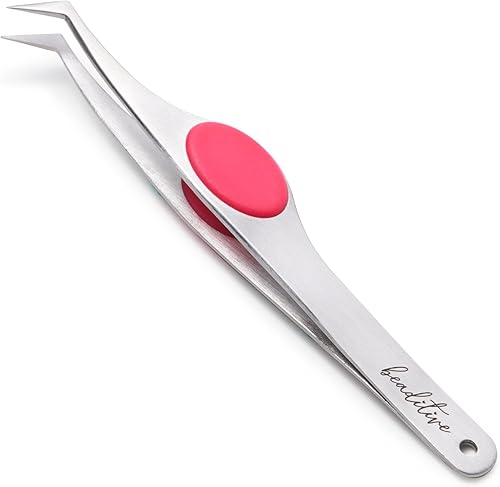
#8. Precision tweezers
Tweezers are one of those quiet little helpers that save your patience on small projects. They help you place tiny pieces, hold short thread tails, and nudge fabric into place when your fingers feel much too large for the job.
I am showing tweezers in use in this tutorial on securing short thread ends, where they help control tiny thread loops without a struggle – Knot a Problem: Easy Ways to Secure Short Thread Ends.
#9. Mini Wonder Clips
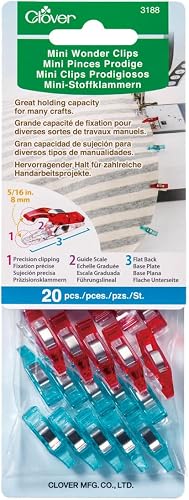
Mini clips are much easier to manage on small projects than standard-size clips. They hold layers securely without the bulk of larger clips, and they do not leave holes in delicate fabric. When you are sewing tiny seams or narrow corners, that smaller size feels much more sensible.
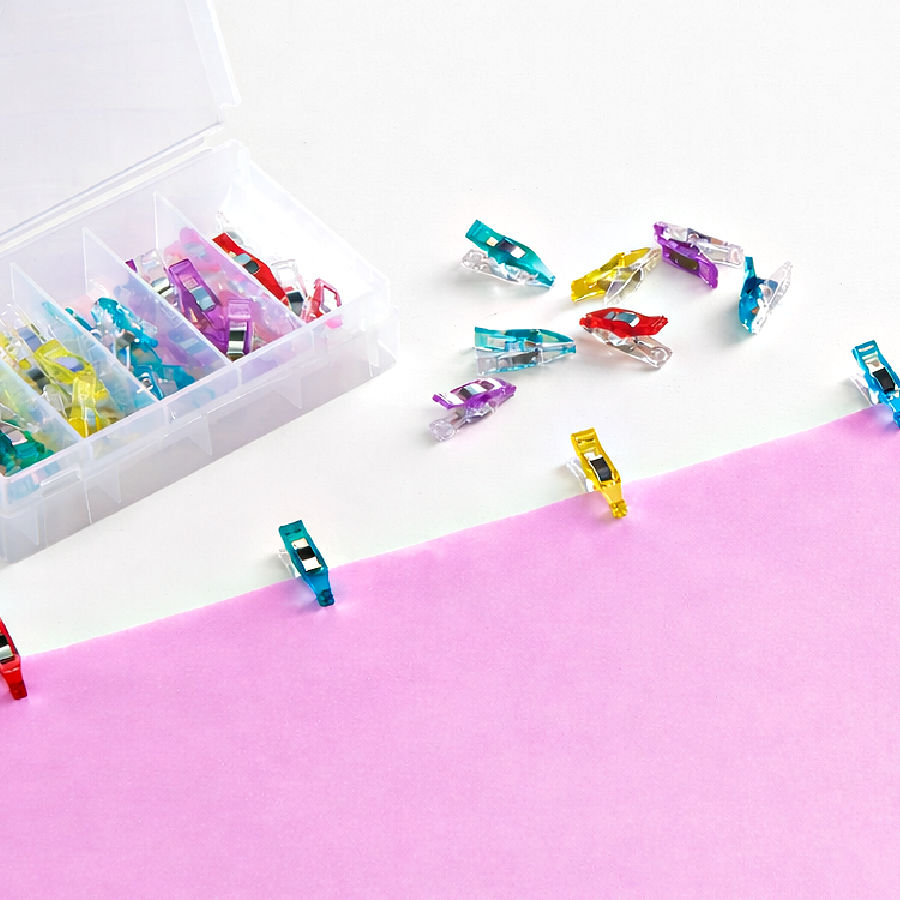
Use these for doll clothes, bookmarks, small pouches, binding ends, and any project where a full-size clip feels like it brought too much luggage.

#10. Mini iron
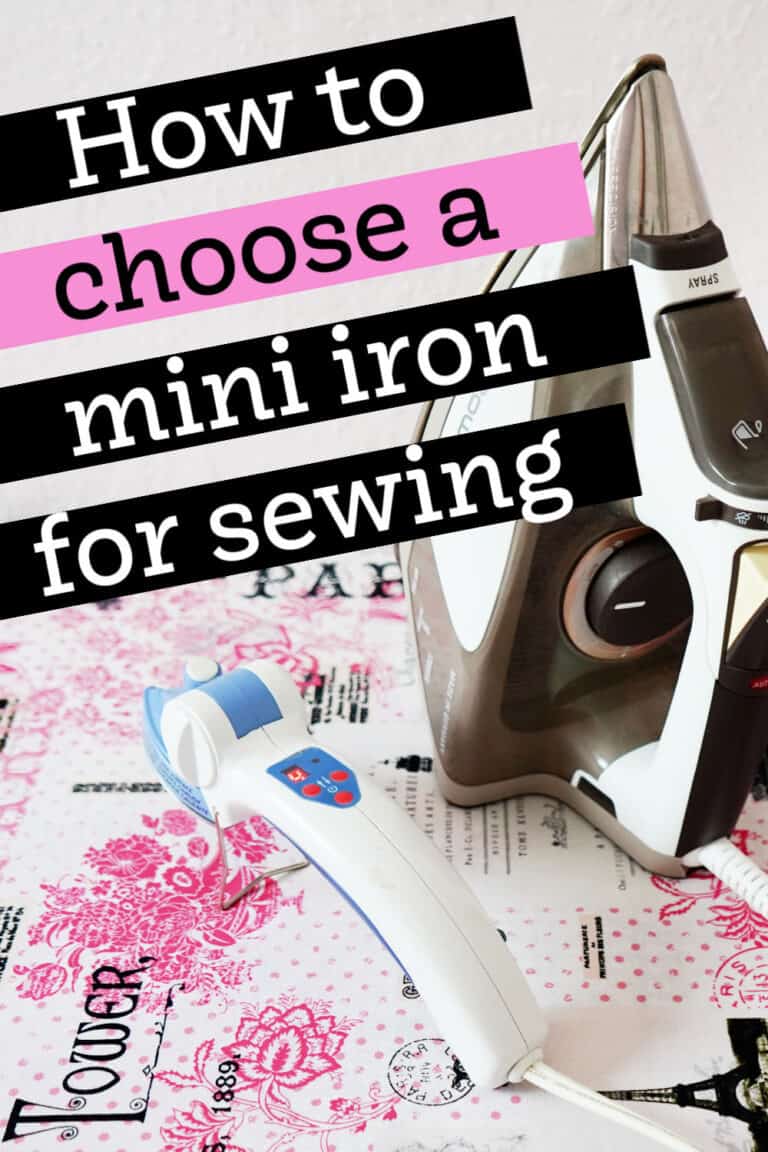
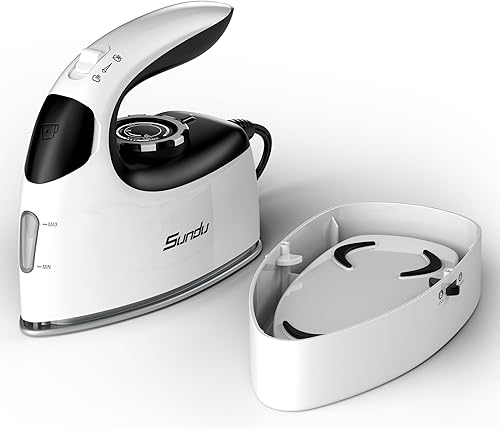
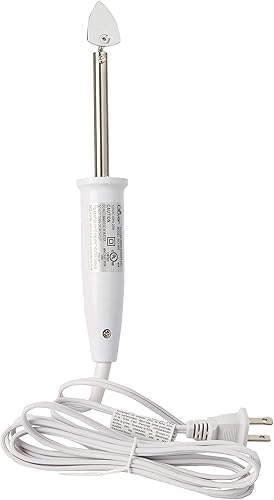
A mini iron is a very handy tool for small pieces because it gives you control without flattening the whole area around the seam. This matters a lot on doll clothes, appliqué, little tabs, and other tight spots where a full-size iron feels like it is trying to park in a flower bed.
Tiny projects still need proper pressing. A small iron makes that easier and more accurate, especially when seam allowances are narrow and details sit close together.
I have a full article on mini irons that explains what they are, where they shine, and which ones are worth a look – Mini Irons For Sewing And Quilting.
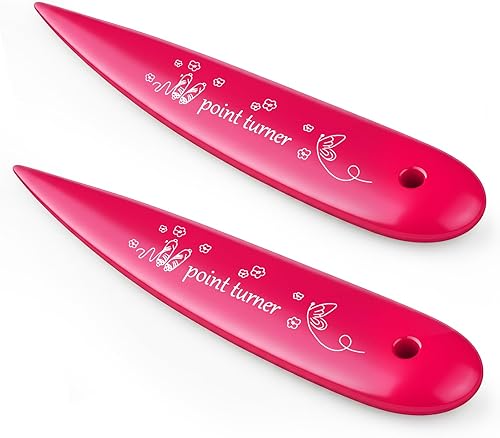
#11. Point turner and seam creaser
A point turner helps push out corners neatly without poking through the fabric. That alone earns it a place in this section. It is great for small ornaments, collars, tabs, and any project with crisp points that need a little help after turning.
Use gentle pressure here. Tiny corners can tear if you get too enthusiastic, and fabric has a long memory when it comes to sharp tools.
I am using a point turner in this small project tutorial, where it helps shape corners cleanly after turning – DIY Cord Keeper Tutorial for Beginners: Fast, Fun, and Totally Useful.

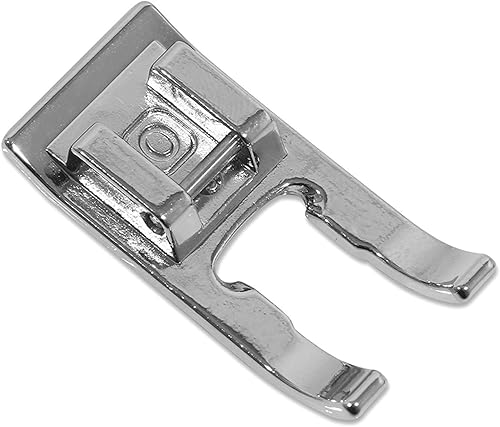
#12. Open-toe presser foot
An open-toe foot gives you a much clearer view of the needle and stitching line. That extra visibility is a big help when the project is tiny and every stitch feels close to the edge. This foot is especially useful for narrow decorative work and projects where you need to see exactly where the needle will land.
This is a very good choice for small patchwork details, miniature projects, narrow edge stitching, and little corners that need precise pivots.
I have a dedicated tutorial on the open-toe foot that shows how the wide-open front improves visibility and control – Presser Foot Guide: How To Use An Open Toe Presser Foot.

#13. Loop turner
A loop turner is made for those skinny fabric tubes that seem harmless until you try to turn them right side out. It works beautifully for straps, spaghetti ties, narrow tubes, and tiny loops. This tool saves time and spares you from the old method of poking and hoping.
This is a tool for doll clothes straps, narrow ties, small bag loops, and any tube too skinny for your fingers to manage.
I included the loop turners in this roundup of useful sewing tools and explain why they earn a place in the sewing room – 17 Fantastic Sewing Tools To Boost Your Creativity. They certainly have a place in my sewing room!


#14. Bodkin
A bodkin is not a medieval torture tool; it is a classic tool for pulling elastic, ribbon, or cord through casings, but it can also help with narrow tubes and other awkward little spaces. It is simple, practical, and much more pleasant than trying to feed elastic through a casing with a safety pin that has decided today is a good day to open.
This is especially useful for waistbands, drawstring channels, narrow casings, and projects with tiny openings that need a firm grip.
I have a full guide that explains what a bodkin is and shows the different jobs it can handle – What is a bodkin and how to use it?


Tools for bulky, thick, layered fabric
Bulky fabric creates a different kind of frustration. The problem is not drift. The problem is thickness. Denim hems, canvas seams, quilt layers, coat fabric, bag straps, and heavy intersections can all make the machine hesitate. This group of tools helps you hold thick layers, sew over seam hills, and press bulky areas into better behavior.
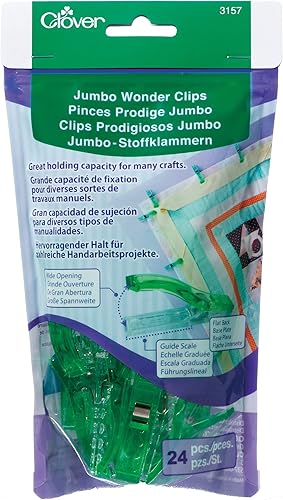
#15. Jumbo Wonder Clips
Jumbo clips are helpful when regular pins cannot cope with the thickness of the fabric stack. They open wider, hold several layers securely, and do not punch holes into material that would rather not be stabbed. They are useful on denim, bags, fleece, vinyl, and quilted layers.
These are very useful for bag making, quilt binding, thick hems, and any project where the layers feel substantial before you even reach the machine.

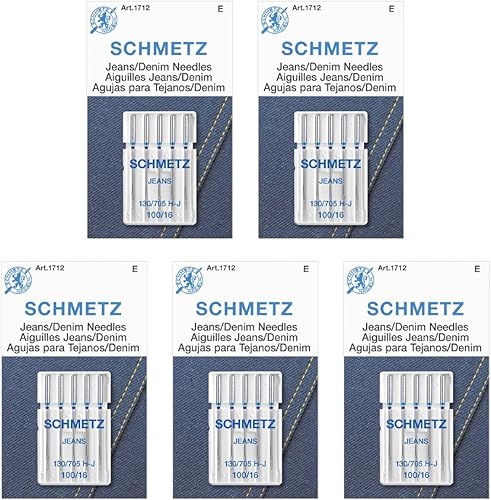
#16. Jeans or denim needles
Heavy fabrics need a stronger needle. Jeans needles are made for dense woven fabrics like denim and canvas, and they help reduce breakage, deflection, and skipped stitches on thick seams. This is one of those fixes that looks small but can change the whole experience.
If your machine sounds annoyed and your stitches look uneven on denim, this is one of the first things to check. The right needle often solves trouble much faster than an hour of muttering.
In my article 19 Types of Sewing Machine Needles and What They’re Used For I break down sewing machine needle types and explain how to match the needle to the fabric instead of guessing.

#17. Walking foot
A walking foot helps feed thick layers more evenly because it moves the top layer along with the lower layer. That makes it a strong choice for quilting, heavy seams, bag fabrics, and projects where one layer likes to creep ahead of the other.


This is a very useful tool for quilt sandwiches, multiple layers of cotton, fleece-backed projects, and seams that tend to shift because of thickness.
Because it is such a useful tool, I have both an introduction to the walking foot and a practical tutorial on how to use it well:
#18. Hump jumper / Jean-a-ma-jig / bulky seam aid
This small tool is made for one very specific headache: sewing over thick seam intersections without losing stitch quality. It levels the presser foot as you climb over a bulky seam, which helps the machine keep feeding smoothly. That means fewer skipped stitches and less foot wobble on denim hems and heavy topstitching.

This is especially useful on jeans hems, belt loops, bag seams, and any place where the fabric suddenly doubles or triples in thickness.
Did I use this? Of course! I show this tool in action in my jeans hemming tutorial, and I also mention it in my topstitching tips because it helps keep the foot level over bulky seams.
- How to Easily Hem Jeans at Home: A Step-by-Step Tutorial
- 17 Topstitching Tips Every Beginner Should Know
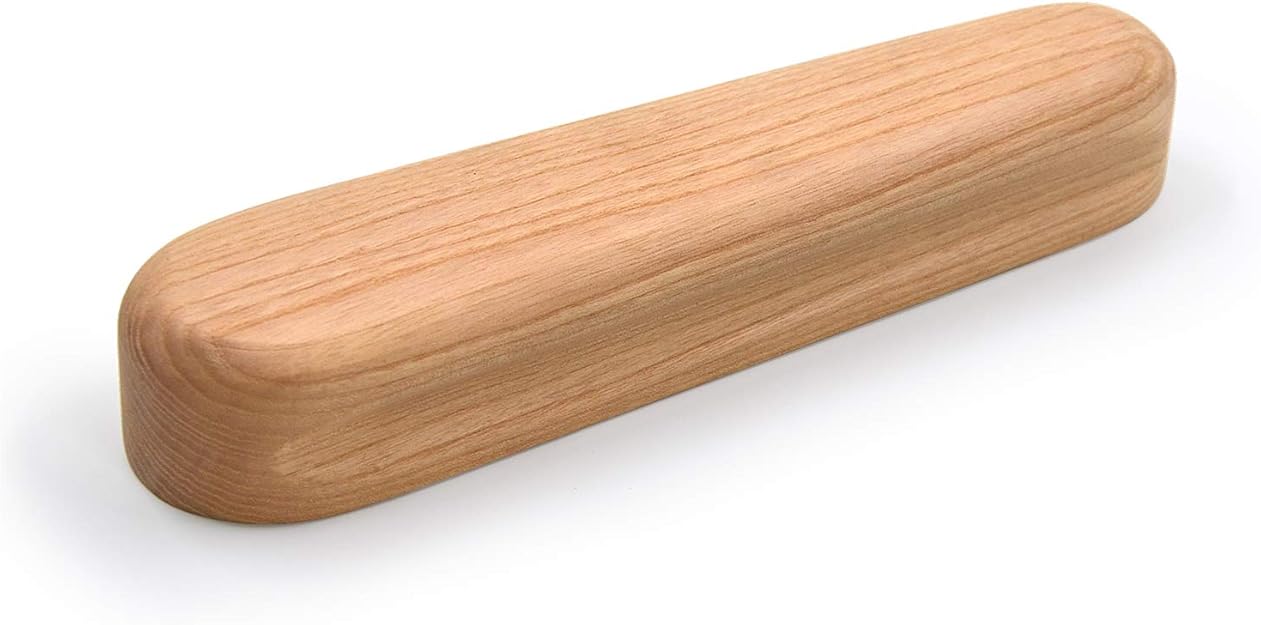
#19. Tailor’s clapper
A tailor’s clapper helps flatten thick seams after pressing by holding heat and steam in the fabric just long enough to set the shape. It is especially useful on wool, denim, and other fabrics that keep a bit of puff in the seam after the iron leaves. This tool does not look dramatic, but it does very helpful quiet work.
Use it after steam pressing bulky seams or hems that need to lie flatter than they seem willing to. It is a pressing tool, but it often feels like a peace treaty.
I share more about tailor’s clappers in my article I Switched to Wooden Sewing Tools: Are They Worth It?, where I talk about how these wooden tools work in real sewing projects.

#20. Tailor’s ham
A tailor’s ham is essential for pressing curves and shaped areas without flattening them. It is especially helpful on darts, princess seams, sleeve caps, collars, and curved seams in thicker fabrics. Bulky fabric often needs shape, not just pressure, and this tool gives you a curved surface that matches the job.
This is one of those old-fashioned sewing tools that stays useful because curved seams still exist and still refuse to press nicely on a flat board.
I have a separate tutorial that shows how to make a tailor’s ham – How to make a tailor’s ham. But if you want to buy one, either of the below links will do.


Tools for stretchy fabric
Stretch fabric seems so friendly until it starts tunneling, waving, and bouncing out of shape. Knits need support in all the right places, plus tools that work with stretch instead of fighting it. The right choices here can make the difference between a neat knit garment and a hem that looks like it had a difficult afternoon.
#21. Stretch needles
Stretch needles are designed for highly elastic fabrics such as spandex, Lycra, swimwear knits, and very stretchy jersey. They help prevent skipped stitches and are often the best fix when a regular needle keeps missing loops in the fabric.
Use a stretch needle when the fabric has strong recovery and a lot of elasticity. If stitches skip on spandex or athletic knits, this is a very smart first change.
I have a complete guide to stretch needles that explains when to use them and how they differ from other needles – The Ultimate Guide to Stretch Needles

#22. Ballpoint or jersey needles
Ballpoint needles have a rounded tip that slips between knit loops instead of piercing them like a sharp needle. That helps prevent runs, snags, and damage in regular knit fabrics such as jersey and interlock. They are the standard choice for many everyday knits.
If the knit is not extremely elastic, a jersey needle is often the better first choice. Think t-shirts, lightweight jersey dresses, and simple knit tops.

#23. Knit stay tape
Knit stay tape helps stabilize areas that need shape but still need some flexibility. Shoulder seams, necklines, armholes, zippers, and hems all benefit from that extra support.
It is especially useful in shoulder seams and necklines, which can grow sadly if left to their own devices.
I have written a full tutorial that explains what knit stay tape is, where to apply it, and why it makes such a difference – Knit Stay Tape | Why And How To Use It

#24. Twin needle
A twin needle is one of the easiest ways to sew a stretchy hem on a regular sewing machine. It creates two rows of stitching on the right side and a zigzag effect underneath, which allows the hem to stretch. It is a practical tool for knit hems when you do not own a coverstitch machine.

This is a strong choice for t-shirt hems, sleeve hems, and knit necklines. Use a stretch twin needle for knit fabric, and test on scraps first so the hem does not surprise you later.
I have one article devoted to twin needles and another article that shows how to use one specifically for hemming knit fabric.
#25. Coverstitch machine
A coverstitch machine is built for knit hems and stretchy seams. It gives that familiar ready-to-wear finish on hems and helps create neat, flexible edges on garments made from knit fabric. It is a specialty machine (and it’s not cheap), but for people who sew a lot of knits, it earns its keep.


Beware – both machines listed above are coverstitch machines only; they look like a serger (overlocker), but they do not perform the overlock functions. Machines that are a combination of the two (serger/coverstitch) do exists but they are much more expensive. An example is the excellent Bernette B68 Airlock Serger.
If you would like to read more about coverstitch machines my article Coverstitch vs. Serger deals with this.
I have a separate tutorial that walks through hemming on a coverstitch machine – How To Hem On A Coverstitch Machine.
I have used every tool in this article at some point, and I included them because each one solves a real sewing problem. If you found this post helpful, save the pin below to your sewing board so it is easy to find later, and follow me on Pinterest for more sewing tips, tutorials, and ideas.

latest posts
- Knit Presser Foot: How It Works, How to Use It, and My Sewing Tests
- How to Sew Neat Mitered Corners at Acute Angles
- Sewing Machine Needle Organization: A Clever System I Tried
- DIY Car Armrest Organizer: Sewing Tutorial
- Easy DIY Potholder Sewing Tutorial: Better Shape, Better Grip, Smart New Design
- How to Buy a Sewing Machine (Even If You Already Have 10)
- 23 Kitchen Items That Belong in Your Sewing Room
- What Is a Sewing Machine Piping Foot And How to Use It
- Fixing Sewing Mistakes: Repair an Accidental Cut in Fabric